
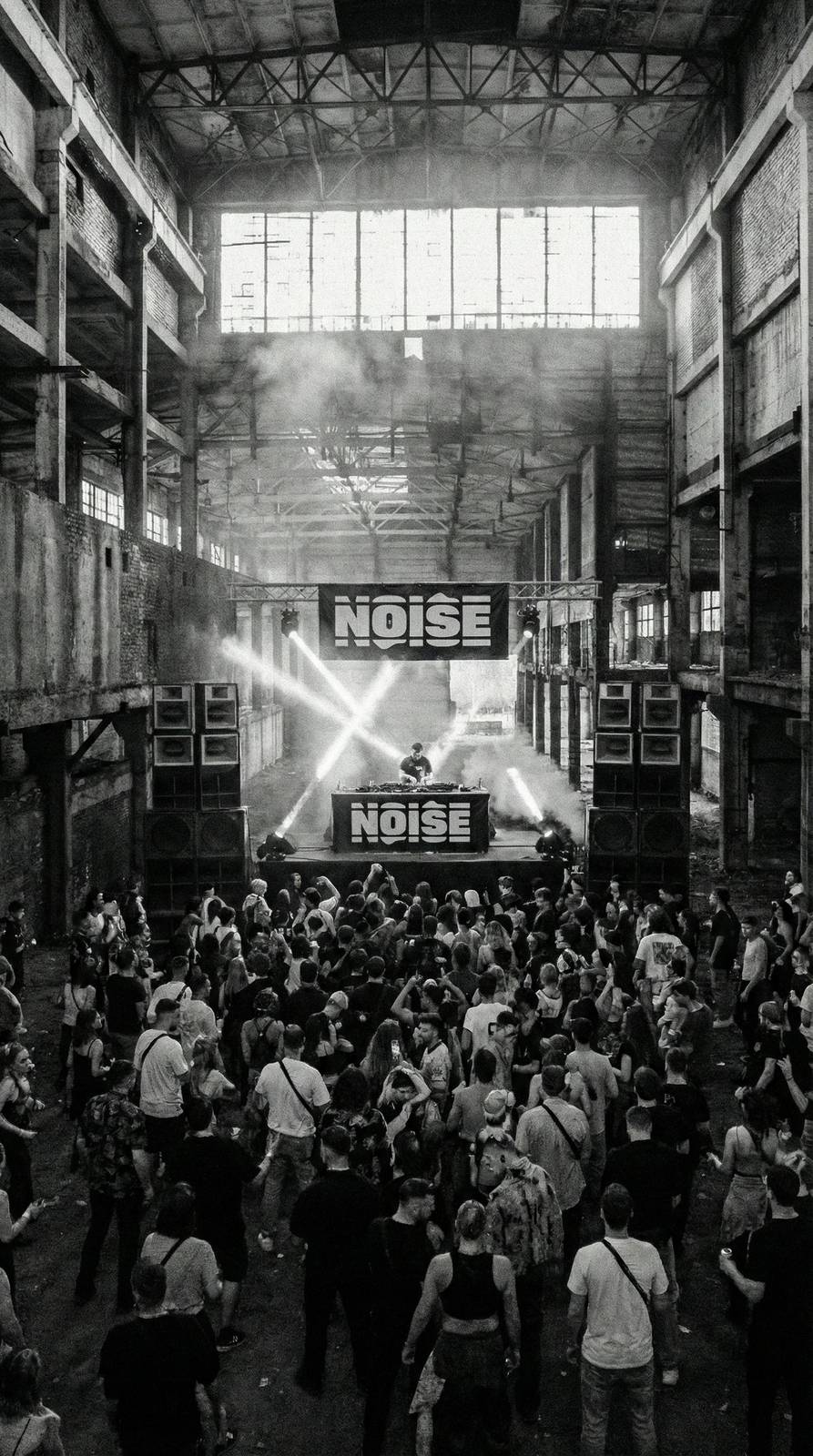

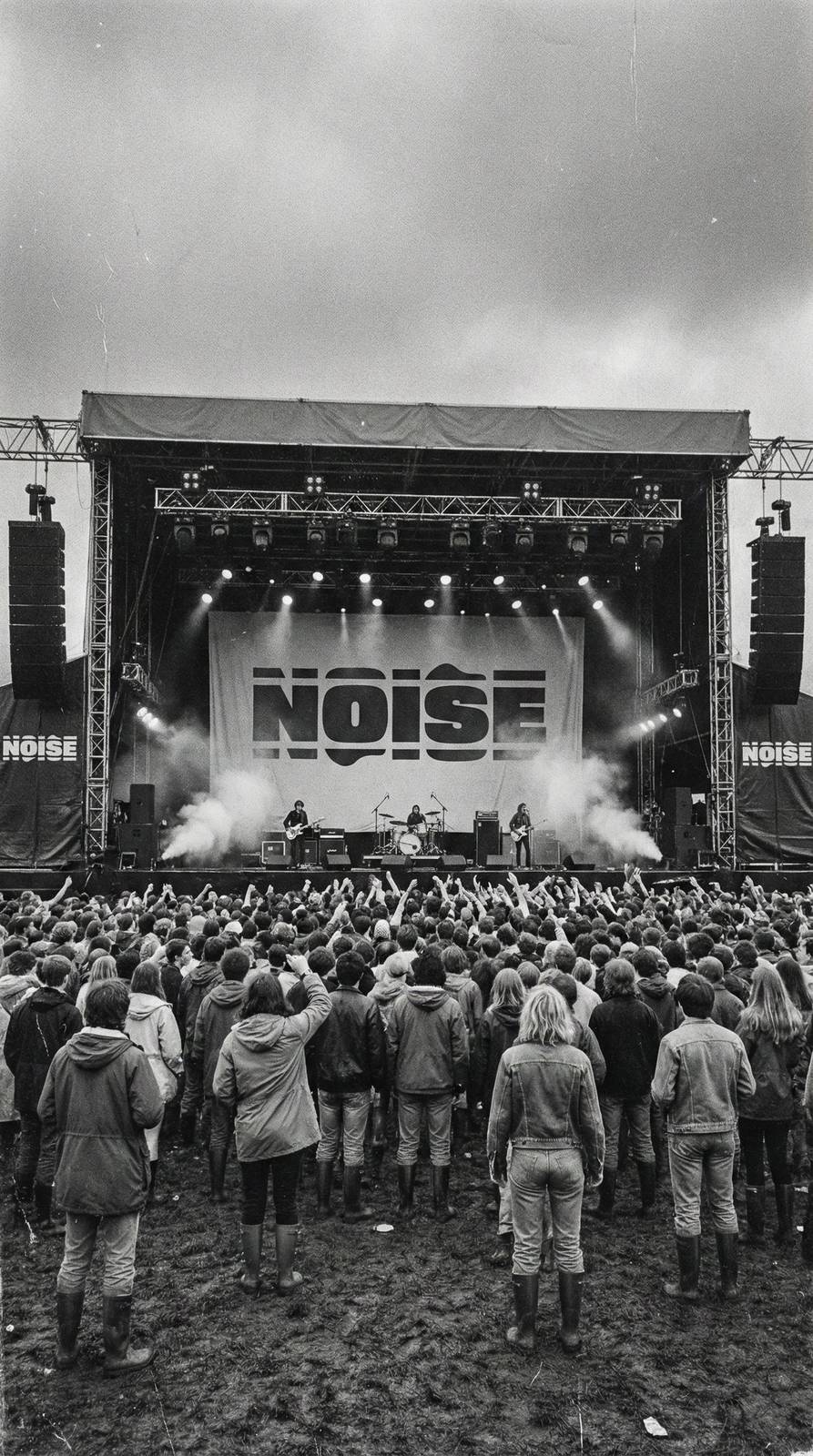
From Bristol's bass scene to Glasgow's guitar underground, these are the UK artists about to break through. Get in early — your future favourite is on this list.
TL;DR
We've dug through demo submissions, SoundCloud depths, and sweaty venue gig listings to find 10 UK artists on the verge. From experimental electronic to raw punk poetry, these acts represent the breadth and brilliance of the UK underground in 2025.
Electronic and Bass Music
The UK's electronic underground is thriving in the spaces between genres. Producers are blending UK garage, jungle, ambient, and grime into hybrid sounds that defy easy categorisation but hit with unmistakable energy. The common thread is a commitment to pushing boundaries while respecting the lineage of UK dance music.
What makes these artists exciting isn't just the music — it's the ecosystem. They're running club nights, building communities on Discord, pressing limited vinyl runs, and creating entire micro-scenes around their sound. This is grassroots music culture at its most vital, operating entirely outside the major label system and thriving because of it.
The production quality coming from bedrooms and home studios rivals anything from commercial facilities. With affordable gear, free plugins, and sharing knowledge through online communities, the technical barriers to entry have evaporated. What remains is the barrier that matters: having something genuine to say.
Guitar Music and Indie
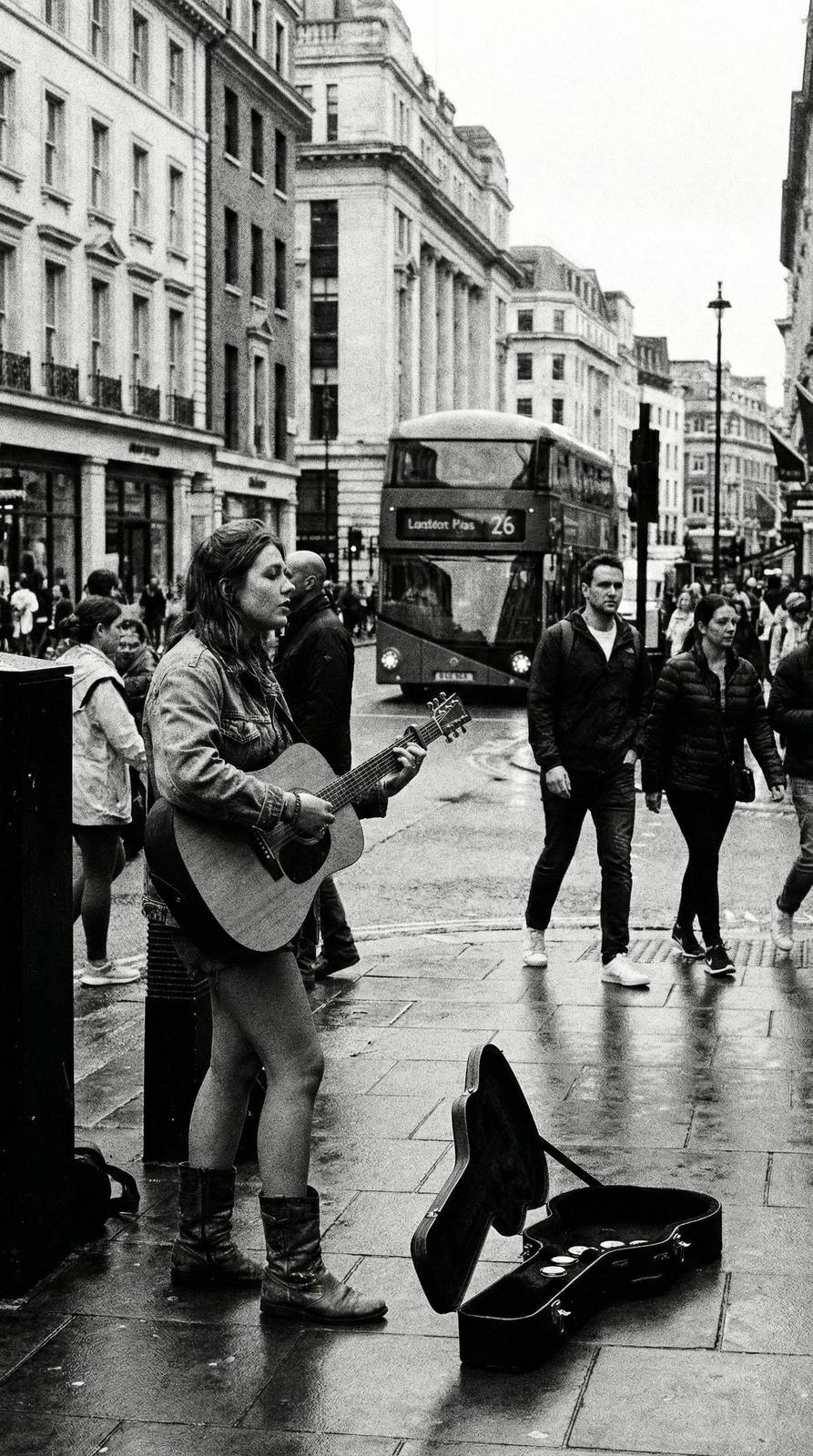
Reports of guitar music's death have been wildly exaggerated. Across the UK, a new generation of guitar bands are making music that's urgent, angry, and relevant. Post-punk, noise rock, shoegaze revival, and unclassifiable guitar experimentalism are all flourishing in live venues from Glasgow to Brighton.
What separates this wave from previous guitar music revivals is diversity. The new UK guitar scene includes artists from backgrounds that previous waves excluded — women, people of colour, queer artists, and working-class voices that bring perspectives the guitar scene has historically lacked. This diversity makes the music richer, more varied, and more reflective of the actual UK.
The DIY infrastructure supporting guitar music has adapted too. Independent labels, DIY promoters, zine makers, and community radio stations form a support network that helps artists develop without corporate involvement. This infrastructure is fragile — dependent on volunteers, passion, and minimal funding — but it produces music with an authenticity that major label operations struggle to replicate.
Hip-Hop, Grime, and Spoken Word
UK rap continues to evolve beyond the mainstream's perception. Beyond the chart-topping drill and commercial grime that dominate media coverage, a rich underground of lyricists, producers, and spoken word artists is exploring the full range of what words over beats can achieve.
Poetry-influenced hip-hop is having a moment, with artists bridging the gap between the spoken word scene and the rap world. These artists treat lyrics as literature — dense, allusive, emotionally complex — while maintaining the rhythmic intensity and production polish that makes the music hit physically. The result is hip-hop that rewards repeat listening with new discoveries.
Regional UK rap scenes have their own distinct identities. Manchester's scene sounds different from London's, which sounds different from Birmingham's, which sounds different from Bristol's. This regional diversity is one of UK rap's greatest strengths — there's no single sound, no monolithic genre, just a spectrum of voices and perspectives united by skill and ambition.
Folk, Acoustic, and Experimental
The UK folk scene is undergoing a quiet revolution. Young artists are drawing on traditional folk forms but filtering them through contemporary production, electronic textures, and genre-blending instincts. The result is music that sounds ancient and futuristic simultaneously — rooted in landscape and community but relevant to modern life.
Experimental music in the UK has always been a niche, but it's a niche with outsized cultural influence. The artists working at the boundaries of genre — combining field recordings with synthesis, merging classical composition with noise, creating ambient soundscapes from processed vocals — produce work that slowly filters into mainstream music over time.
What connects these diverse artists is intentionality. They've each made deliberate choices about their sound, their image, and their values. They're not chasing trends or optimising for algorithms — they're making the music they need to make. And in a world of algorithmically smoothed, commercially optimised content, that uncompromising artistic vision is the most valuable thing any artist can possess.
How to Actually Support Underground Artists
Discovering these artists is step one. Supporting them is what matters. Buy their music on Bandcamp, where they receive the highest percentage of revenue. Go to their gigs and bring friends. Share their music on social media with genuine enthusiasm. Follow them on Spotify and save their tracks — algorithmic engagement from real fans is more valuable than passive playlist streams.
Support the infrastructure that supports them: the grassroots venues they play, the independent labels that release their music, the zines that cover them, the community radio stations that playlist them. This ecosystem is interconnected — when a venue closes, the artists who played there lose a platform, and the community that gathered there disperses.
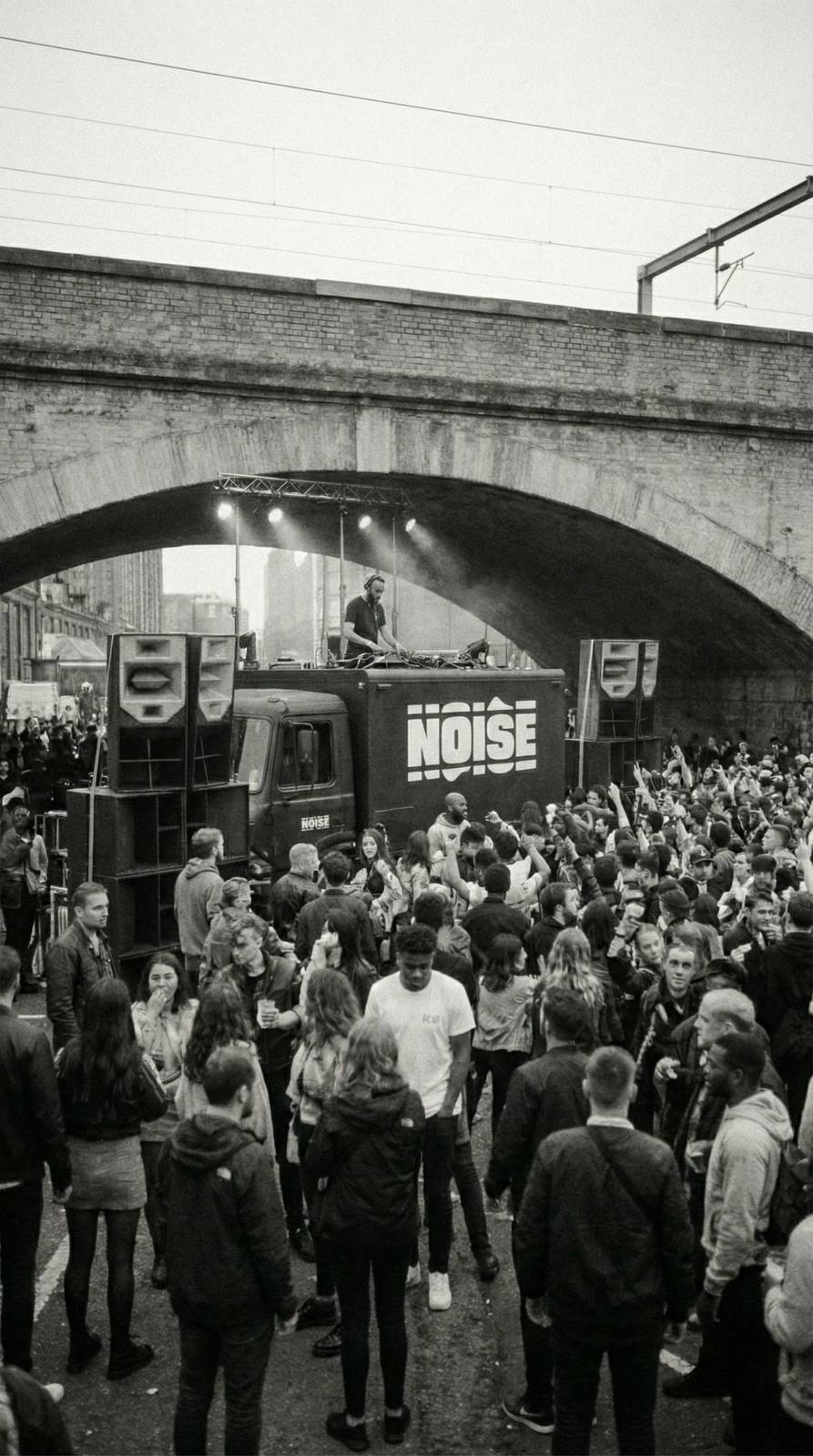
At Noise, championing emerging artists isn't a content strategy — it's our reason for existing. We believe the most exciting music comes from the margins, from the unsigned and underrepresented, from bedroom studios and basement venues. Every mainstream artist started underground. The artists on this list are the mainstream of tomorrow, and they need your support today.