



We've outsourced musical taste to machines. The consequences for artistic diversity, cultural richness, and emerging artists are more serious than we realise.
TL;DR
Algorithmic curation prioritises engagement metrics over artistic value, pushing music toward safe, formulaic sounds that keep people listening passively. Human curation — by DJs, critics, friends, and tastemakers — surfaces music that challenges, surprises, and genuinely moves us. We need both.
How Algorithms Homogenise Music
Streaming algorithms are optimised for engagement: keeping you listening as long as possible. This creates a bias toward music that's pleasant, inoffensive, and similar to what you've already heard. The algorithm interprets a skip as 'this music is bad' rather than 'this music is challenging' — and challenging music is where artistic innovation lives.
The result is a positive feedback loop that rewards conformity. Music that sounds like existing popular music gets recommended; music that sounds different gets buried. Artists who might be creating the most innovative, exciting music of their generation never reach the listeners who'd love them because the algorithm categorises novelty as risk.
This isn't a conspiracy — it's the logical outcome of optimising for engagement metrics. But the consequences for musical diversity, artistic risk-taking, and cultural evolution are significant. An industry where algorithmic approval determines what music gets heard is an industry that trends toward sameness.
The Value of Human Curation
Before algorithms, we discovered music through human curators: radio DJs, record shop staff, music journalists, friends with great taste, and live music encounters. These discovery channels had something algorithms lack: intention, context, and the ability to recognise artistic value independent of engagement metrics.
A great radio DJ doesn't just play songs people already like — they play songs people don't know they'll like. They take risks, make connections between disparate genres, and introduce listeners to music that expands their taste rather than confirming it. An algorithm can't take this kind of creative risk because it has no concept of artistic value — only engagement data.
Human curators also provide context. When a music journalist writes about an album, they explain why it matters, how it fits into a tradition, what it's doing differently. This context enriches the listening experience and helps listeners engage with challenging music that they might otherwise skip. Context is something algorithms fundamentally cannot provide.
Finding the Balance
We're not anti-algorithm — algorithmic recommendation has genuine value for discovering similar music within genres you already enjoy. Discover Weekly has introduced millions of people to artists they love. The technology is powerful and useful.
But it should be one tool among many, not the primary arbiter of what music gets heard. Streaming platforms should invest equally in human curation: editorial playlists curated by real music experts, featured reviews and commentary, and discovery pathways that prioritise artistic significance alongside engagement metrics.
Artists should also take responsibility for not relying solely on algorithmic discovery. Building direct relationships with fans (email lists, social media communities, live performance audiences) creates discovery channels that no algorithm controls. The most resilient artist careers are built on human connections, not algorithmic favour.
What Platforms Should Do Differently
Introduce artistic diversity metrics alongside engagement metrics. If a user's listening is becoming increasingly narrow, suggest genuinely different music rather than more of the same. Platforms that expand musical horizons create more valuable listening experiences than those that create comfortable echo chambers.
Support independent editorial voices on the platform. Spotify has editorial playlists but has reduced the size and influence of its editorial team in favour of algorithmic playlisting. This is the wrong direction. More human editors, more diverse perspectives, and more editorial influence would improve the platform's cultural contribution.
Be transparent about how algorithms affect artist visibility and revenue. Artists deserve to understand how algorithmic decisions affect their income and career trajectory. The current opacity serves the platform, not the artists or listeners.
Why This Matters to Everything We Do
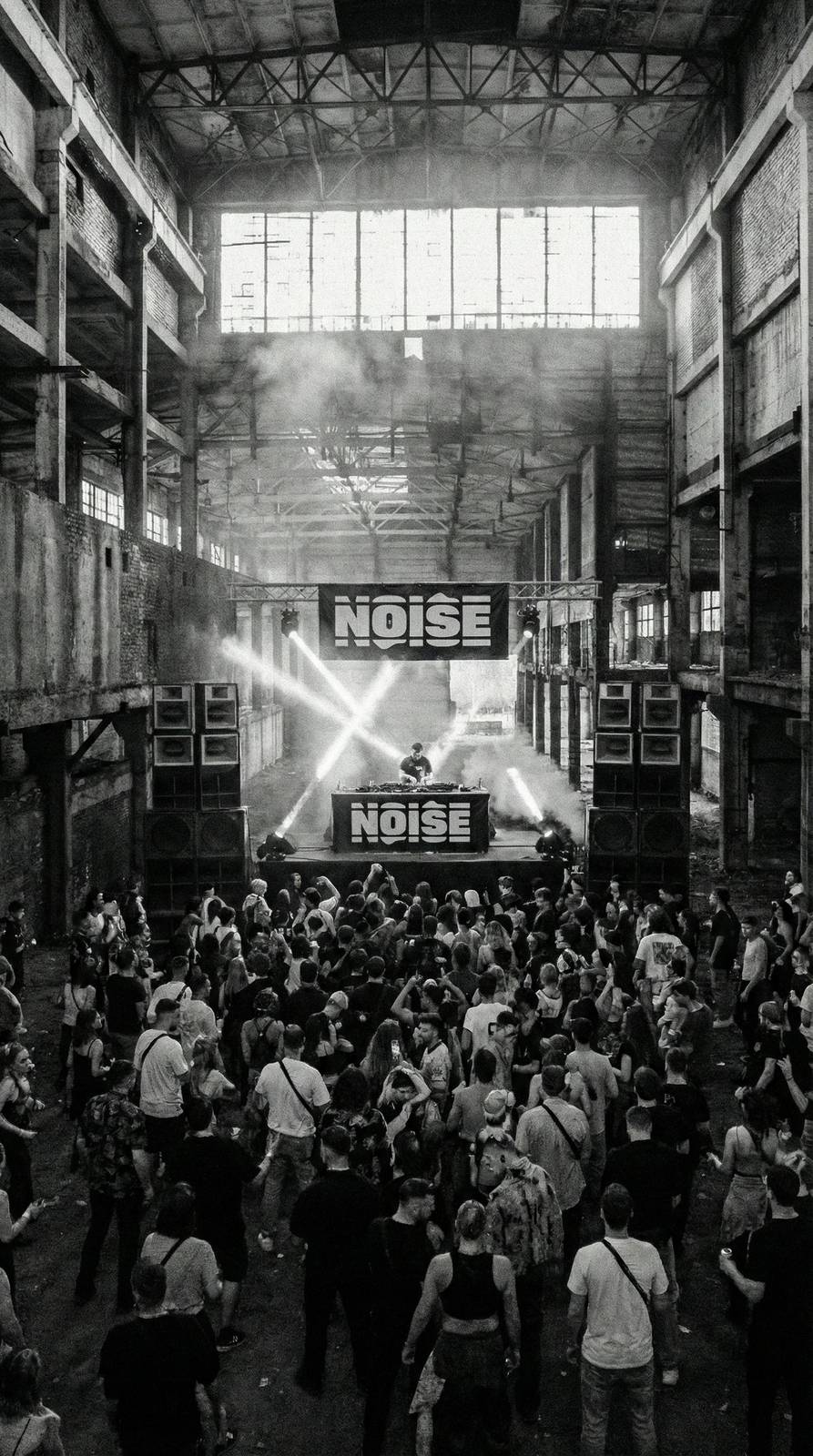
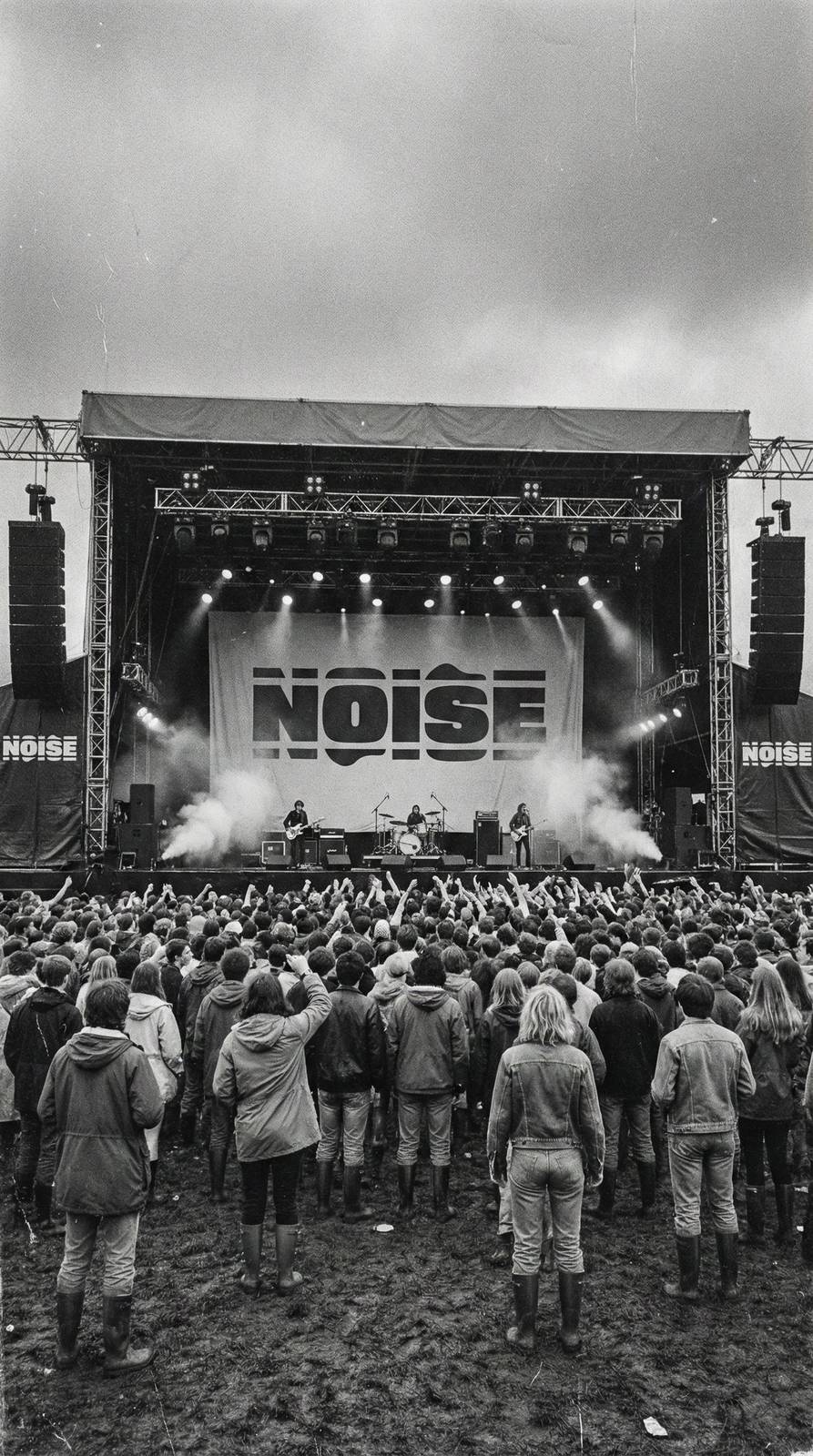
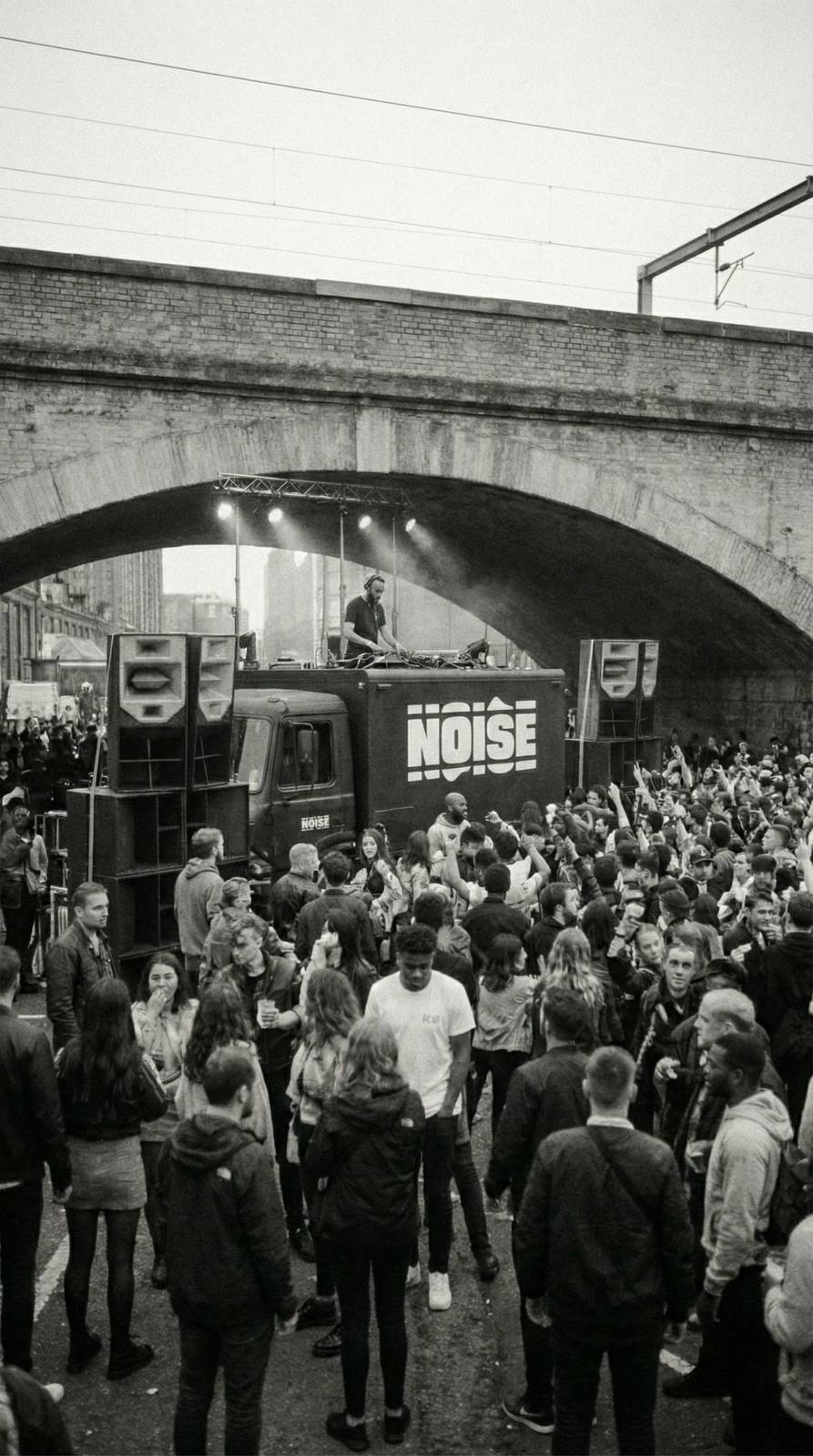
Noise exists partly because algorithmic curation isn't enough. We're human curators — discovering, writing about, and championing music that algorithms might miss. Music that's weird, challenging, from unexpected places, made by people who don't fit neat algorithmic categories.
The most important music often isn't the most immediately engaging. It's the song that grows on you over ten listens. The album that completely changes your taste. The artist whose first impression is confusing but whose fifth impression is transcendent. These experiences require patience and context that algorithms don't provide.
We'll keep being the human voice that says 'you need to hear this' — not because an algorithm calculated you'll stream it for 30 seconds without skipping, but because it's genuinely, meaningfully, unmissably good. That's curation. That's what music deserves.