
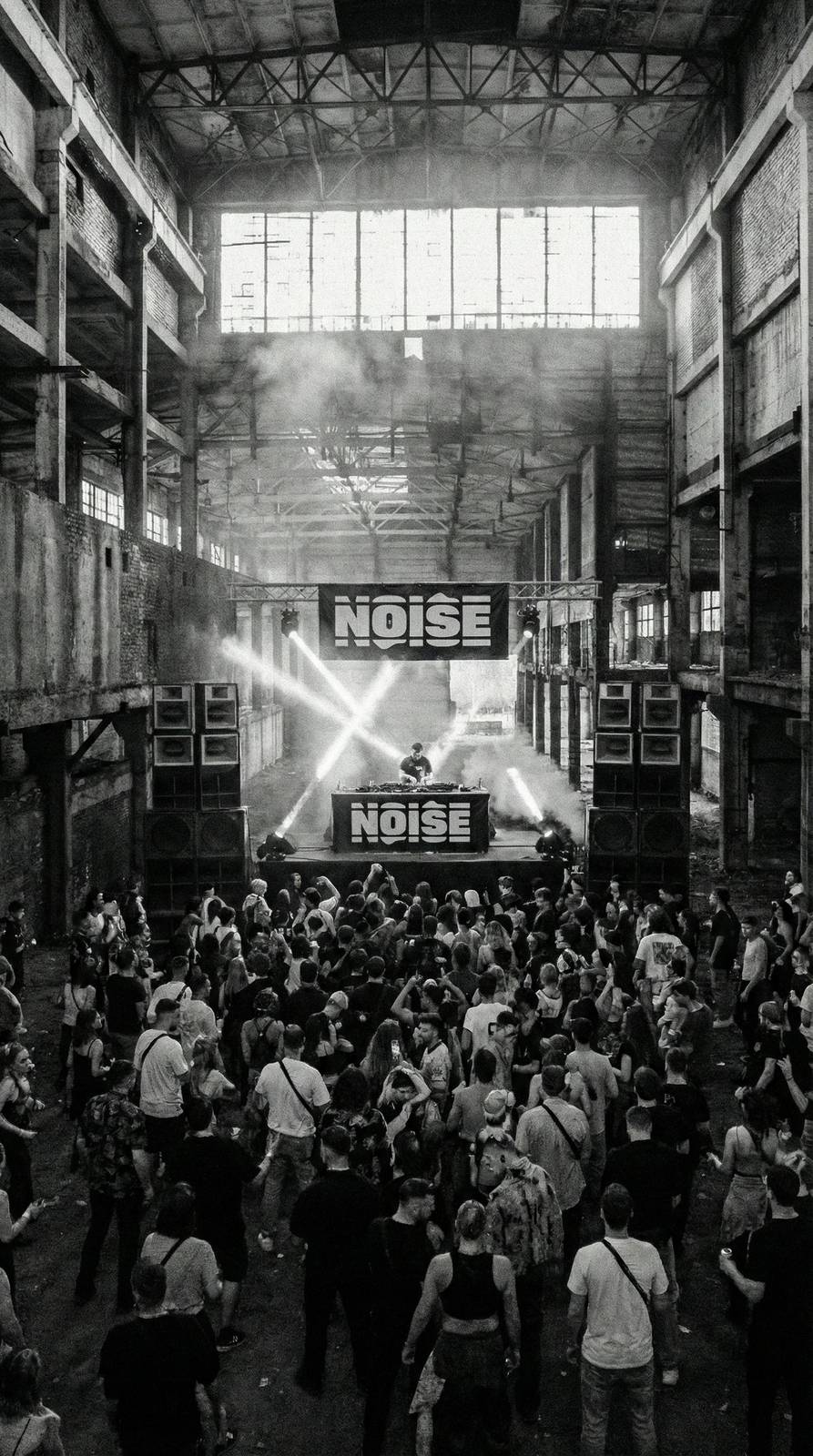

A great DJ mix isn't just songs in sequence — it's a narrative arc. Here's how to craft mixes that take listeners on a journey.
TL;DR
Great DJ mixes have narrative arcs — introduction, build, climax, resolution. Plan your tracklist in advance, consider energy flow and key compatibility, and record in one take for authenticity. SoundCloud and Mixcloud are the best platforms for sharing.
Why Mixes Matter in the Streaming Age
In an era of algorithmic playlists and infinite skip buttons, the curated DJ mix remains one of the most powerful formats for musical storytelling. A great mix does what Spotify can't — it creates connections between tracks, builds emotional arcs, and introduces listeners to music they'd never find independently.
For DJs and producers, mixes serve multiple purposes. They showcase your taste and technical ability. They introduce your music alongside tracks you admire. They build an audience that trusts your curation. And they create content that has a longer shelf life than a single or an EP.
The best mixes are listened to repeatedly, shared between friends, and returned to years later. A playlist gets updated and forgotten. A mix, like a great album, becomes a snapshot of a moment in musical time.
Planning Your Mix: The Narrative Arc
Every great mix tells a story. The specifics vary by genre and personal style, but the fundamental structure is universal.
The introduction sets the tone. Open with something that establishes mood and genre without overwhelming. Ambient intros, stripped-back grooves, or atmospheric tracks give the listener time to settle in.
The build develops the narrative. Gradually increase energy, complexity, and intensity. Each track should feel like a natural progression from the last. This is where your selection skills matter most — finding the transitions that feel inevitable rather than forced.
The climax is your moment of maximum impact. The track or sequence that makes the listener stop what they're doing and pay attention. It should feel earned — the result of everything that came before.
The resolution brings the energy down gracefully. Don't just stop after the climax — give the listener a gentle landing. Closing tracks should feel conclusive and satisfying, like the final chapter of a novel.
Plan your tracklist before recording. Arrange tracks in your DAW or on paper, considering energy levels, key compatibility, and how each transition will work. Spontaneity is great for live sets but planned mixes produce better results.
Technical Tips for Better Mixes
Key compatibility makes transitions smoother. Using tools like Mixed in Key or Rekordbox's key analysis, select tracks in compatible keys (the same key, relative major/minor, or adjacent keys on the Camelot wheel). You don't need to be rigid about this, but key-clashing transitions are jarring.
Vary your transition techniques. Long, gradual blends work for house and techno. Quick cuts work for hip-hop and breaks. EQ mixing — gradually swapping bass and treble between outgoing and incoming tracks — is versatile and prevents frequency buildup.
Record in one take. The temptation to punch in and fix mistakes is understandable, but one-take mixes have an energy and flow that edited mixes lack. If you make a mistake, keep going — most listeners won't notice, and the continuity is more important than perfection.
Mastering your mix improves the final product significantly. A light touch — gentle compression, subtle EQ, and appropriate loudness — ensures your mix sounds professional across playback systems.
Sharing and Promoting Your Mix
Mixcloud is the purpose-built platform for DJ mixes, with licensing agreements that make it legal to upload sets containing copyrighted music. SoundCloud remains popular for mixes despite its more complex copyright situation.
When posting, include a full tracklist with timestamps. This is generous to the artists whose music you're featuring and helpful to listeners who want to find specific tracks. It also signals professionalism.
Create artwork for each mix. A visually striking cover image makes your mix shareable and distinguishes it in a feed. Use the same design principles as album artwork — bold, simple, readable at small sizes.
Promote through your existing channels but also submit to mix-focused platforms and blogs. Resident Advisor, Truants, and genre-specific blogs regularly feature DJ mixes and can significantly expand your reach.
And always credit the artists. A great mix is a celebration of other people's music. Treating it as such — with full credits, gratitude, and promotion of the featured artists — is both ethical and strategically smart.
Comments
No comments yet. Be the first to share your thoughts.