
Using copyrighted music in your content can get you sued. Here's how to find legal music, understand licences, and avoid the copyright strike nightmare.
TL;DR
Content creators need sync licences for copyrighted music. Royalty-free libraries (Epidemic Sound, Artlist, Musicbed) are the safest option. Creative Commons music exists but check the specific licence. Never assume 'fair use' protects you — it usually doesn't.
Why You Can't Just Use Any Song in Your Content
Every piece of recorded music has two sets of rights: the composition (melody, lyrics) and the recording (the specific audio file). Using either in your content — YouTube videos, podcasts, TikTok posts, Twitch streams — without permission is copyright infringement. Period.
The penalties are real. A copyright strike on YouTube can demonetise your channel. Multiple strikes can get it deleted. And in extreme cases, rights holders can pursue legal action for damages. The music industry employs automated content recognition systems (like YouTube's Content ID) that can identify copyrighted music within seconds of upload.
Fair use is the most misunderstood concept in content creation. Using 30 seconds, crediting the artist, or saying 'no copyright infringement intended' does not make it legal. Fair use is a legal defence, not a blanket permission, and it rarely applies to using commercial music in content.
Royalty-Free Music Libraries: Your Safest Option
Royalty-free doesn't mean free — it means you pay once and can use the music without ongoing royalty payments. These subscription services give you access to vast libraries of music cleared for content use.
Epidemic Sound (from £10/month) is the industry standard for YouTubers. Their library is massive, well-organised, and the licensing is straightforward — use any track in any content for as long as your subscription is active. The quality ranges from generic to genuinely excellent.
Artlist (from £10/month) offers a similarly large library with a slightly different vibe — more cinematic, more polished. Their licensing covers all platforms including social media, which not all services do.
Musicbed is the premium option, favoured by filmmakers and high-end content creators. The music quality is noticeably higher, but so is the price. Individual track licences start around £40.
For podcasters, services like Audiio and Soundstripe offer podcast-specific licences at lower price points.
Creative Commons and Free Alternatives
Creative Commons music is genuinely free to use, but you must check the specific licence attached to each track. CC licences vary significantly.
CC BY (Attribution) lets you use the music for any purpose, including commercial, as long as you credit the artist. CC BY-SA (ShareAlike) adds the requirement that your content must be shared under the same licence. CC BY-NC (NonCommercial) means you can't use it in monetised content.
The Free Music Archive, Incompetech (Kevin MacLeod's library), and ccMixter are reliable sources for Creative Commons music. YouTube's own Audio Library offers a selection of free tracks, though quality varies.
The catch with free music is that everyone uses the same tracks. If you've watched enough YouTube videos, you'll recognise certain CC tracks that appear in thousands of videos. For a professional content operation, investing in a paid library avoids this repetition problem.
Working Directly With Independent Artists
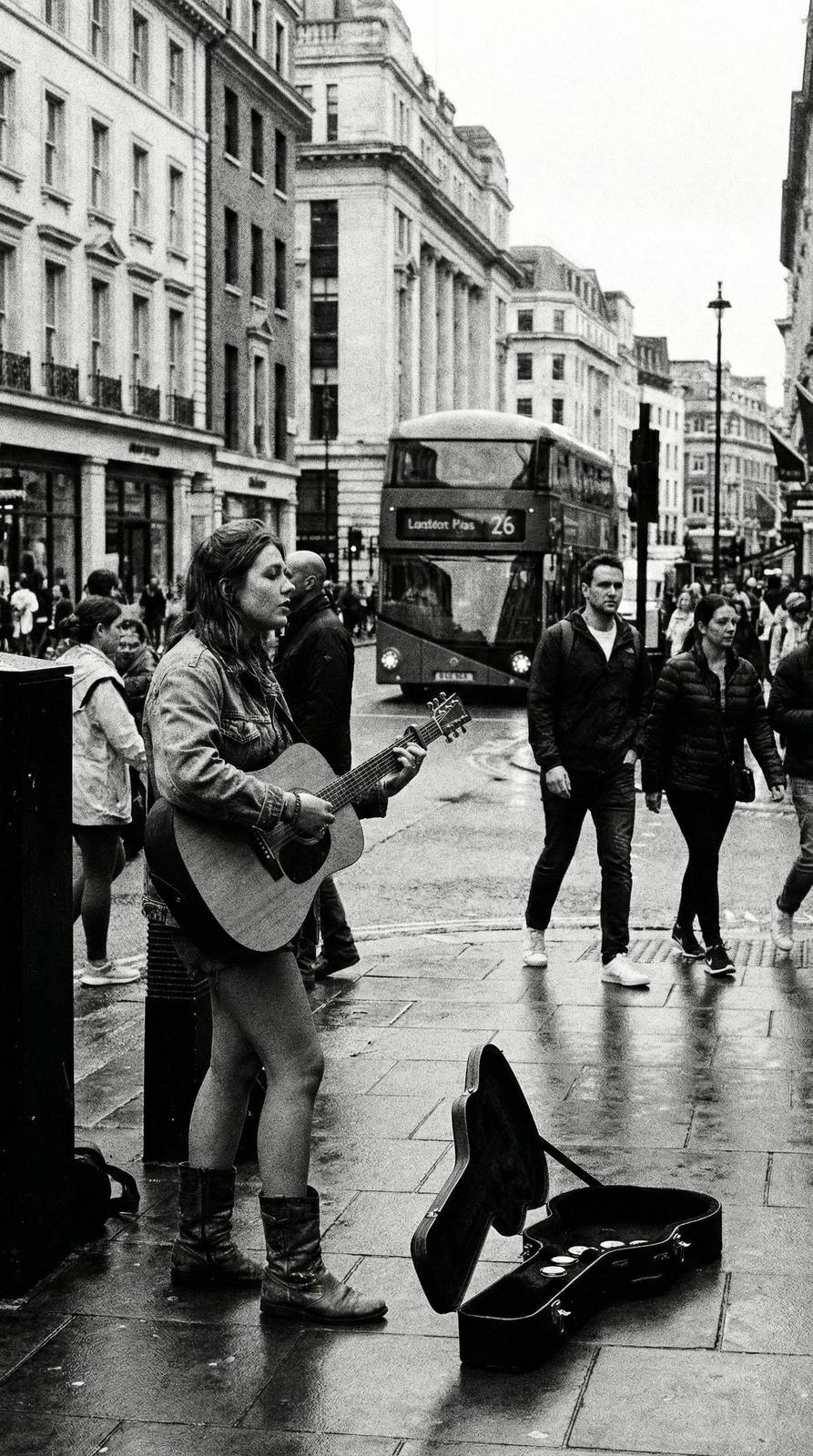
The best content music often comes from direct collaboration with independent artists. Many emerging musicians are happy to licence their tracks for content use — it gives them exposure and income simultaneously.
Reach out to artists whose music fits your content. Be upfront about what you want to use, where it'll appear, and what you can pay. Even modest fees (£50-200 per track) are welcome income for most independent artists, and you get unique music that no other creator is using.
Always get the agreement in writing. A simple email exchange confirming the terms is sufficient, but a proper licence agreement is better. Specify: what music, what content, what platforms, for how long, and what payment. This protects both parties.
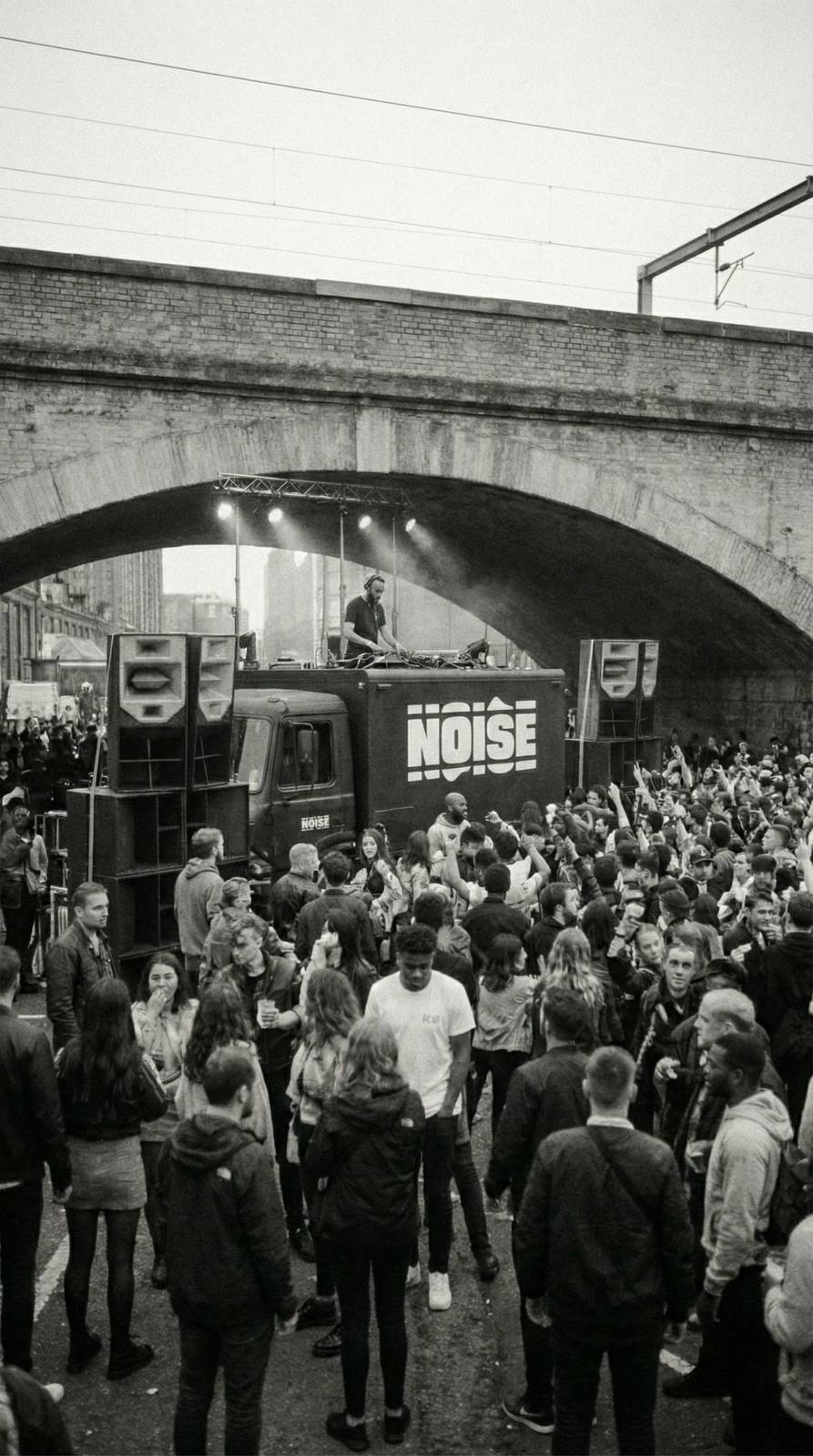
At Noise, we'd love to see more content creators supporting independent artists through direct licensing. It's a win-win that keeps money in the creative community rather than going to library music corporations.
Comments
No comments yet. Be the first to share your thoughts.