

Everyone's talking about spatial audio. We asked working producers what it's actually like to mix in Atmos — the wins, the frustrations, and whether it's worth learning.
TL;DR
Dolby Atmos for music is genuinely impressive when done well, but the tools are expensive, the learning curve is steep, and most listeners won't hear the difference on earbuds. Worth exploring if you're forward-thinking, but don't feel pressured into it yet.
What Dolby Atmos Actually Is (In Plain English)
Dolby Atmos is a spatial audio format that places sounds in three-dimensional space around the listener. Instead of stereo's two channels (left and right), Atmos works with up to 128 audio tracks and 7.1.4 speaker configurations — including height channels above the listener.
In practice, for music, this means elements of a mix can exist anywhere in a 3D space. A vocal can hover in front of you. A synth pad can swirl around your head. Drums can feel like they're in the room. When experienced on a proper Atmos speaker system or high-quality headphones, it's genuinely transformative.
Apple Music has been the primary champion of Atmos for music, with their spatial audio rendering (using head-tracking on AirPods Pro and Max) making it accessible to millions of listeners without dedicated speaker systems.
The Tools You Need (And What They Cost)
Here's where it gets prohibitive for many independent producers. Mixing in Dolby Atmos requires the Dolby Atmos Renderer — available as a plugin for Pro Tools and Logic Pro — plus the Dolby Atmos Production Suite. The renderer is free for personal use, but a professional licence and the full production suite add up.
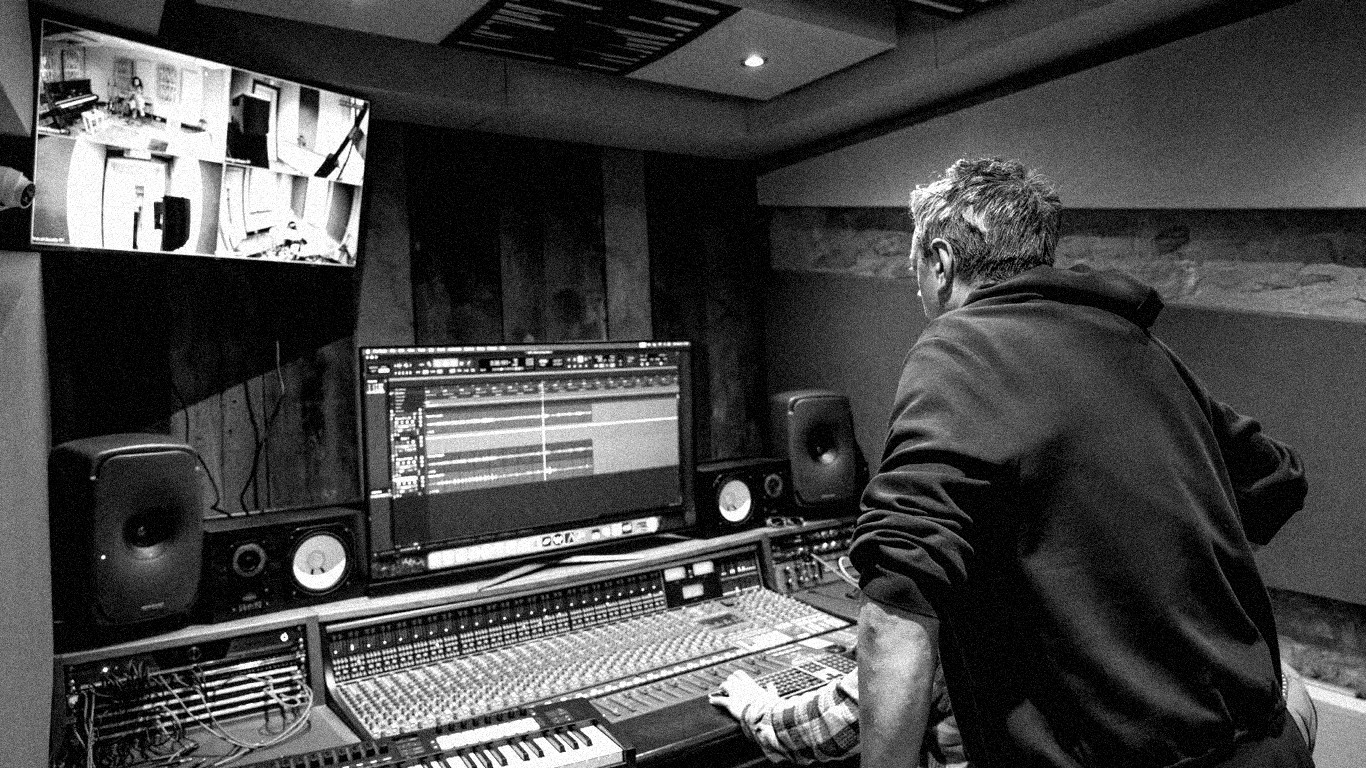
You'll also need a monitoring setup that can reproduce spatial audio. At minimum, a 7.1.4 speaker system, properly calibrated, in an acoustically treated room. Realistically, that's a £5,000+ investment before you've mixed a single note.
The binaural rendering option — mixing on headphones using Apple's Spatial Audio — is the accessible alternative. It doesn't give you the full Atmos experience, but it's free (built into Logic Pro 10.7+) and lets you create Atmos-compatible mixes on headphones. Most bedroom producers exploring Atmos start here.
What Working Producers Actually Think
We spoke to several independent producers and mix engineers who've worked in Atmos, and the consensus is nuanced. The creative possibilities are genuinely exciting — being able to place instruments in 3D space opens up arrangement and mixing possibilities that stereo simply can't offer.
But the practical challenges are real. Every Atmos mix needs a stereo fold-down that sounds good — because most listeners will still hear stereo. This means effectively mixing every project twice. The workflow is more complex, the quality control is more demanding, and the turnaround time is longer.
The biggest frustration is listener hardware. A carefully crafted Atmos mix that sounds incredible on a 7.1.4 system might sound odd or unbalanced on earbuds with binaural rendering. The gap between intended playback and actual playback is wider in Atmos than in stereo.
Should You Learn Atmos?
If you're a producer who wants to future-proof your skills, learning Atmos basics is worth your time. Apple's commitment to spatial audio means the format isn't going away, and the number of Atmos-compatible playback devices grows every year.
Start with Apple's free tools in Logic Pro. Watch Dolby's excellent tutorial series. Mix a few tracks in spatial audio and listen on different devices. The learning curve is real but manageable if you already understand mixing concepts.
But don't feel pressured into it. The vast majority of music consumption still happens in stereo, and a great stereo mix will always sound better than a mediocre Atmos mix. Master the fundamentals of mixing first — spatial audio is an advanced specialisation, not a replacement for core skills.
The producers who'll benefit most from Atmos are those working in electronic music, ambient, cinematic, and immersive genres where the spatial dimension adds genuine artistic value. For a straight-ahead rock band or a rapper, stereo remains perfectly adequate.


Comments
No comments yet. Be the first to share your thoughts.