


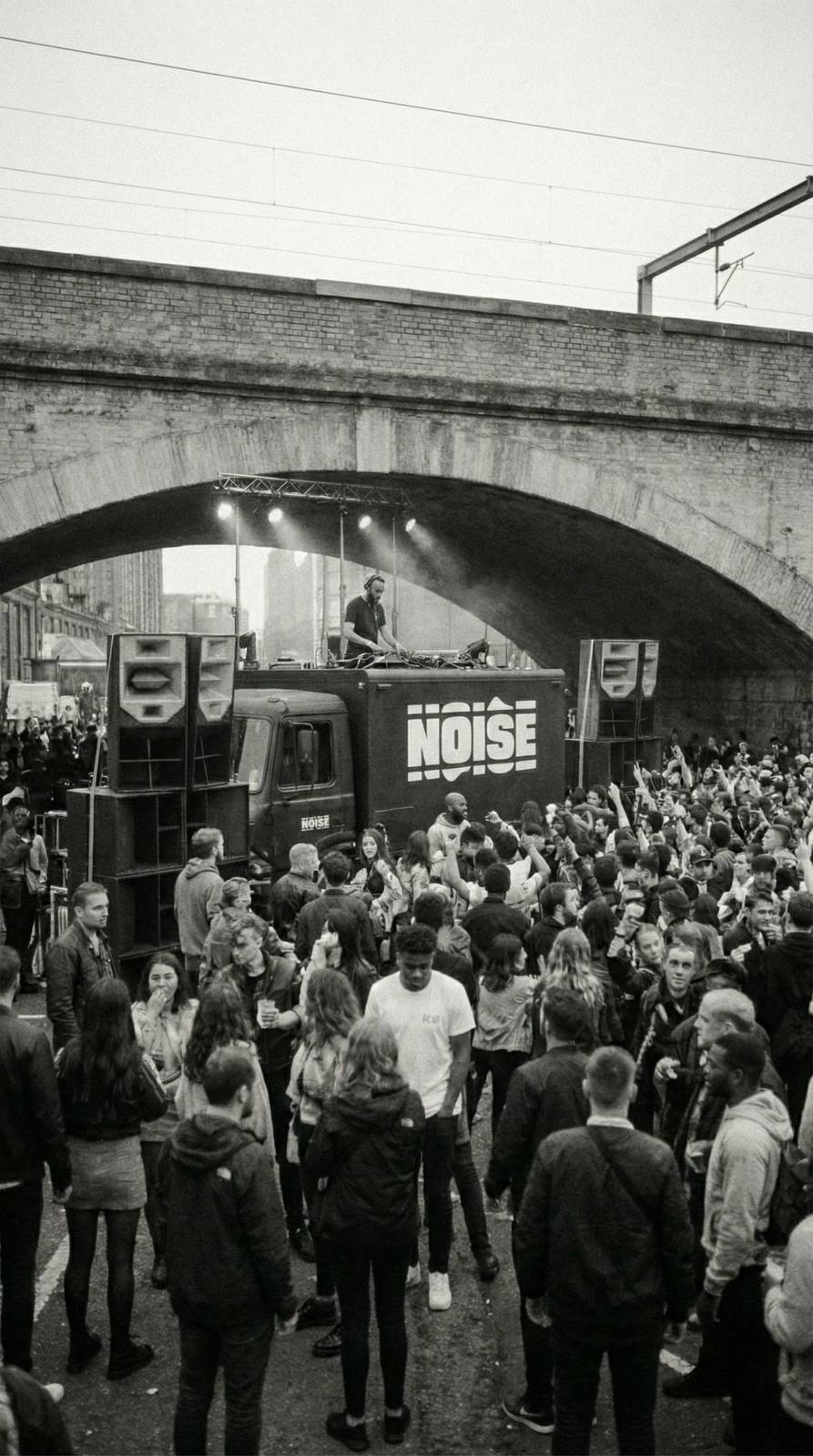
Live music is evolving faster than at any point in history. From hybrid events to AI-powered personalisation, here's what's coming next.
TL;DR
Dynamic pricing, cashless venues, AI-enhanced sound, hybrid physical/digital events, and sustainability demands are reshaping live music. Artists and fans need to adapt — but the core magic of live performance remains irreplaceable.
Dynamic Pricing: The Controversy That Won't Go Away
Dynamic pricing — where ticket prices fluctuate based on demand, like airline seats — has been the most contentious development in live music economics. The Oasis reunion ticket debacle, where prices surged from £150 to £350+ during high demand, crystallised public anger about a practice that many view as exploitative.
The counterargument is economic: if a show sells out instantly at £100 and tickets immediately appear on resale sites at £300, the profit goes to scalpers rather than artists. Dynamic pricing at least keeps that revenue in the primary market.
But the impact on accessibility is real. When prices spike unpredictably, lower-income fans — often the most passionate and loyal — are priced out. The artist's relationship with their community suffers, even if their accountant is happier.
The most artist-friendly approach we've seen is tiered pricing with price caps. Early bird pricing rewards loyal fans, standard pricing serves the general public, and a hard cap prevents predatory surging. Several independent artists and promoters have adopted this model and it preserves both revenue and fairness.
Technology in the Venue
Cashless payment systems have become standard in most UK venues, accelerating a trend that began during the pandemic. The benefits are real — faster bar service, better sales data, reduced theft — but the accessibility concerns are valid. Not everyone has contactless payment, and the data collection implications of tracking every purchase aren't trivial.
AI-enhanced sound is emerging in larger venues. Systems that use machine learning to optimise room acoustics in real-time, adjusting EQ and dynamics based on crowd size, temperature, and humidity, are being trialled at major venues. The promise is consistent sound quality regardless of conditions — something any live music fan who's suffered a muddy festival mix can appreciate.
Immersive audio formats are entering live music. D&B Soundscape and L-ISA from L-Acoustics create three-dimensional sound fields in venues, placing instruments in specific spatial positions. Currently limited to premium venues and installations, this technology will eventually make its way to smaller spaces.
Hybrid Events and Global Reach
The pandemic-era livestream experiment has evolved into something more sophisticated. Hybrid events — where a physical performance is simultaneously broadcast digitally with interactive elements — offer artists the ability to reach global audiences without touring.
The most successful hybrid events go beyond simple camera feeds. Multi-angle video, spatial audio streams, virtual meet-and-greets, and interactive chat create an experience that, while different from being there, has its own value.
For independent artists, hybrid events lower the barrier to reaching international audiences. A solo artist in Sheffield can perform to fans in Japan, Brazil, and South Africa simultaneously, without the cost of touring. Platforms like Moment House, Dice, and Twitch provide the infrastructure.
The economics are compelling: a 200-capacity venue show generating £2,000 in ticket revenue can add thousands more from virtual attendance, with minimal additional costs. The key is pricing virtual attendance appropriately — not so cheap that it devalues the physical experience, not so expensive that it excludes casual fans.
Sustainability Demands
The music industry's environmental impact is receiving unprecedented scrutiny. Touring — with its flights, buses, power generators, and venue energy consumption — is the single biggest carbon contributor. Festivals produce mountains of waste. And the streaming infrastructure that powers recorded music consumes enormous amounts of energy.
Artists are responding. Coldplay's Music of the Spheres tour was powered by 100% renewable energy, with kinetic floors and stationary bikes generating electricity from audience movement. Massive Attack partnered with the Tyndall Centre for Climate Change Research to produce the most comprehensive environmental audit of touring ever conducted.
For independent artists, sustainability often means simpler choices: choosing trains over planes, reducing merchandise waste, supporting venues with green energy policies, and offsetting what can't be eliminated.
The audience expectation is shifting too. Younger fans increasingly factor sustainability into their purchasing decisions, including which events to attend. Festivals that demonstrate genuine environmental commitment are gaining competitive advantage.
Live music is the most powerful form of human connection that music offers. The technologies and trends reshaping it are important to understand, but the fundamental magic — humans making music for other humans, in real time, in shared space — is timeless. Everything else is just context.