

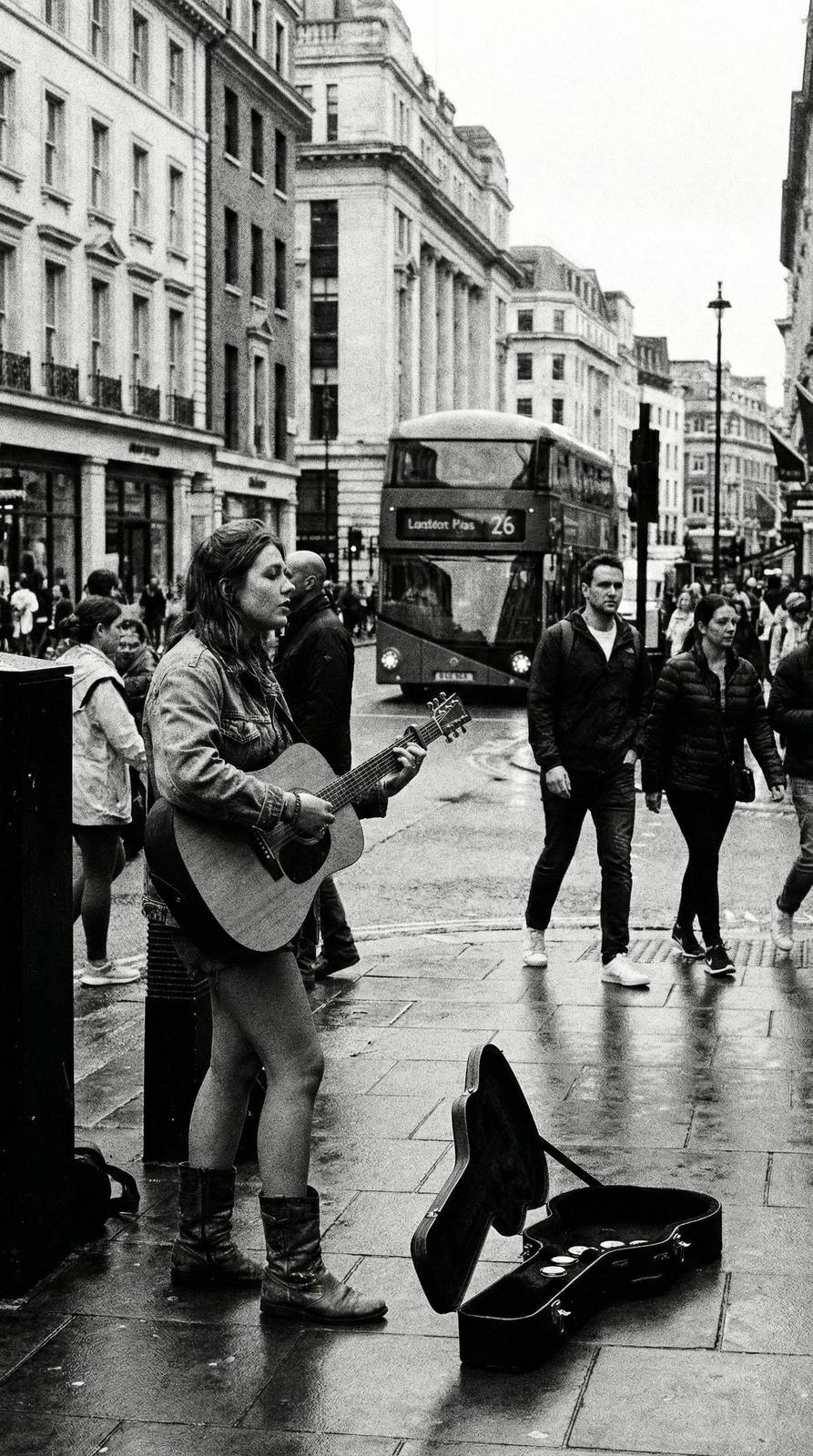
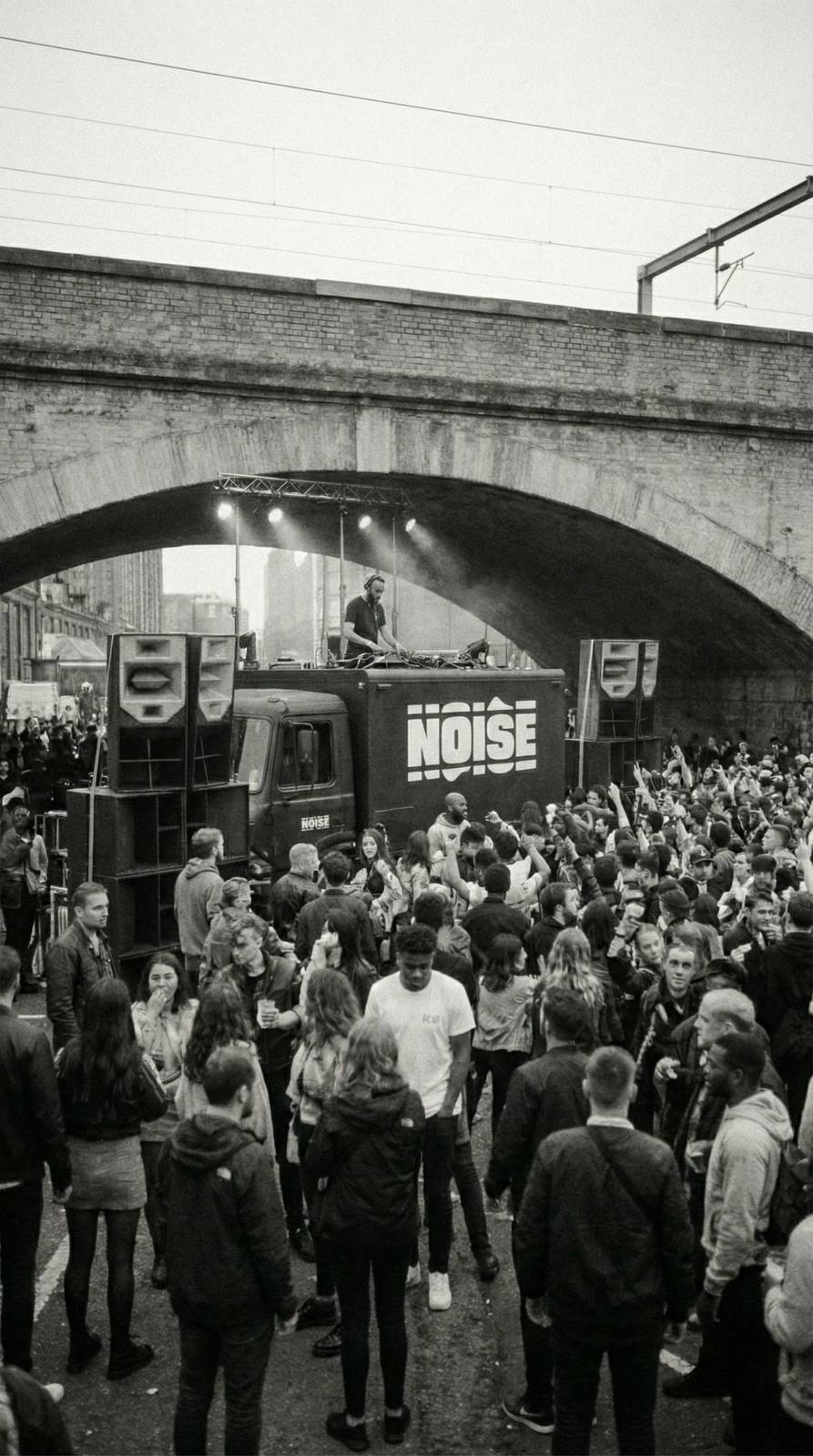
Rising rents displace the artists who create cultural value. Here's how gentrification threatens music scenes and what communities can do about it.
TL;DR
Music scenes attract cultural attention, which attracts investment, which raises property values, which prices out the artists who created the scene. This cycle has destroyed vibrant music communities from Shoreditch to Williamsburg. Community land trusts and cultural protection policies offer potential solutions.
Setting the Scene
The cultural dimension of music is inseparable from its creative and commercial dimensions. Understanding how music functions culturally — how it builds identity, creates community, and reflects social conditions — enriches your perspective as an artist and strengthens your connection with your audience.
Music doesn't exist in a vacuum. It's created by people in specific times and places, shaped by economic conditions and social dynamics, and consumed within cultural contexts that affect how it's received. The most resonant music engages with its cultural moment consciously and authentically.
For emerging artists, cultural awareness isn't just academic — it's practical. Understanding the cultural significance of what you're creating helps you communicate with audiences, position your work within broader conversations, and create music that resonates beyond its sonic qualities.
Historical Context and Evolution
Every musical movement has roots in what came before and seeds of what comes next. Understanding the lineage of your genre — who pioneered it, what conditions created it, how it evolved — gives you a deeper relationship with your own creative practice.
The UK has a particularly rich musical heritage. From the British Invasion through punk, rave culture, Britpop, grime, and beyond, British music has consistently produced movements that reshape global culture. Being part of this lineage — even as a bedroom producer in 2025 — connects you to a tradition of innovation and cultural significance.
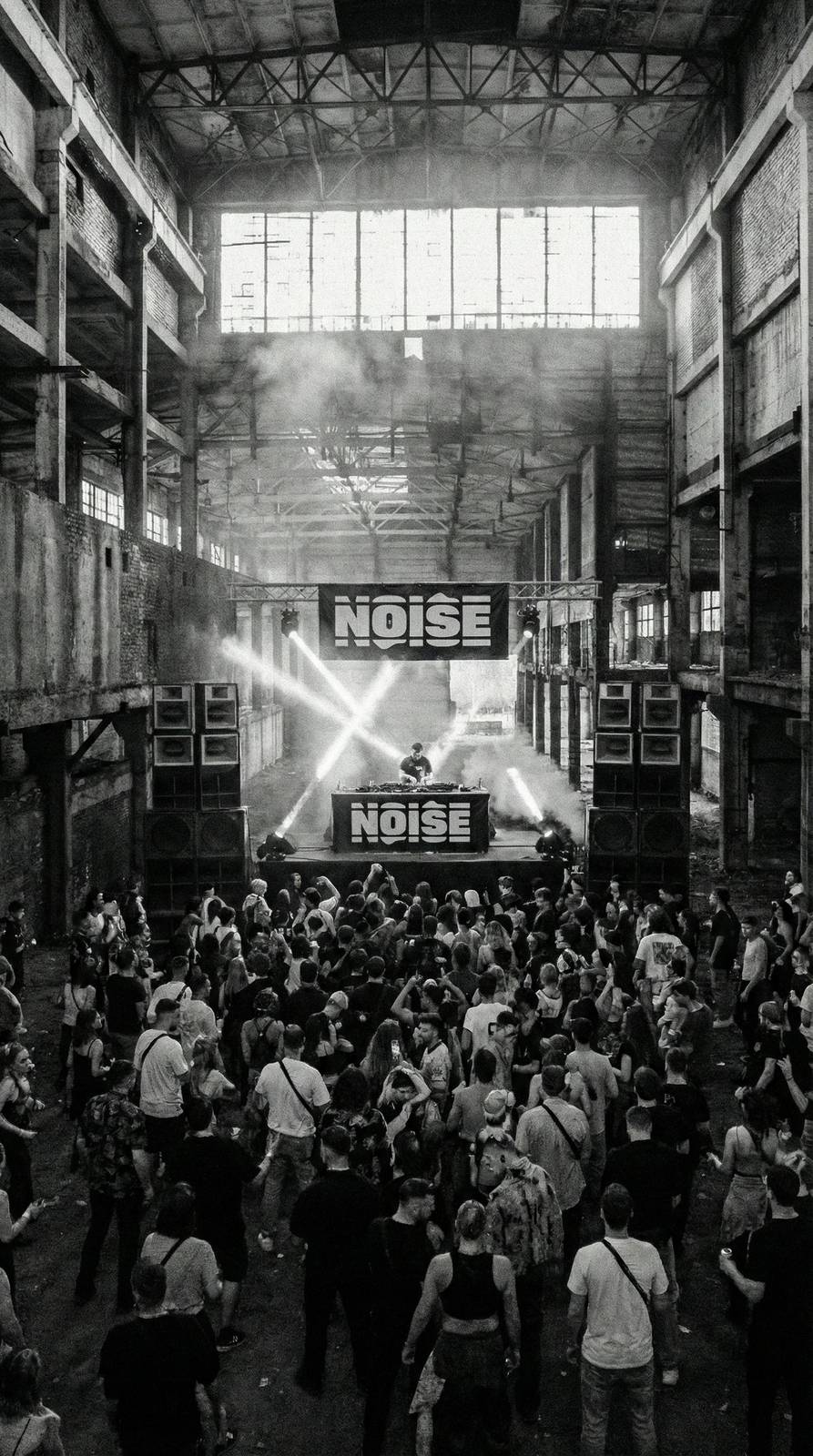
Cultural movements in music are almost always grassroots. They emerge from communities, clubs, bedrooms, and streets rather than boardrooms. The conditions that create vibrant music scenes — affordable space, creative community, and cultural diversity — are increasingly threatened by gentrification, venue closures, and economic pressure.
The Contemporary Landscape
Today's music culture is simultaneously more connected and more fragmented than ever. Streaming platforms create global access but algorithmic personalisation creates individual bubbles. Social media connects artists with audiences but creates performative pressure that can undermine authenticity.
The positive side of this landscape: niche communities can form around any genre, aesthetic, or identity, regardless of geography. A producer in rural Wales can connect with a scene in Tokyo. A vocalist in Manchester can collaborate with a beatmaker in Lagos. The cultural reach of music has never been broader.
The challenge: maintaining depth amid breadth. When everything is available instantly, the temptation is to consume widely but shallowly. The artists and fans who develop deep relationships with specific music cultures — who immerse themselves in scenes, study history, and contribute to communities — create and sustain the cultural richness that makes music matter.
Why This Matters for Artists
As an artist, your cultural context is part of your art. The music scene you belong to, the social conditions you create within, the community you serve — these contextual elements shape how your music is received and what it means to listeners.
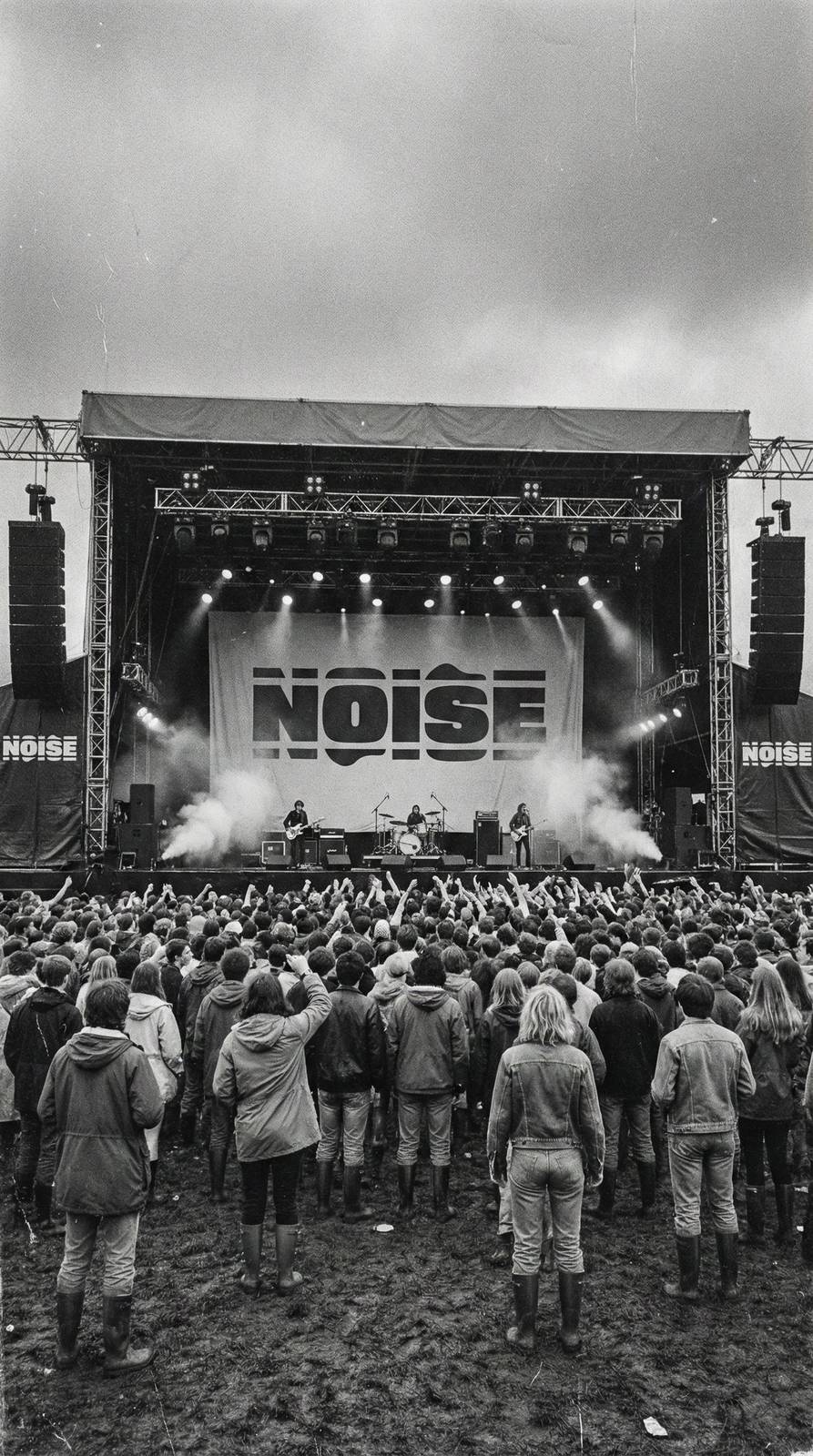
Engaging with music culture authentically — attending gigs, supporting other artists, contributing to communities, understanding your genre's history — enriches your creative practice and builds the network of relationships that sustains a career. Music is a social art form, and cultural engagement is as important as technical skill.
At Noise, cultural engagement is central to our mission. We believe music's power extends beyond entertainment to community-building, identity formation, and social commentary. The artists we champion aren't just making sounds — they're making culture. And that's worth protecting, celebrating, and amplifying.