
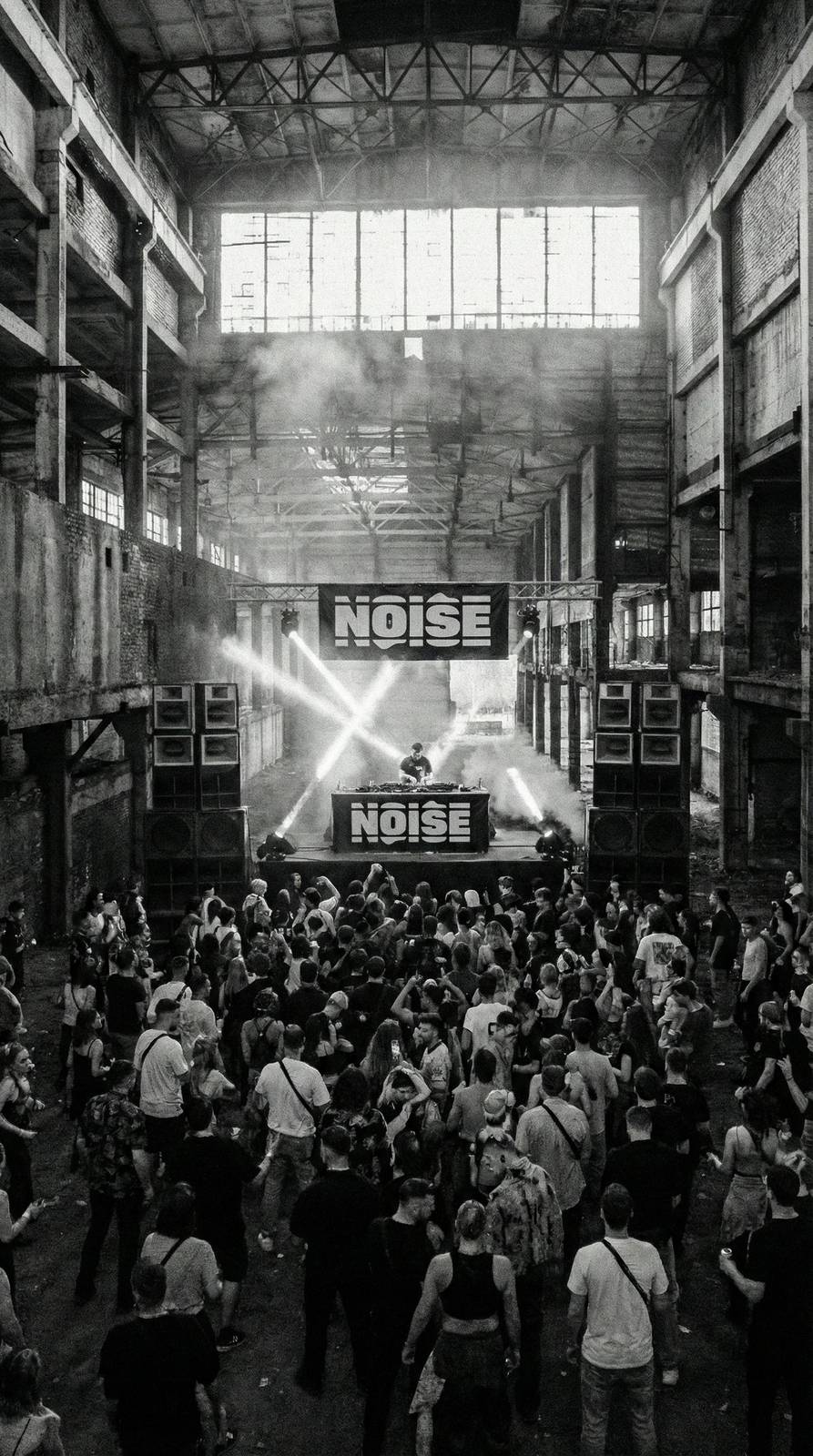

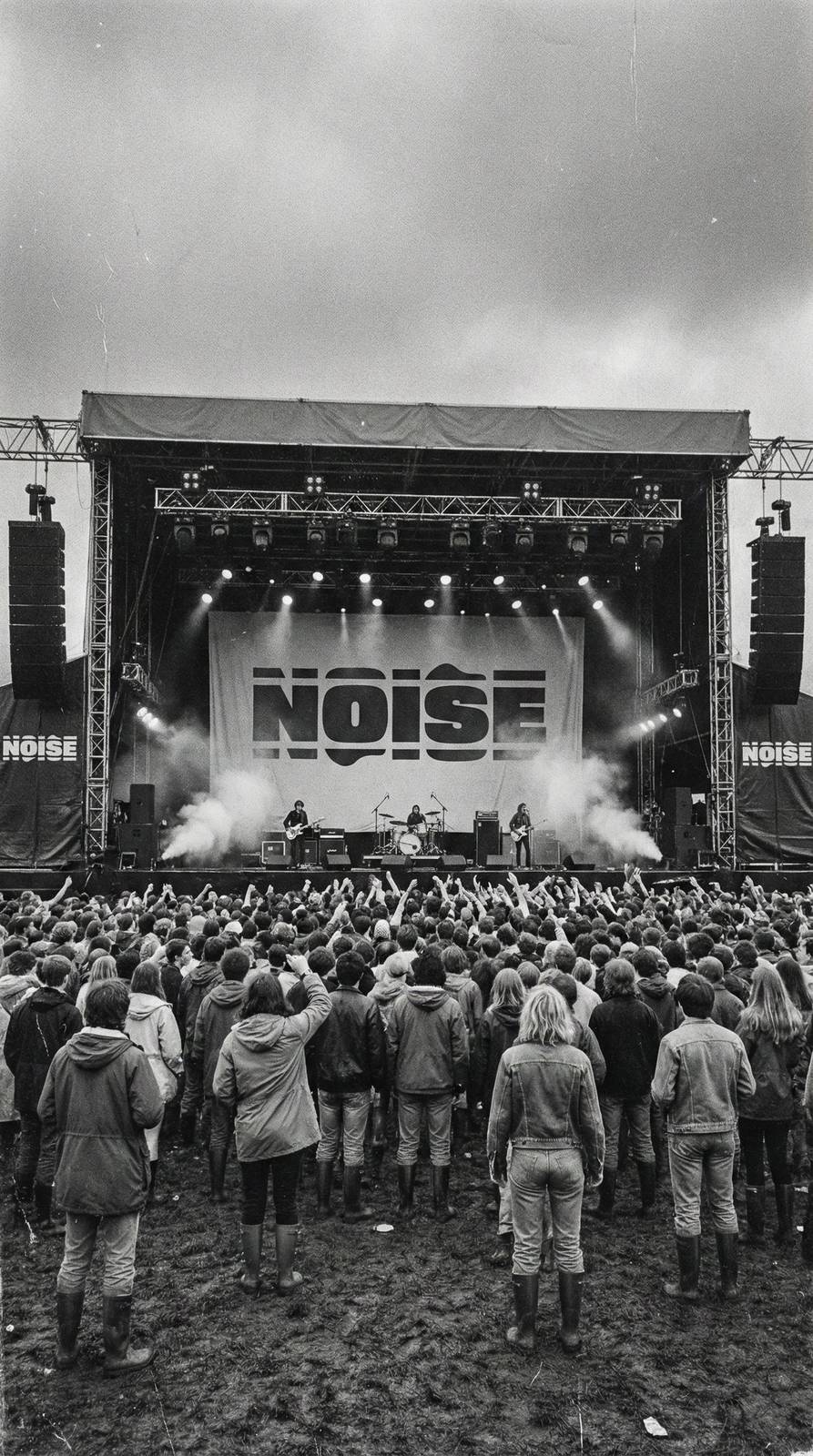
Glastonbury is the world's most famous festival. Here's what emerging artists need to know about getting booked, making the most of a slot, and navigating the experience.
TL;DR
Glastonbury books emerging artists through BBC Introducing, the Emerging Talent Competition, and direct applications to smaller stages. Focus on smaller stages (William's Green, Stonebridge Bar, Avalon Cafe) for realistic booking opportunities. Prepare for mud.
How Glastonbury Books Emerging Artists
Glastonbury's lineup encompasses thousands of performers across dozens of stages, and while the Pyramid Stage headliners get the attention, the festival's commitment to emerging artists is genuine and substantial.
The Glastonbury Emerging Talent Competition (ETC) is the most prestigious entry point. Open to unsigned and independently released UK artists, the competition receives thousands of entries annually. The winner gets a performance slot, a development package, and the kind of industry visibility that can transform a career. Previous winners include Declan McKenna and She Drew the Gun.
BBC Introducing provides another pathway. Artists who've been championed by their regional BBC Introducing show can be recommended for Glastonbury slots. The BBC Introducing stage at Glastonbury is specifically programmed with BBC Introducing artists.
Smaller stages book independently and often directly. Stages like William's Green, Stonebridge Bar, and the Avalon Cafe accept direct applications and are more accessible to emerging artists than the larger stages.
Making the Most of a Glastonbury Slot
If you're booked, preparation is everything. Your set time might be 20-30 minutes on a small stage, potentially competing with major acts on other stages. Make every minute count.
Promote aggressively. Share the lineup announcement, create content counting down to your set, and make it easy for festival-goers to find your stage and time. Many Glastonbury attendees plan their schedules in advance using the festival app — make sure you're on their list.
Perform like your career depends on it — because in some ways, it does. Glastonbury is crawling with industry professionals: managers, agents, label A&R, journalists, playlist curators. A brilliant set on a small stage can lead to conversations that change your trajectory.
Network, but prioritise performing. The festival experience can be overwhelming, and the temptation to spend your time exploring can distract from the professional opportunity. Enjoy the festival, absolutely — but remember why you're there.
Practical Tips
Bring wellies. Glastonbury mud is legendary and unavoidable. Your carefully chosen stage outfit means nothing if you've fallen face-first in a puddle on the way to your set.
Arrive early enough to get your bearings. Glastonbury is enormous — the site covers 900 acres and navigating between stages can take 30+ minutes. Know where your stage is well in advance.
Bring merch but keep it simple. A limited run of vinyl, CDs, or branded items can sell well at festivals, but you'll need to carry it across a field, so pack accordingly.
Connect with other artists on the lineup. The relationships you build at Glastonbury — with fellow performers, stage managers, and crew — become part of your professional network. Be friendly, be professional, and be memorable for the right reasons.
And enjoy it. Glastonbury is a once-in-a-lifetime experience for many artists. The nerves, the mud, the unpredictable weather, the magical atmosphere — embrace all of it. You're playing Glastonbury. Take a moment to appreciate that.