

Musicians are natural storytellers. Here's how to start a podcast that builds your audience, deepens fan connection, and doesn't require expensive equipment.
TL;DR
A podcast extends your reach beyond music fans to broader audiences. Start with a phone, free hosting (Spotify for Podcasters), and a consistent concept. Interview other artists, discuss your creative process, or review music. Cross-promote across platforms.
Why Musicians Should Podcast
Podcasting offers musicians something that music alone doesn't: extended engagement. A listener might play your 3-minute song and move on. A 30-minute podcast conversation keeps them in your world for ten times longer, building the kind of parasocial relationship that turns casual listeners into committed fans.
The cross-promotion opportunities are significant. A podcast about music creation, industry insights, or artist conversations naturally leads listeners to your music. Every guest you interview becomes a promotional partner — their audience discovers you, your audience discovers them.
Podcasting also establishes authority. A musician who thoughtfully discusses production techniques, industry issues, or creative processes is positioned as a knowledgeable, credible voice — which benefits everything from press coverage to booking enquiries to potential partnerships.
Equipment and Setup: Start Simple
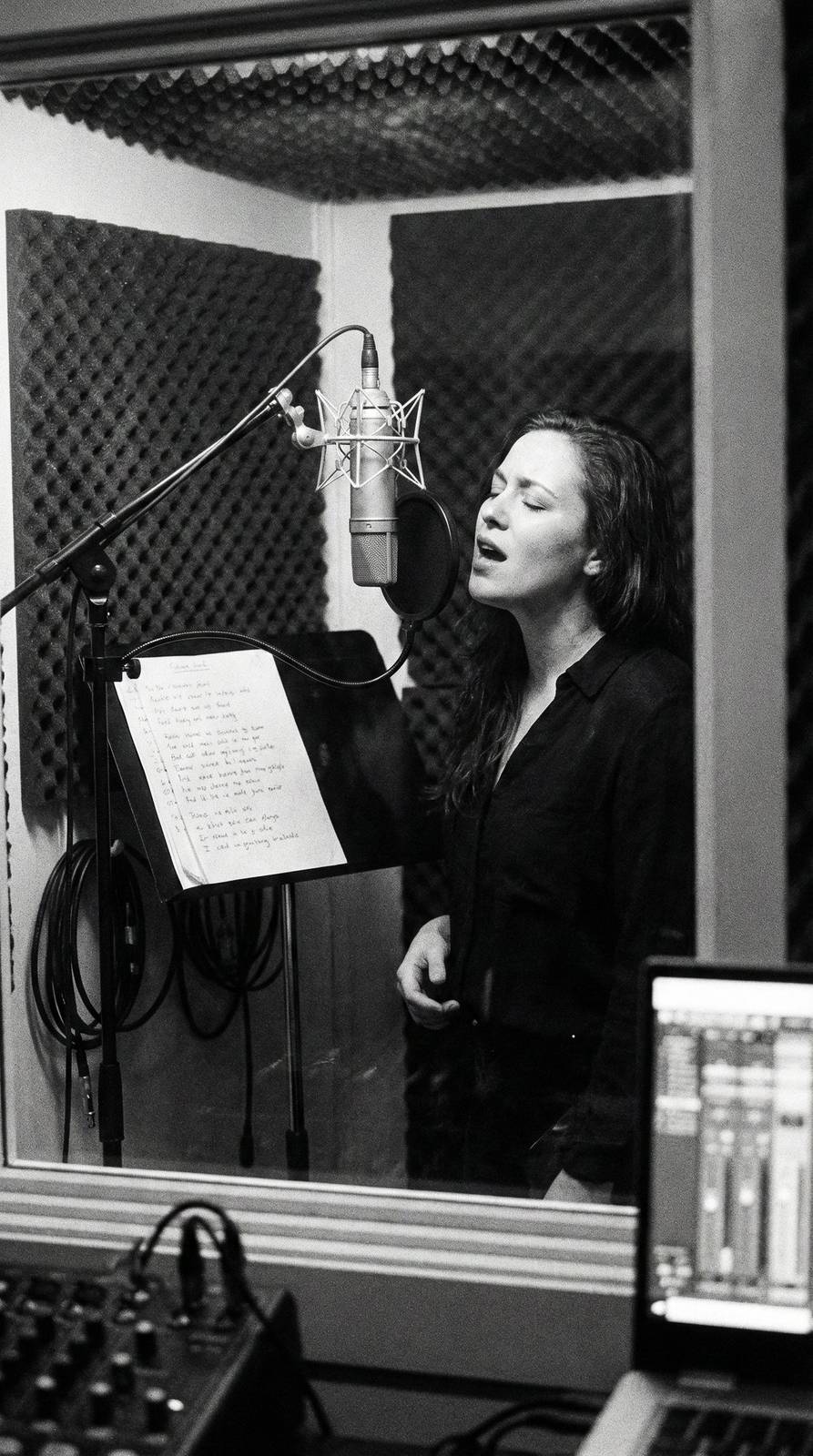
The good news: you probably already own equipment better than what most podcasters start with. Any decent microphone you use for recording music will work for podcasting. A Shure SM58 (the industry standard live vocal mic that costs about £85) is perfectly adequate.
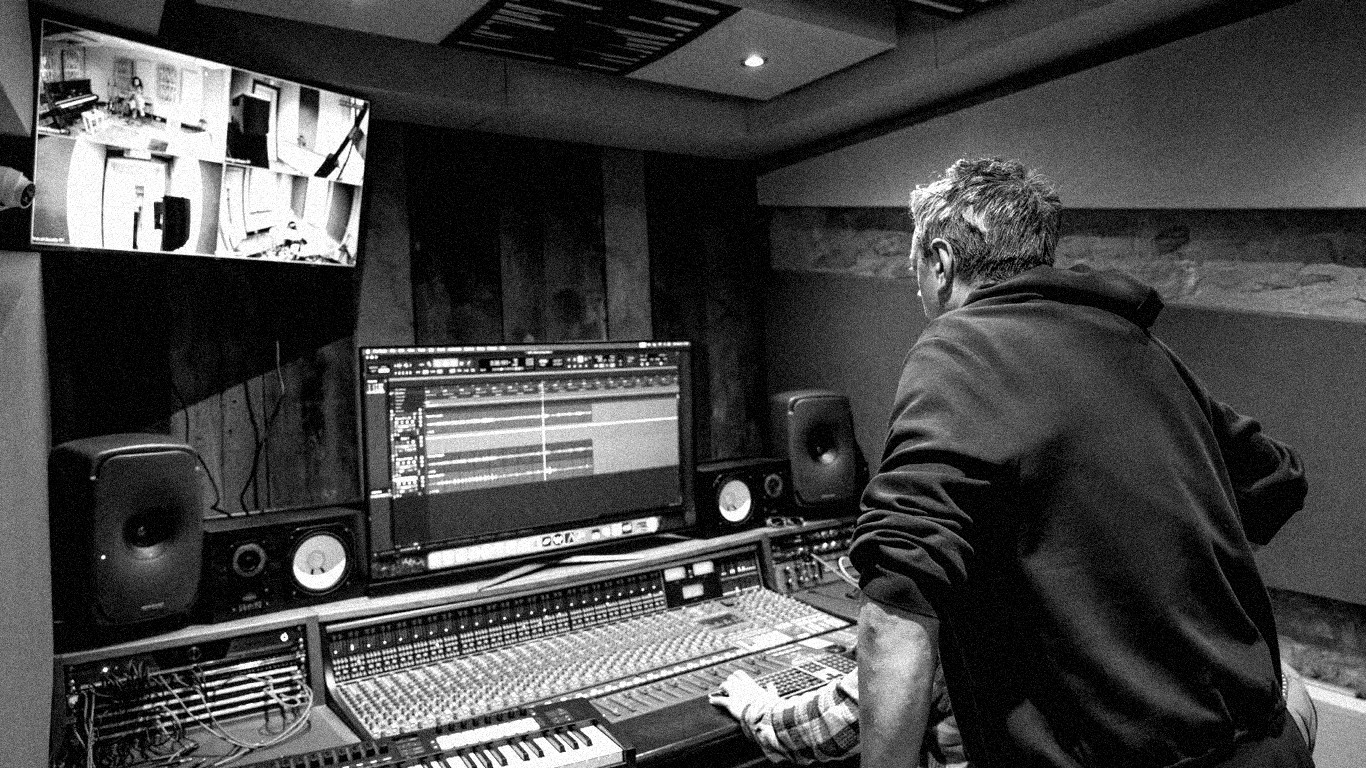
For recording, your DAW works fine. GarageBand, Audacity (free), or any DAW you already use can record, edit, and export podcast audio. You don't need specialised podcast software.
Hosting is free through Spotify for Podcasters (formerly Anchor). Upload your episodes there and they'll distribute to Apple Podcasts, Google Podcasts, Amazon Music, and other platforms automatically.
The minimal viable setup: your existing mic, your existing DAW, free hosting. Total additional cost: zero. You can upgrade to dedicated podcast equipment later if you want to, but it's not necessary to start.
Content Ideas for Musician-Hosted Podcasts
Interview shows work well because they provide built-in promotion. Interview other artists in your genre or scene — they'll share the episode with their audience, expanding your reach. Keep interviews conversational and specific — 'tell me about your journey' is boring; 'tell me about the moment in the studio when that bass line clicked' is compelling.
Production breakdown shows appeal to the growing audience interested in how music is made. Discuss your creative process, break down tracks, explain production decisions. This format works particularly well with visual components on YouTube.
Industry commentary positions you as a thought leader. Discuss news, trends, and issues affecting the music industry. Pair with guests who bring expertise on specific topics.
Listening parties — where you play and discuss a new album or a classic record — create communal experiences around music appreciation. These work well as live-recorded events with audience participation.
Growing Your Podcast Audience
Consistency is the single most important growth factor. Release on the same day, at the same time, every week (or every two weeks — but never less frequently). Podcast growth is slow and compound — listeners find you through recommendations, search, and cross-promotion over months, not days.
Clip content for social media. Extract the most interesting 30-60 second moments from each episode and share them as audiograms or video clips on TikTok, Instagram, and X. These clips serve as advertisements for the full episode.
Cross-promote with guests. Every guest should share the episode with their audience. Make this easy by providing pre-made social media assets — clip suggestions, pull quotes, images — that they can share.
Submit to podcast directories and lists. Apple Podcasts' editorial team features podcasts based on quality and relevance. Chartable, Podchaser, and Listen Notes all provide discovery infrastructure.
And always tie it back to your music. Your podcast exists to deepen the relationship between you and your audience — and that audience should always have easy access to your music through show notes, website links, and organic mentions during episodes.
Comments
No comments yet. Be the first to share your thoughts.