


Dropping a track and hoping for the best isn't a strategy. Here's how to plan releases that build momentum, engage algorithms, and grow your audience.
TL;DR
Release singles every 4-6 weeks, submit to Spotify editorial 4 weeks early, build pre-save campaigns, create content around each release, and always have the next one ready. Consistency beats virality every time.
Why Release Frequency Matters More Than You Think
The streaming economy rewards consistency above almost everything else. Spotify's algorithm, Apple Music's editorial team, and YouTube's recommendation engine all favour artists who release regularly. The data is clear: artists who release monthly or bi-monthly grow their listener base faster than those who release albums annually.
This doesn't mean quality doesn't matter — it absolutely does. But the old model of disappearing for two years to craft a perfect album doesn't serve the streaming economy. The sweet spot for most independent artists is a single every 4-6 weeks, with an EP or album once or twice a year as a tentpole release.
Think of each single as a chapter in a story. It keeps your audience engaged, gives the algorithm fresh content to recommend, and creates regular opportunities for press, playlists, and social media content.
The Pre-Release Timeline
A properly executed release starts 6-8 weeks before the drop date. Here's the timeline that works.
Week -8 to -6: Finalise the master, create artwork, write descriptions and credits. Upload to your distributor (DistroKid, TuneCore, AWAL, etc.) — most require at least 2-4 weeks lead time for store delivery.
Week -6 to -4: Set up your pre-save campaign. Tools like Feature.fm, ToneDen, and Hypeddit let you create landing pages where fans can pre-save to their streaming platform. Pre-saves directly influence your Day 1 algorithm performance.
Week -4: Submit to Spotify editorial playlists via Spotify for Artists. This is your single best chance at editorial playlist placement and must be done at least 7 days before release, though 4 weeks is optimal.
Week -3 to -1: Content campaign. Behind-the-scenes creation stories, studio clips, lyric teasers, artwork reveals. Build anticipation without giving everything away.
Release day: Drop day content, share across all platforms, engage with every comment and share, pitch to blogs and playlists. The first 24-48 hours matter most for algorithmic performance.
Content That Drives Streams
Every release needs a content strategy — not just a social media post saying 'new track out now.' The content should tell a story and give people a reason to listen.
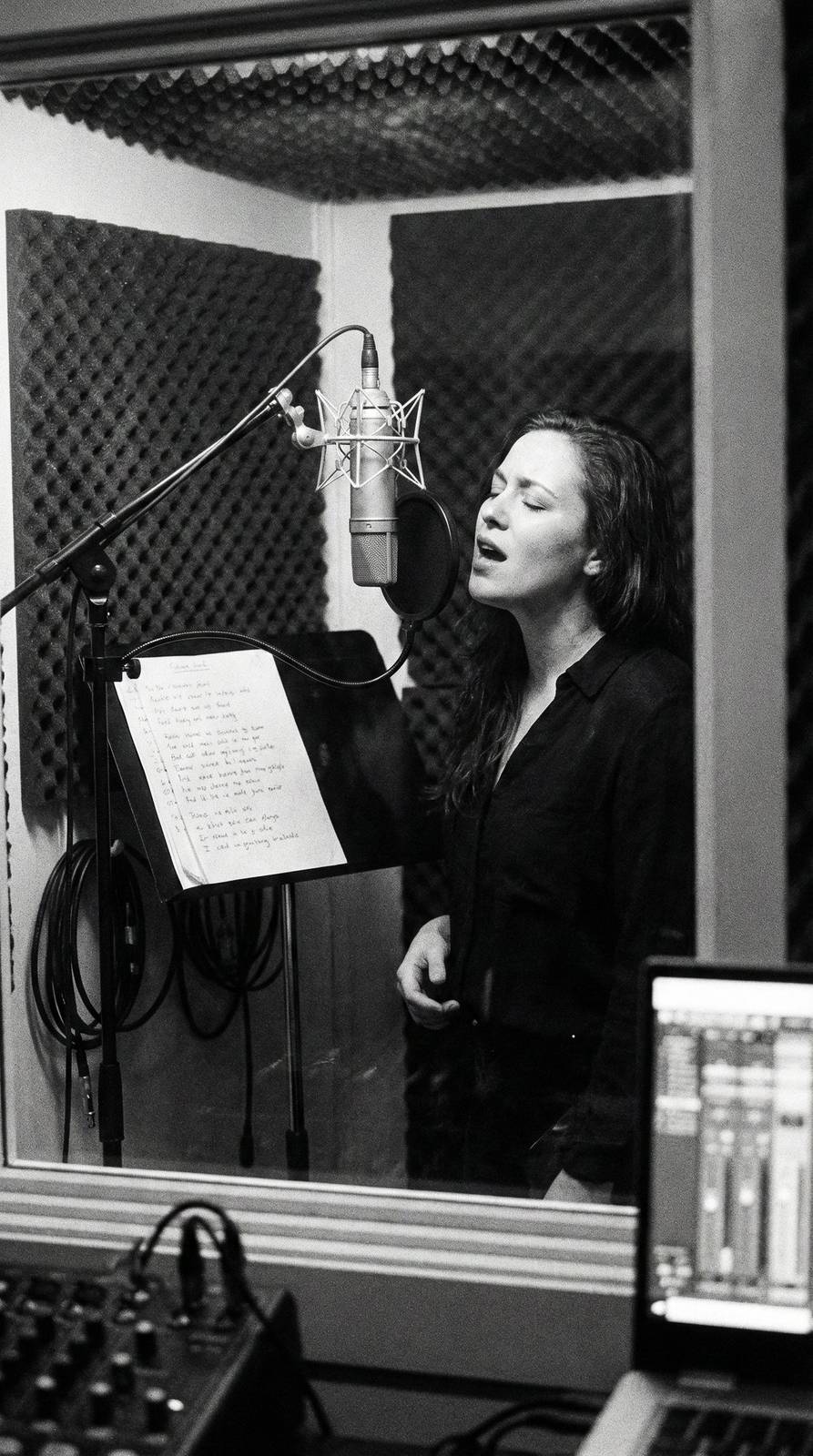
Behind-the-scenes content performs consistently well. Studio session clips, production breakdowns, vocal recording moments. People are fascinated by the creative process, and showing yours builds connection.
Short-form video is non-negotiable. A 15-60 second clip featuring your track on TikTok, Instagram Reels, and YouTube Shorts is the most effective organic promotion tool available. It doesn't need to be polished — authenticity outperforms production value on short-form platforms.
Lyric visualisers and audio-reactive visuals are cheap to create (Canva, After Effects templates, or free tools like Vizzy) and provide a visual component for platforms where audio-only content underperforms.
Collaborative content — react videos with the other artists on the track, producer breakdowns, vocal recording sessions — performs well because it reaches multiple audiences simultaneously.
After Release Day: The Long Game
Most artists put enormous effort into release day and then move on. But algorithmic playlists like Discover Weekly and Release Radar kick in 1-2 weeks after release. The promotional window extends far beyond Day 1.
Week 1-2: Monitor Spotify for Artists data. Which playlists added your track? What's the save rate? Where are listeners geographically? Use this data to inform targeted promotion.
Week 2-4: Reach out to independent playlist curators. Tools like SubmitHub, Playlist Push, and direct outreach can get you onto curated playlists that extend your track's lifespan.
Week 4+: Repurpose content. Use a different clip of the track for a new TikTok, share listener milestones, post reviews or blog features. Each new piece of content drives fresh traffic to the release.
Most importantly: have your next release ready to go. The best release strategy is cyclical — each release feeds into the next. By the time one track is in its post-release phase, you should be in pre-release for the next one. This constant momentum is what transforms a catalogue into a career.



Comments
No comments yet. Be the first to share your thoughts.