


There are at least 12 different ways your music can generate income. Most artists are only using two or three. Here's the complete map.
TL;DR
Streaming, sync licensing, live performance, merchandise, teaching, session work, production for others, Patreon/memberships, sample packs, mixing/mastering services, YouTube/content revenue, and grants. Diversify your income to build a sustainable music career.
Streaming Revenue: Necessary but Not Sufficient
Let's start with the elephant in the room. Streaming on Spotify, Apple Music, Amazon, and other platforms is how most people discover and listen to your music. But the per-stream rates — roughly £0.003-0.005 per stream — mean you need enormous numbers to generate meaningful income.
For context: 1 million Spotify streams generates approximately £3,000-5,000. That sounds like a lot of streams (it is), and not a lot of money (it isn't). If streaming is your only revenue source, you need to be generating millions of streams per month to live off it.
But streaming isn't just direct revenue. It's the discovery engine that feeds every other income stream. Someone discovers you on Spotify, comes to your gig, buys your merch, follows you on Patreon. Streaming is the top of your funnel, not the bottom line.
Sync Licensing: Where the Real Money Is
Sync licensing — placing your music in TV shows, films, adverts, video games, and online content — is the revenue stream most independent artists underutilise. A single sync placement can pay anywhere from £500 to £50,000+, and the track continues to generate royalties every time it's broadcast.
Getting sync placements requires proactive effort. Register with sync licensing platforms like Musicbed, Artlist, Pond5, and Epidemic Sound. These platforms act as libraries where music supervisors search for tracks to licence. You upload your music, set your terms, and earn when it's placed.
For bespoke sync — your specific track chosen for a specific scene in a specific show — you'll need a publishing administrator or sync agent who pitches your music directly to music supervisors. This is a more personal, relationship-driven process but the fees are typically much higher.
The key to sync success is instrumentals. Many sync opportunities require vocal-free versions of songs, so always export instrumental mixes alongside your master. Also, tracks with clean endings (no long fade-outs) and clear stems are more sync-friendly.
Live Performance and Merchandise
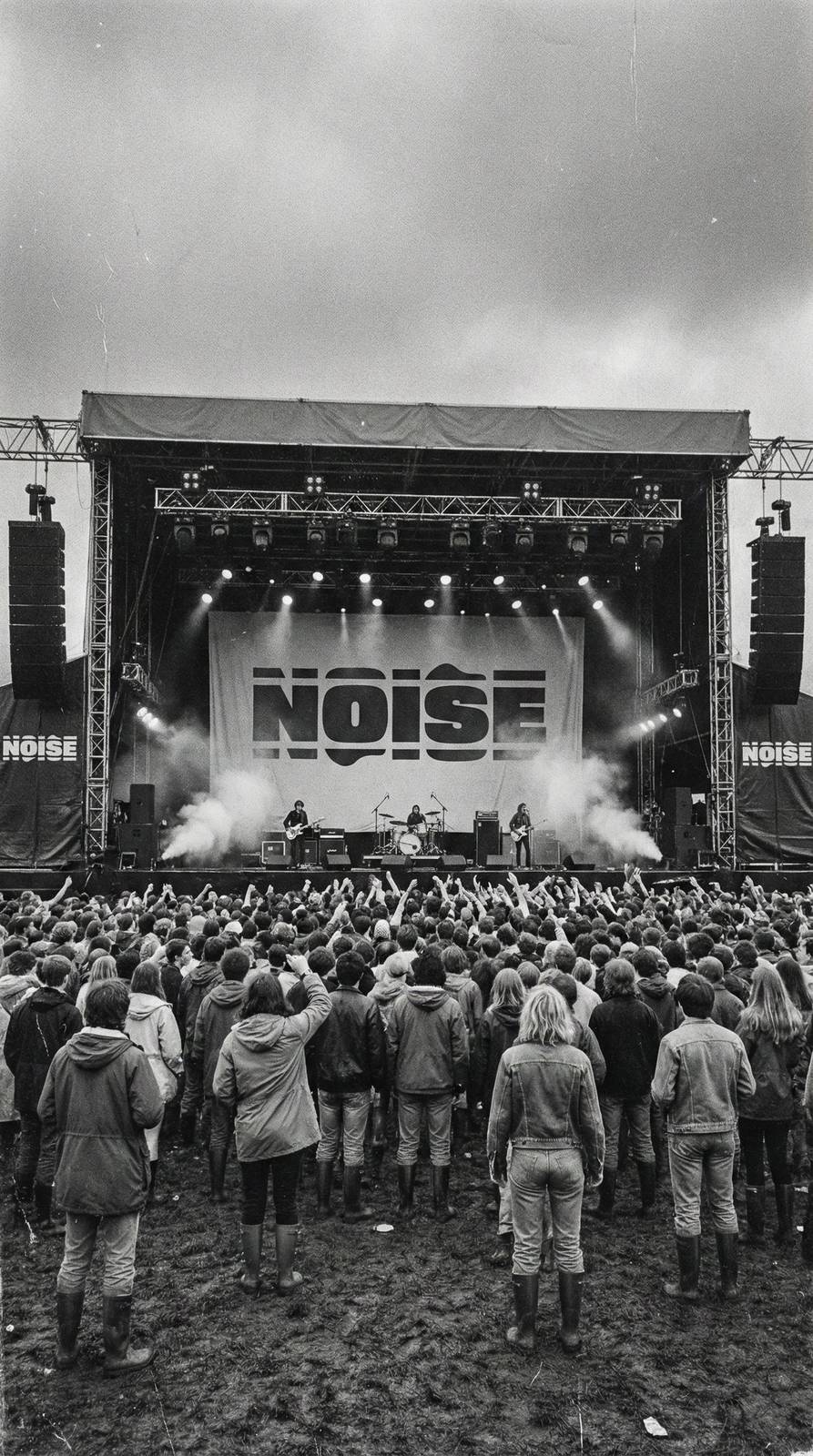
Live performance remains the most reliable income source for musicians at every level. Even emerging artists can earn £100-500 per gig at grassroots venues, and as your draw grows, so do the fees. The key is treating live performance as a business: tracking your costs, negotiating fairly, and building repeat relationships with venues and promoters.
Merchandise is the live performance multiplier. The average gig-goer spends £15-25 on merch at a show they've enjoyed. For a 200-person gig, that's potentially £3,000-5,000 in merch revenue — often more than the performance fee itself.
Keep merch simple and high-quality. A well-designed t-shirt, a vinyl or CD of your latest release, and maybe a tote bag or poster. Don't overstock — start small, gauge demand, and reorder. Print-on-demand services like Printful and Merch by Amazon reduce upfront costs at the expense of margins.
Digital Products and Services
The revenue streams that many artists overlook are digital products and services. If you have production skills, selling sample packs and preset banks can generate passive income. Splice, Loopmasters, and Bandcamp are all platforms where you can sell sounds to other producers.
Teaching is another underutilised income source. Private lessons (in-person or via Zoom), online courses, and tutorial content on YouTube or Skillshare all leverage your expertise. A production tutorial channel on YouTube can generate significant ad revenue while also promoting your music and building authority.
Patreon and membership models work especially well for artists with engaged communities. Offering early access to releases, behind-the-scenes content, exclusive tracks, and direct interaction for a monthly fee creates predictable recurring revenue.
The goal is diversification. No single revenue stream is enough on its own, but a combination of streaming, live performance, sync, merch, and digital products can absolutely sustain a full-time music career. Map out every potential income source, invest time in the ones that play to your strengths, and build from there.



Comments
No comments yet. Be the first to share your thoughts.