

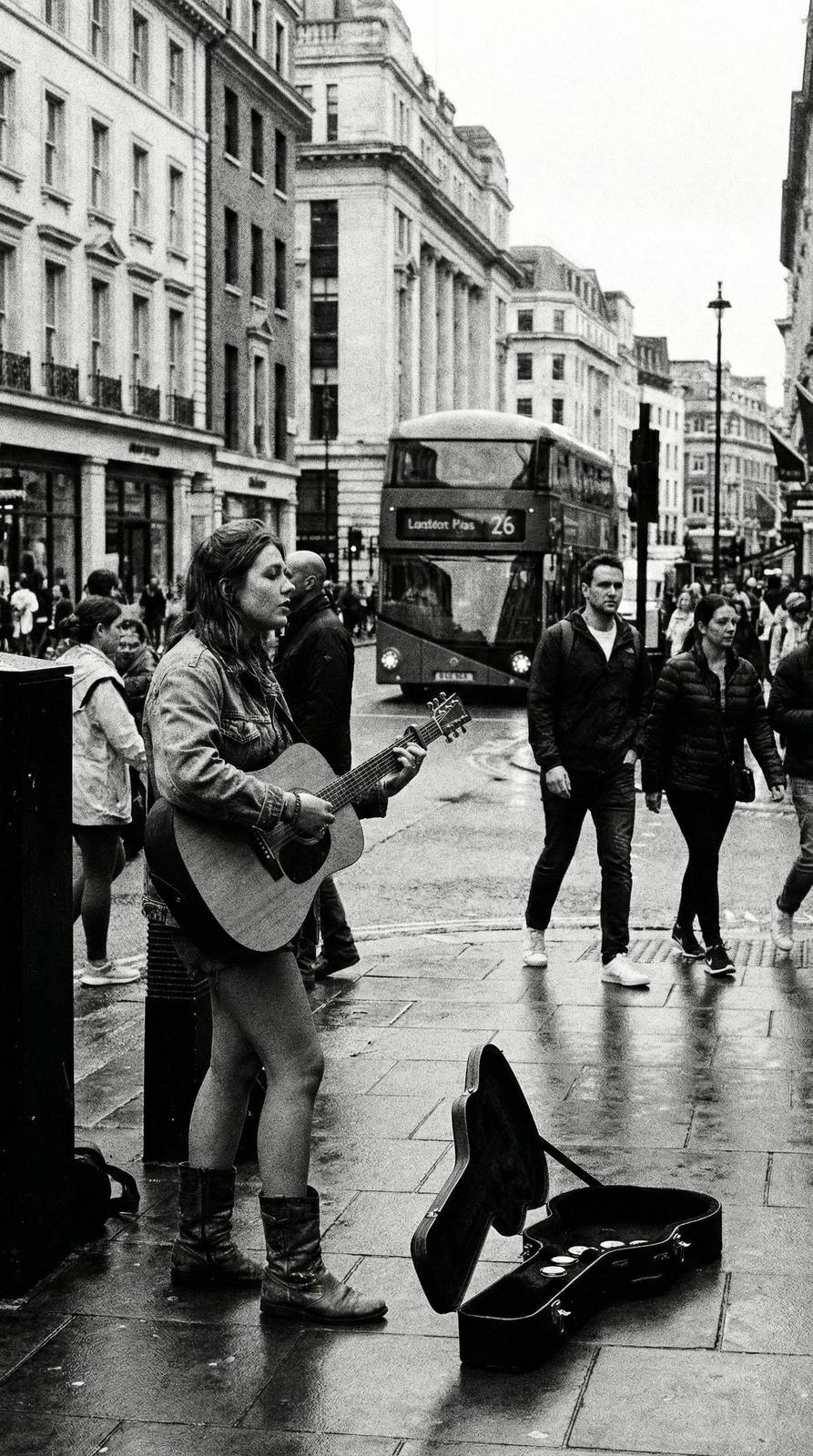
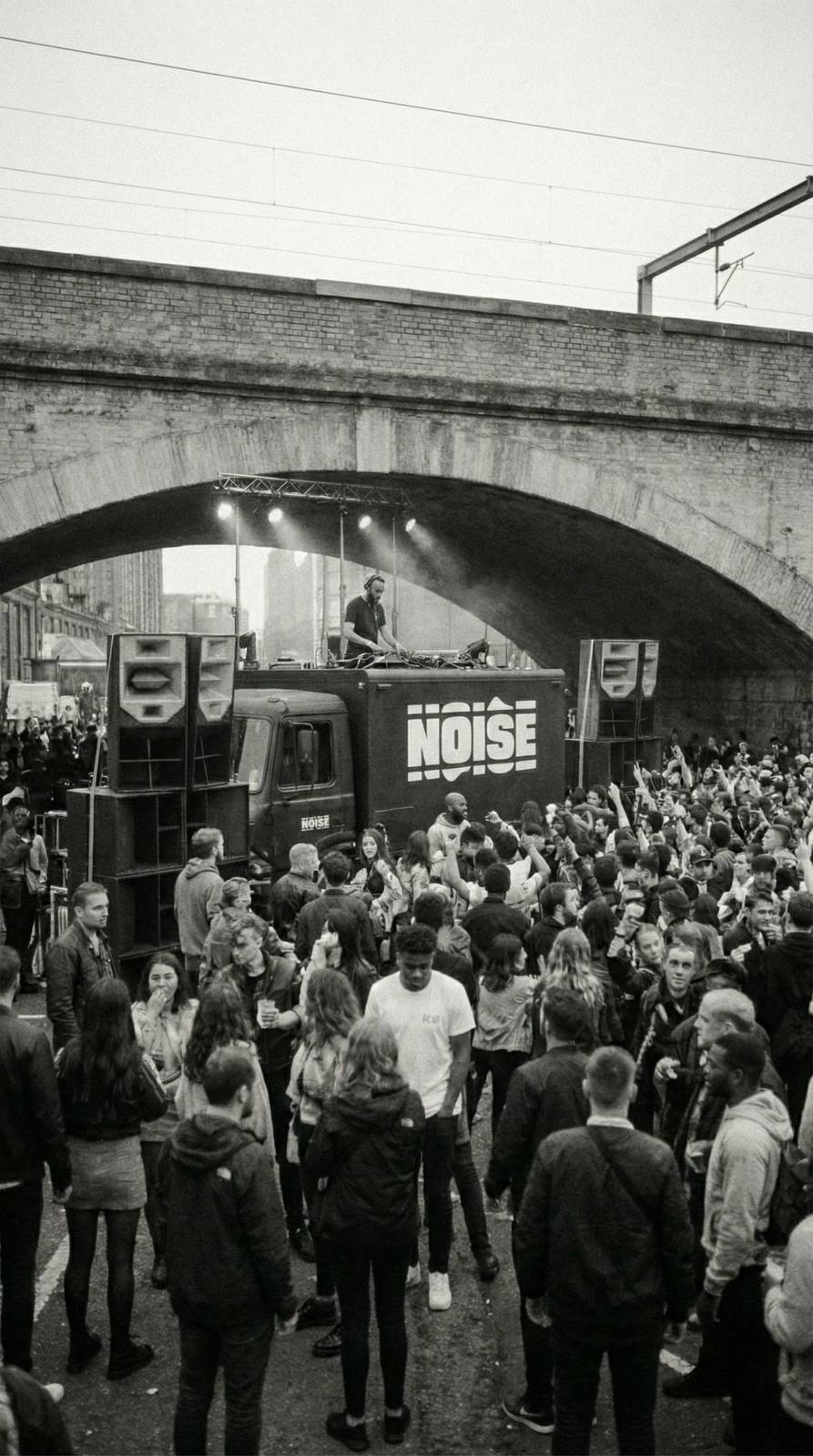
Open mic nights are the seedbed of live music culture. Here's how to run one that artists actually want to play and audiences actually want to attend.
TL;DR
A great open mic needs consistent scheduling, quality sound, respectful time limits, a welcoming atmosphere, and promotion that reaches beyond the usual suspects. Treat it as a community event, not just a gig night.
Why Open Mics Matter More Than Ever
In an era of bedroom production and digital distribution, open mic nights might seem anachronistic. They're not. They're one of the last spaces where music exists purely in the moment — where the connection between performer and audience is unmediated by screens, algorithms, or production polish.
For emerging artists, open mics serve a function that no streaming platform can replicate: the experience of performing to strangers. That first open mic set — the nerves, the feedback, the reality check of whether your music connects with real humans — is a formative experience that shapes artists' careers.
For communities, open mics are gathering points. They bring together musicians, music lovers, and curious bystanders in a shared space. In towns and cities where grassroots venues are closing, a well-run open mic at a pub or community space can become the nucleus of an entire local music scene.
The Logistics That Make or Break It
Venue: You need a space that's comfortable for both performers and audience. A dedicated performance area (even if it's just a corner with a rug and some lights) creates focus. The pub backroom with sticky carpets and broken speakers will kill your night before it starts.
Sound: This is non-negotiable. A basic but functional PA system — two speakers, a small mixer, a vocal mic, a DI box for instruments — is the minimum. Performers will forgive a lot of things but they won't forgive being inaudible. Budget £200-500 for a basic PA setup that'll serve you for years.
Scheduling: Pick a night, pick a time, and never change it. 'Every Tuesday at 8pm' is infinitely more effective than 'occasional Tuesdays when we feel like it.' Consistency builds habit, and habit builds audience.
Time limits: 10-15 minutes per act, strictly enforced but kindly communicated. This keeps the night moving, ensures everyone gets a fair slot, and prevents the dreaded 20-minute acoustic set that empties the room.
Creating the Right Atmosphere
The difference between a great open mic and a mediocre one is atmosphere. The audience needs to feel that listening is the primary activity, not background noise to their conversations. The performers need to feel supported, not judged.
A good host is essential. Someone who introduces acts with genuine enthusiasm, keeps the energy up between sets, and makes first-timers feel welcome. The host sets the tone for the entire evening — choose someone with warmth, humour, and respect for the performers.
Encourage applause. It sounds obvious, but some audiences need permission to clap. A host who enthusiastically applauds every act, regardless of ability, creates a culture of support that makes performers feel valued.
Discourage phones (gently). A room full of people staring at their phones while someone performs is soul-destroying. You can't ban phones, but you can create a culture where attentive listening is the norm.
Growing Your Open Mic Into Something Bigger
A successful open mic becomes a community asset. Once you've established a regular, well-attended night, here's how to grow it.
Create a social media presence. Share clips from each night (with artist permission), announce upcoming performers, and build an online community around your physical event. Instagram and TikTok are particularly effective for live music content.
Partner with local music organisations. BBC Introducing, local music charities, music schools, and university music departments can all help promote your night and connect you with emerging talent.
Consider themed nights or special events. A songwriters' circle, a battle of the bands, an unplugged night, a genre-specific evening — variations keep the format fresh and attract different audiences.
And always remember the purpose: creating a space where music happens and artists develop. The moment your open mic becomes about profit, ego, or gatekeeping, it stops serving its community. Keep it open, keep it welcoming, and keep it about the music.