

Music education in UK schools is being systematically defunded. The consequences for the next generation of artists — and for culture itself — are devastating.
TL;DR
Music education in UK state schools has been declining for a decade. Fewer schools offer GCSE Music, instrument lessons are increasingly privatised, and the curriculum emphasis on STEM sidelines creative subjects. This isn't just bad for music — it's bad for society.
The Numbers Are Damning
The decline of music education in UK state schools is not a perception — it's a statistical reality. The number of students taking GCSE Music has fallen by over 20% in the last decade. A-Level Music entries have seen similar declines. Many state schools have reduced or eliminated dedicated music teaching, and where music remains on the curriculum, it's often taught by non-specialist teachers with limited resources.
The contrast with private education is stark. Independent schools continue to invest heavily in music education — dedicated music departments, multiple instrument teachers, orchestras, choirs, recording studios. The result is a widening gap where musical opportunity increasingly correlates with family wealth.
This isn't an accident. Government education policy has systematically deprioritised creative subjects in favour of STEM and the EBacc (English Baccalaureate), which doesn't include music. Schools responding to league table pressures have cut music to fund subjects that 'count' for their Ofsted ratings.
Why This Matters Beyond Music
The argument for music education extends far beyond producing the next generation of musicians. Research consistently shows that music education improves cognitive development, social skills, emotional regulation, and academic performance in other subjects.
Studies from the Education Endowment Foundation demonstrate that children who participate in music education show measurably better outcomes in literacy, numeracy, and attendance. Music develops skills — collaboration, discipline, creative problem-solving, emotional intelligence — that are valuable in every career path.
Culturally, music education ensures that understanding and appreciation of music passes to the next generation. A country that doesn't teach its children music is a country that's depleting its cultural capital.
And economically, the UK music industry contributes over £6.7 billion to the economy annually. That industry requires a pipeline of skilled musicians, producers, engineers, managers, and technicians — a pipeline that begins in school music classrooms.
The Social Mobility Dimension
The privatisation of music education has profound social mobility implications. When instrument lessons cost £30-50 per hour privately, only families with disposable income can afford to give their children musical training. The state school student whose family can't afford private lessons is effectively locked out of musical development.
Historically, many of the UK's greatest musicians came from working-class backgrounds and accessed music through school programmes, youth orchestras, and community music groups. The systematic defunding of these pathways means the next generation's musical talent will be drawn disproportionately from privilege.
This isn't just about fairness — though fairness should be reason enough. It's about the quality and diversity of UK music. The genres and innovations that have made British music globally significant — punk, jungle, grime, dubstep — overwhelmingly originated in working-class communities. Remove the pathways that allow working-class children to develop musical skills, and you remove the source of the UK's most vital cultural exports.
What Needs to Change
The solutions are straightforward, even if the political will is lacking.
Music should be included in the EBacc and given equal status with STEM subjects in school performance metrics. This single policy change would immediately reverse the incentive for schools to cut music provision.
Ring-fenced funding for music education — instrument loans, peripatetic teaching, recording equipment — should be available to every state school. The Music Hubs programme exists but is under-resourced and inconsistently delivered.
Community music organisations need sustainable funding. Groups like Youth Music, Music for Youth, and local music charities provide essential development pathways for young people who don't have access to school music provision. Their work is invaluable and consistently underfunded.
And the music industry itself needs to step up. Corporate social responsibility budgets, artist-funded scholarships, and industry partnership with schools can supplement (though not replace) government provision.
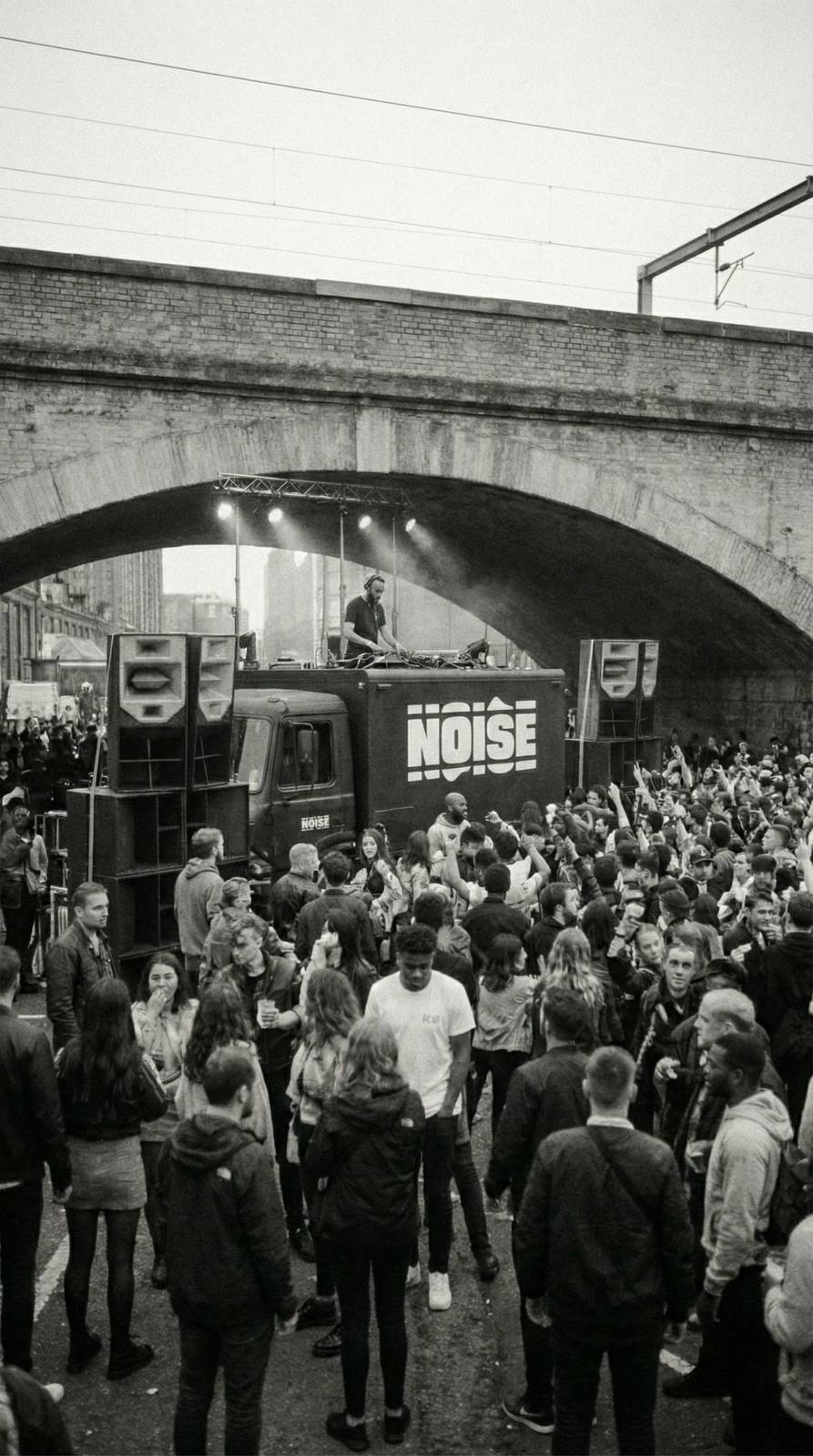
At Noise, music education is personal. We exist because we believe every emerging artist deserves a shot, regardless of background. But artists can't emerge if they never get the chance to start. Music education is where it all begins, and its decline is a crisis that affects everyone who cares about the future of music.

Comments
No comments yet. Be the first to share your thoughts.