





We need to stop defining music success as fame and fortune. Here's what a sustainable, fulfilling music career actually looks like in 2025.
TL;DR
The binary 'made it or didn't' narrative is toxic and inaccurate. Success in music is a spectrum, and defining it solely as fame and wealth ignores the thousands of artists sustaining fulfilling careers through teaching, sessions, sync, live performance, and diverse income streams.
The Binary Is Broken
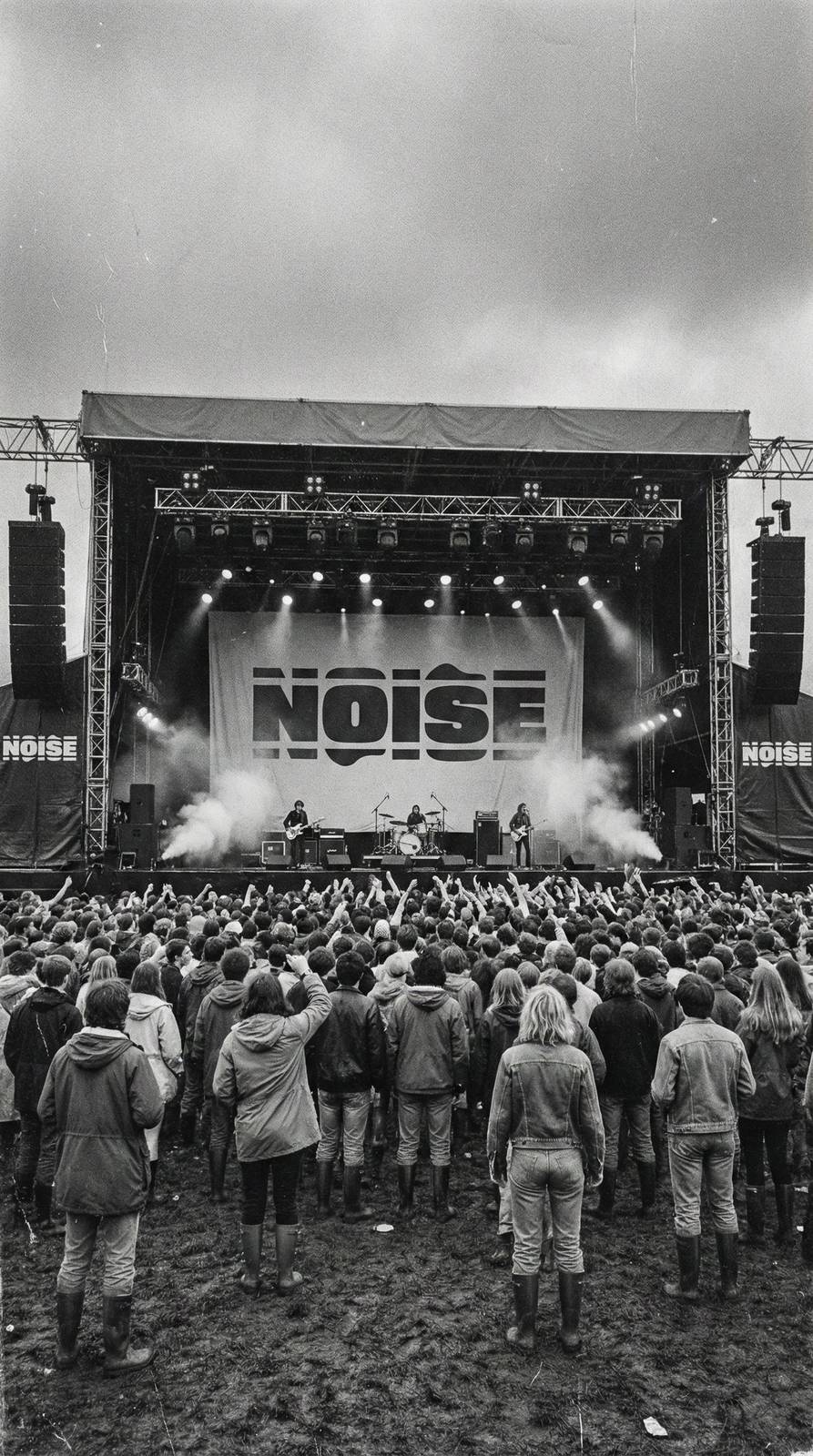
The music industry sells a narrative of binary outcomes: you either 'make it' (fame, fortune, Glastonbury main stage) or you don't (failed musician, time to get a real job). This framing is toxic, inaccurate, and responsible for countless artists abandoning fulfilling creative lives because they didn't achieve an arbitrary and unrealistic definition of success.
The reality is that music careers exist on a vast spectrum. Between 'household name' and 'gave up music entirely' lie thousands of working musicians sustaining creative lives through diverse, interconnected income streams. They're session musicians, producers-for-hire, music teachers, sync composers, wedding band members, studio engineers, and part-time musicians with complementary day jobs. They're making music, making money, and finding fulfilment — but they're invisible in the 'made it or didn't' narrative.
This invisibility matters because it discourages emerging artists from pursuing music at all. If the only versions of music success you see are stadium headliners and chart-toppers, anything less feels like failure. That's an absurd standard that no other profession demands.
What Sustainable Music Careers Actually Look Like
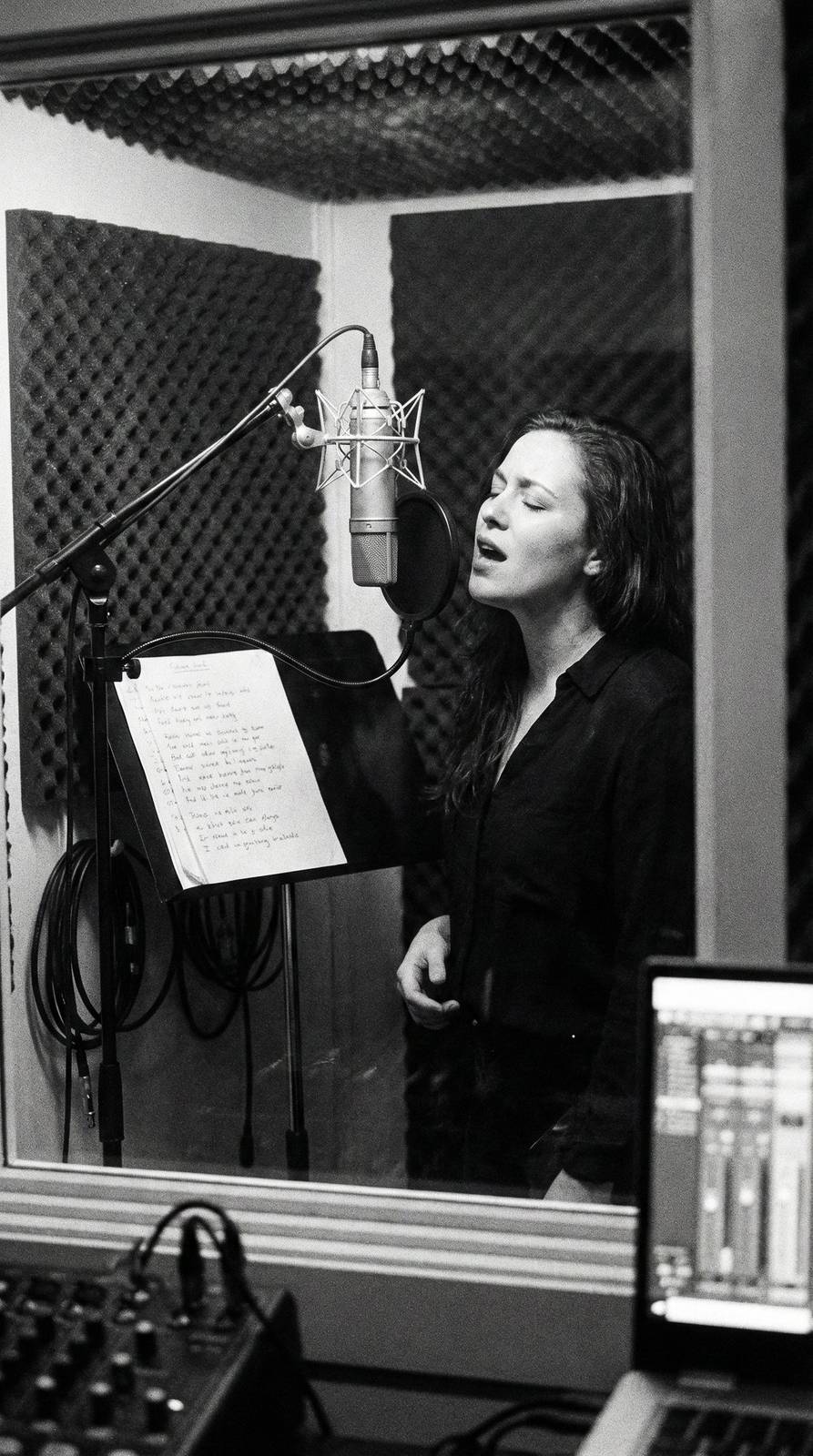
A session drummer who earns £30,000/year from a combination of recording sessions, live gigs, and teaching has 'made it' in any reasonable definition. They're making a living doing what they love, contributing to other people's art, and building skills and connections that deepen over time.
An independent artist with 5,000 monthly Spotify listeners, a loyal local following, regular sync placements, and a part-time teaching job has 'made it' too. They're releasing music on their terms, performing to people who genuinely care, and sustaining their creative life without compromising their artistic vision for commercial pressure.
A bedroom producer who earns £500/month from streaming and beat sales while working a day job they enjoy has found a balance that works for them. Music enriches their life without needing to be their sole income source. That's a valid and respectable relationship with creativity.
These examples are not consolation prizes — they're the reality of most successful music careers. The sooner we normalise and celebrate them, the healthier our industry becomes.
The Problem With the Fame Model
Chasing fame as a metric of success creates perverse incentives. Artists optimise for visibility over quality, for viral moments over artistic development, for algorithm-friendly content over genuine creative expression. The pursuit of fame can actively undermine the artistic growth that makes music meaningful.
Fame also doesn't correlate with happiness or financial security as strongly as the narrative suggests. Plenty of famous musicians are miserable, broke (despite apparent wealth), or trapped in contractual obligations that control their creative and personal lives. The 'grass is greener' perception of fame doesn't survive contact with reality.
The 'make it or quit' timeline creates unnecessary urgency that damages decision-making. Artists who feel they need to 'make it' by 25 or 30 take bad deals, make creative compromises, and experience failure anxiety that poisons their relationship with music. Many of the most interesting artists in history didn't find their audience until their 30s, 40s, or beyond.
How to Define Success on Your Terms
Start by asking yourself what you actually want from music. Not what you think you should want, not what Instagram tells you success looks like, but what would genuinely make you feel fulfilled. For some, it's performing to thousands. For others, it's making a living from creative work. For others still, it's simply having music as a meaningful part of their life alongside other things.
Set goals that you control. 'Release an EP this year' is within your control. 'Get signed to a label' is not. 'Play 20 live shows this year' is within your control. 'Go viral on TikTok' is not. Goals you can achieve through your own effort create sustainable motivation; goals that depend on external validation create anxiety.
Celebrate incremental progress. Your first 100 monthly listeners is worth celebrating. Your first paid gig. Your first press feature. Your first sync placement. These milestones are real achievements on the path to a sustainable career, and treating them as such builds the resilience and motivation needed for the long journey.
The Music Industry We Want to Build
At Noise, we believe every person making genuine, heartfelt music is a success. The teenager uploading their first song, the veteran musician still gigging at 60, the part-time producer making beats after work — they're all contributing to the cultural richness that makes music matter.
We're building an industry that celebrates diverse definitions of success, supports sustainable careers at every level, and rejects the toxic binary that only recognises the top 0.01% as having 'made it.' Music isn't a competition with winners and losers — it's a community with infinite room for meaningful contribution.
Define success on your own terms. Pursue it with persistence and integrity. And ignore anyone who tells you that anything less than fame is failure. They're wrong, and the industry they're describing is the one we're working to change.