
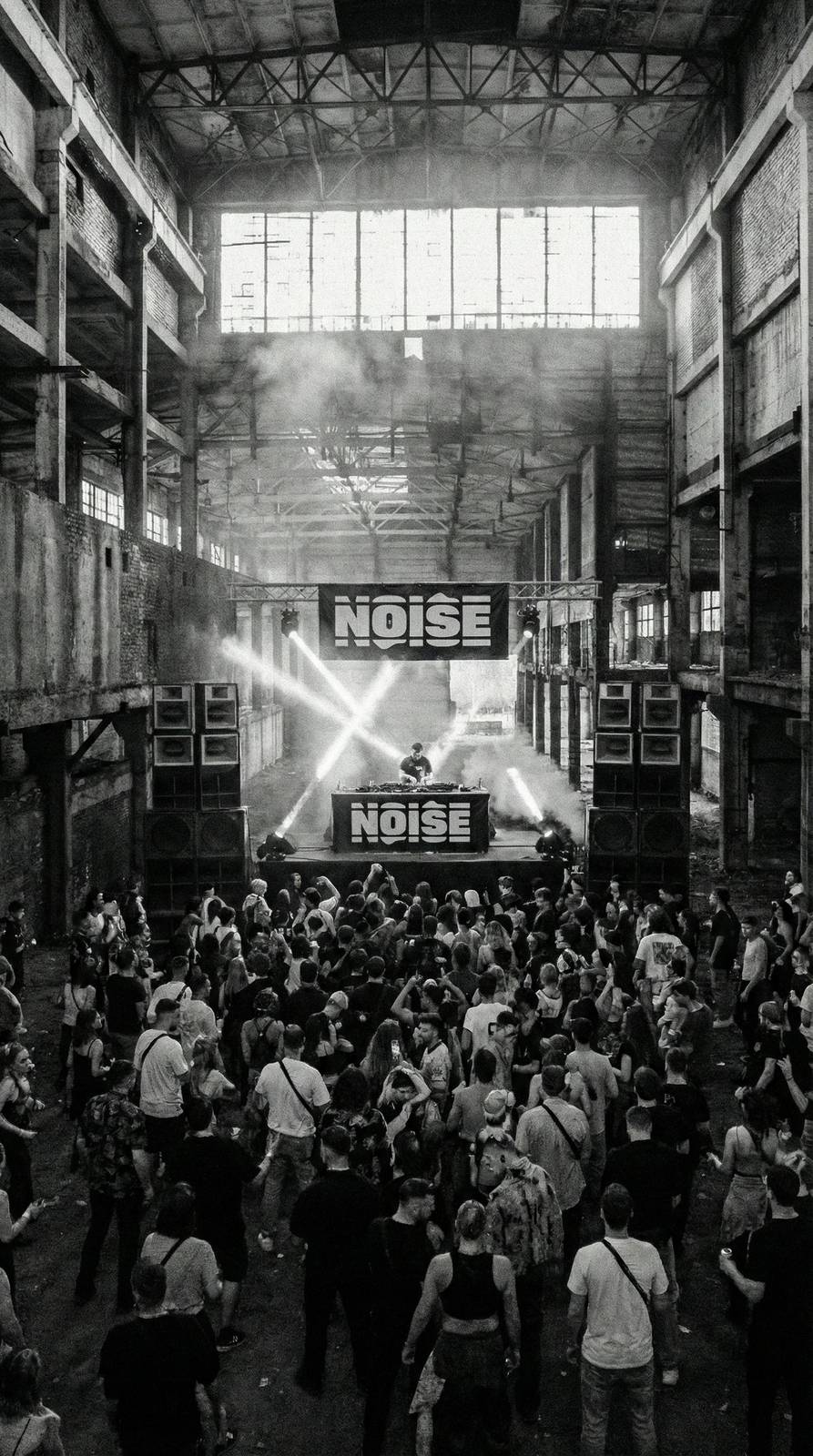

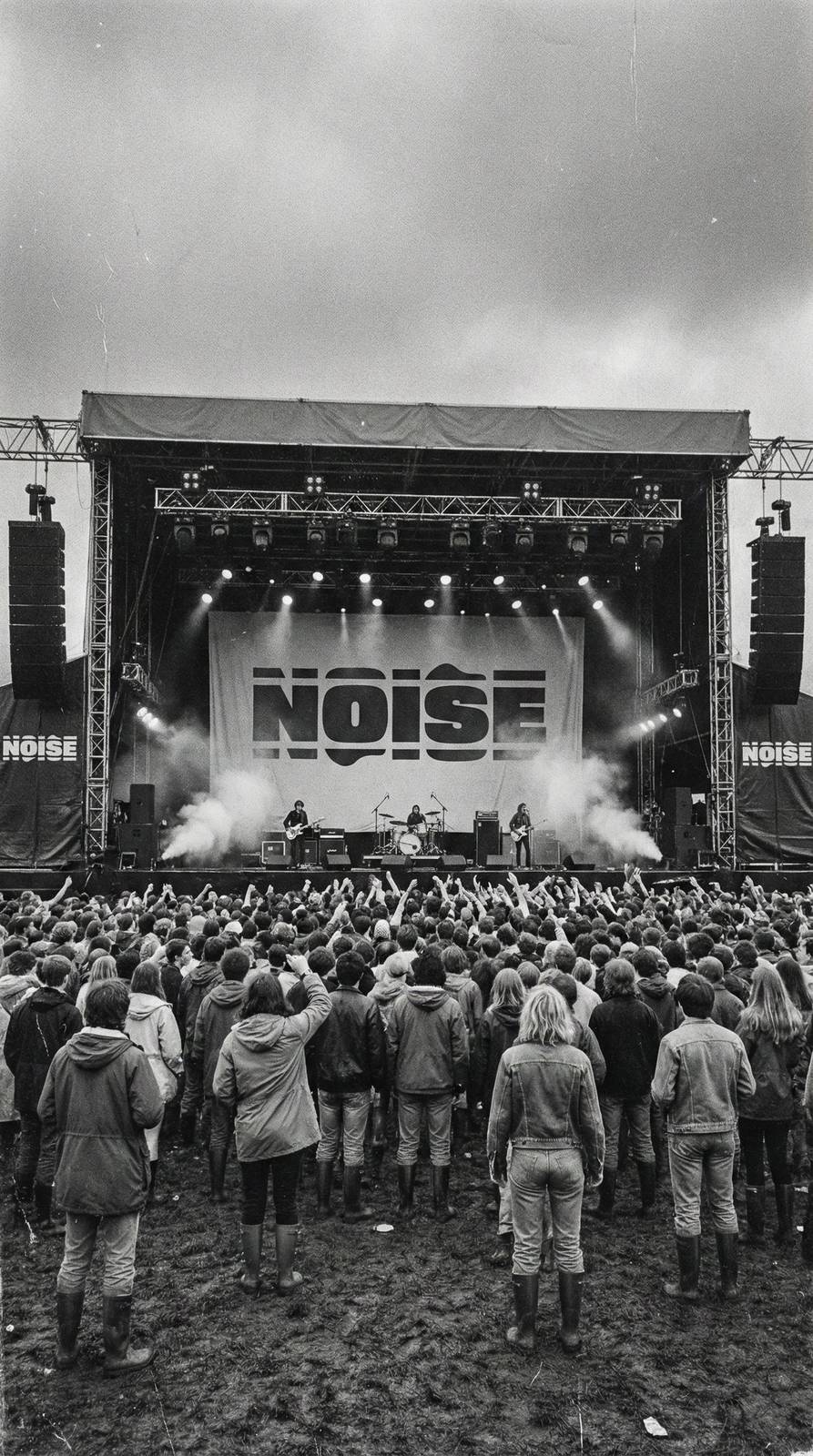
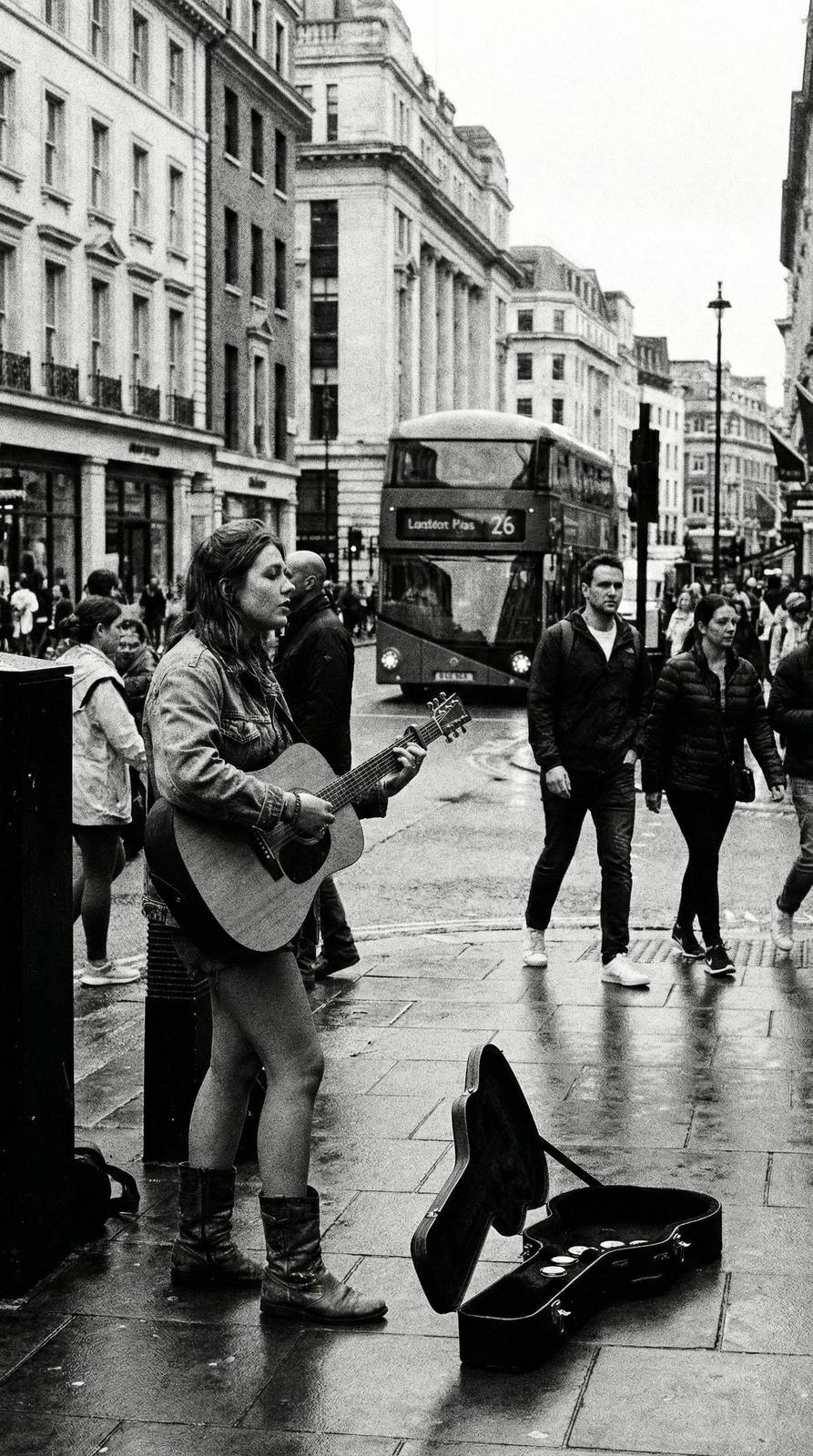
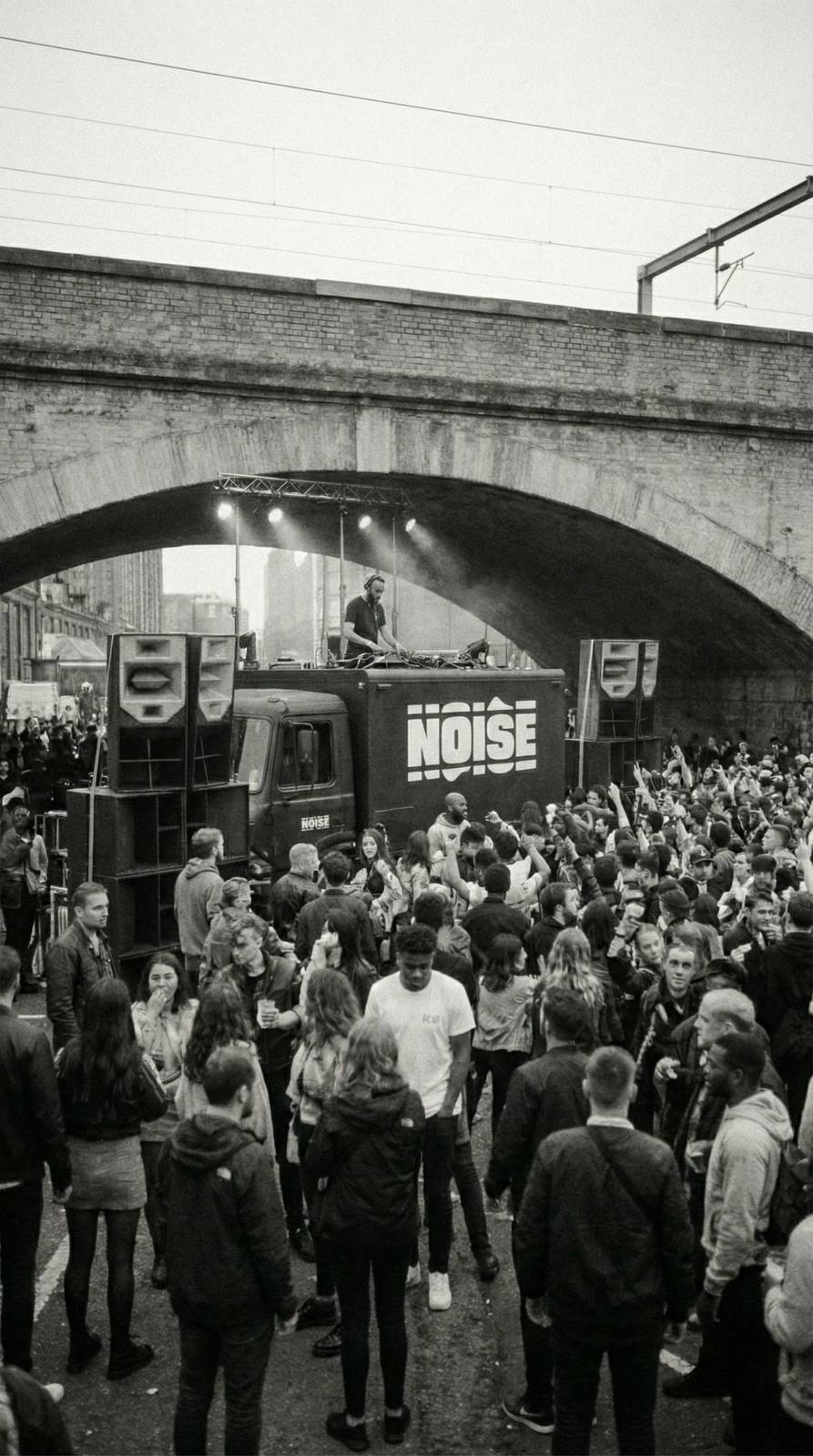
The UK's night-time economy is under threat. Venue closures, noise complaints, and changing habits are reshaping how we experience live music after dark.
TL;DR
UK night-time economy contributes £66B annually and employs 1.3M people. But venue closures, restrictive licensing, and noise complaints from new residential developments threaten live music's high street presence. The Night Time Industries Association and Music Venue Trust are fighting back.
The Economic Case for Night-Time Culture
The UK's night-time economy generates £66 billion annually and employs 1.3 million people. It's not a niche — it's a fundamental pillar of the UK economy. And live music venues are at its heart.
Every pound spent at a live music venue generates additional economic activity. The audience members who buy dinner before the show, drinks during it, and a taxi home afterwards. The touring artists who stay in local hotels and eat at local restaurants. The staff who spend their wages in the local community. The economic multiplier effect of a thriving music venue extends far beyond its doors.
Despite this, local authorities routinely treat night-time venues as problems to be managed rather than assets to be supported. Licensing restrictions, noise abatement notices, and planning decisions that favour residential development over cultural infrastructure all contribute to the ongoing erosion of the UK's live music ecosystem.
The Threats
Residential development near existing venues is the most immediate threat. Despite the Agent of Change principle (which places the responsibility for noise mitigation on the new development rather than the existing venue), enforcement is inconsistent and many venues face noise complaints from residents who moved in next door knowing a music venue was there.
Restrictive licensing makes it increasingly difficult for new venues to open and existing ones to operate. The licensing process is expensive, time-consuming, and biased toward objectors. A single determined complainant can block or restrict a venue's licence regardless of community support.
Changing social habits are also a factor. Younger generations are drinking less and going out less frequently. The post-pandemic shift toward home entertainment has reduced footfall in night-time areas. Venues need to adapt their offerings — diversifying into food, coffee, daytime events, and community use — to survive.
Fighting for the Future
The Night Time Industries Association (NTIA) advocates for policy changes that support the night-time economy. Their campaigns for later licensing hours, reduced business rates for cultural venues, and stronger Agent of Change enforcement have gained political traction.
The Music Venue Trust's work protecting grassroots venues — through emergency funding, the Own Our Venues campaign, and lobbying for policy change — has saved dozens of venues from closure.
Local night-time economy advisors (Night Czars), appointed in several UK cities, provide a voice for night-time culture in planning and policy discussions. London, Manchester, and Amsterdam's Night Mayors have demonstrated that dedicated advocacy can influence decision-making in favour of cultural venues.
For music fans, the most direct action is the simplest: go out. Attend gigs, buy drinks at the bar, spend money in the night-time economy. Every ticket bought and every pint purchased is a vote for the continuation of live music culture on our high streets. The venues fighting for survival need your support — not just your sympathy.