

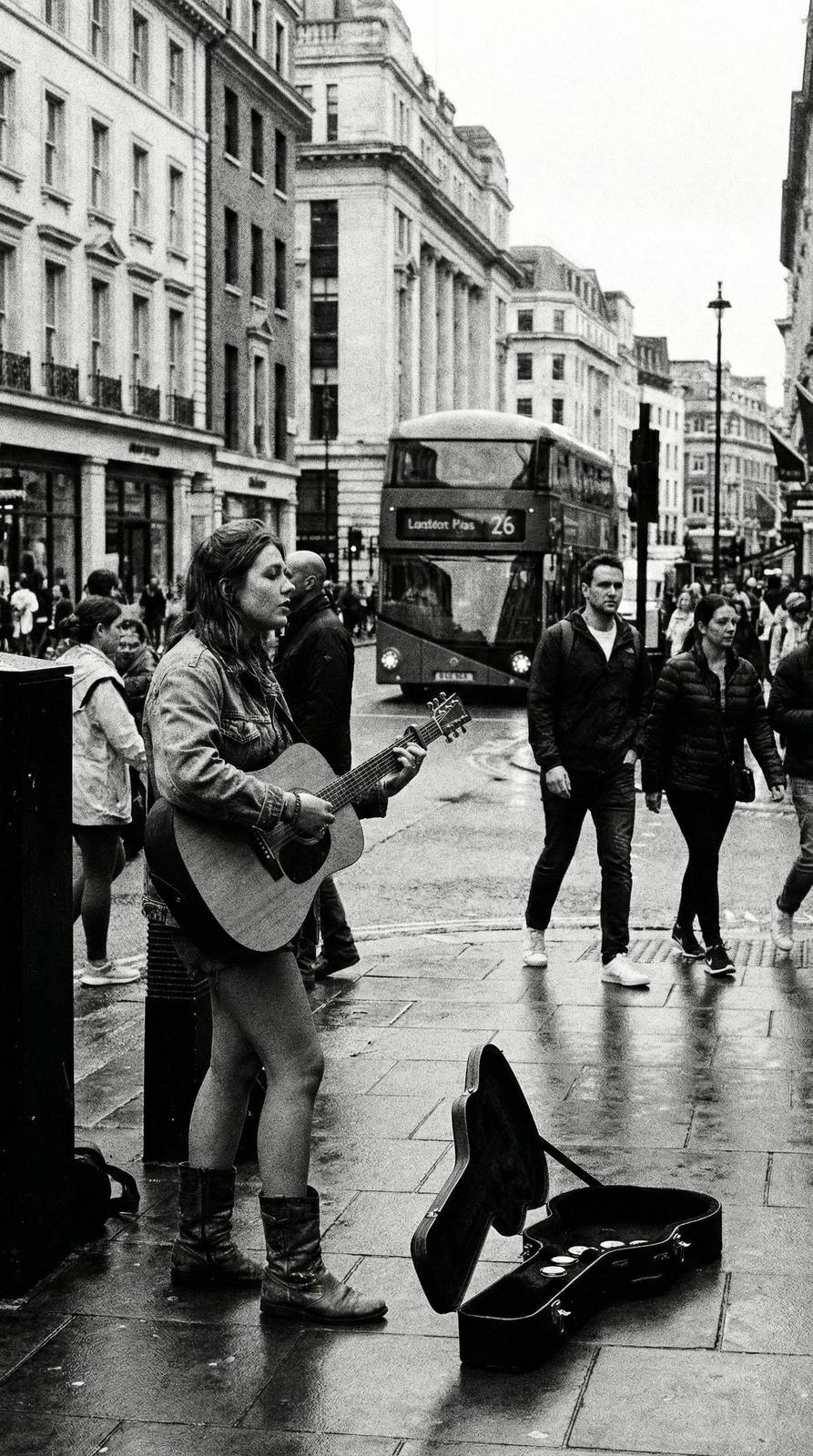
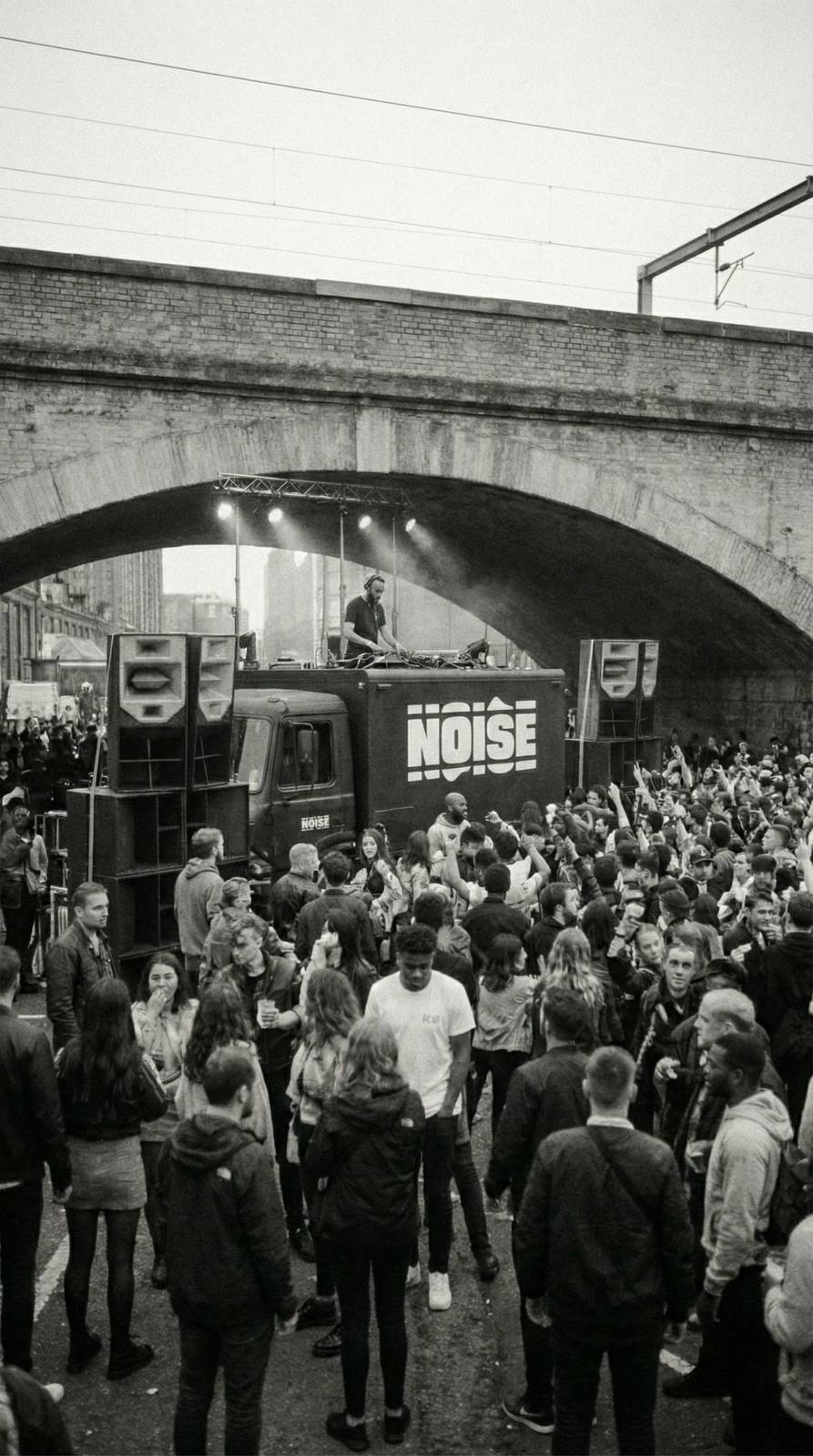
Open mics are more than casual performances — they're networking opportunities, rehearsal spaces, and career launchpads. Here's how to make them count.
TL;DR
Open mic nights develop your stage presence, build local connections, and provide low-pressure performance experience. Bring your best 2-3 songs. Network with other performers and the host. Treat every open mic as practice for bigger stages. Consistency matters more than any single performance.
Getting Started
Live performance and events are where music careers are built. The connections made, the audience reactions felt, and the skills developed through live music cannot be replicated through any other channel. Whether you're playing festivals, organising gigs, or streaming from your bedroom, live engagement with audiences transforms your career.
The practical steps aren't complicated, but they require planning and commitment. This guide breaks down everything you need to know into actionable steps that you can implement immediately, regardless of your current career stage or budget.
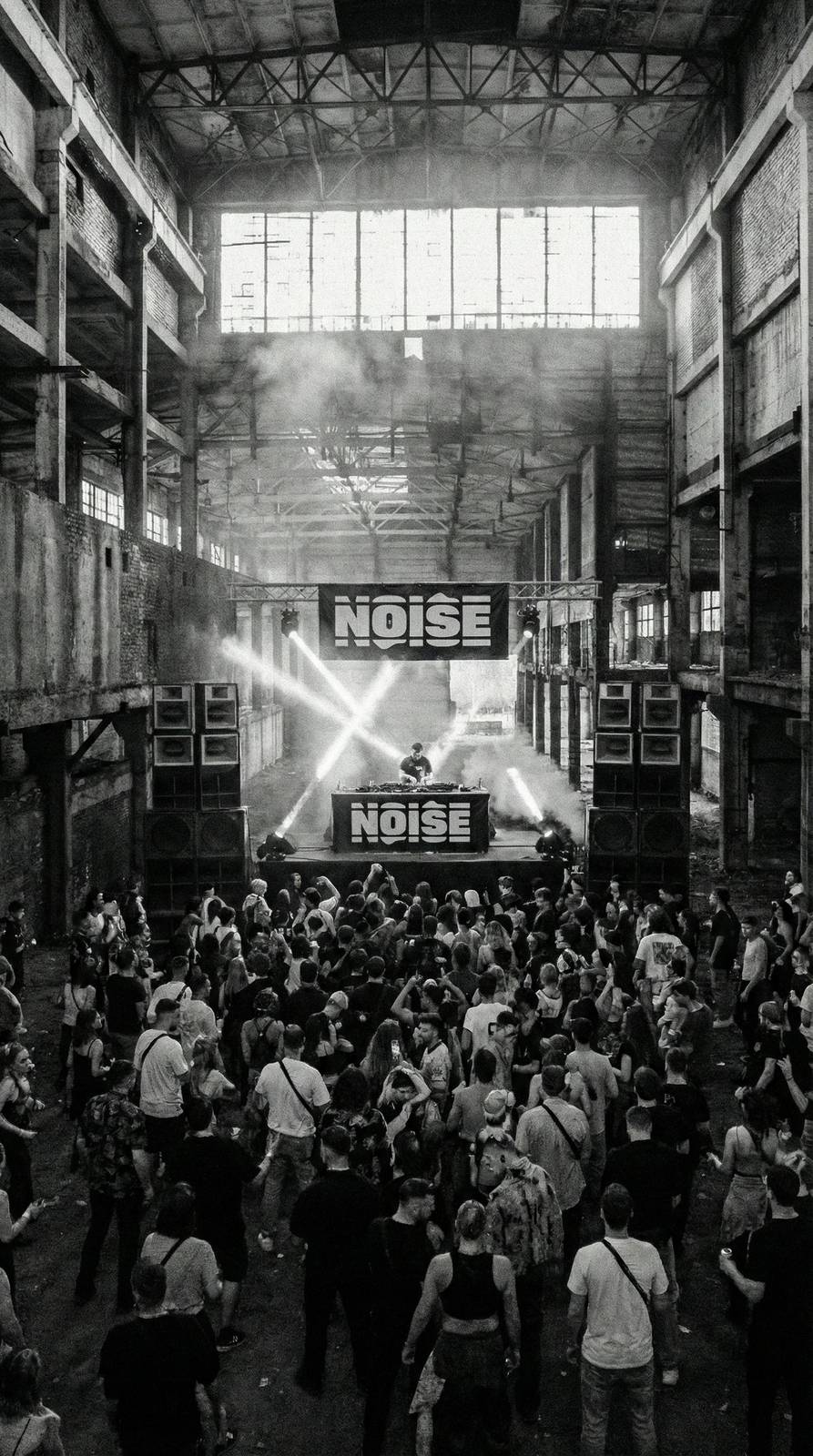
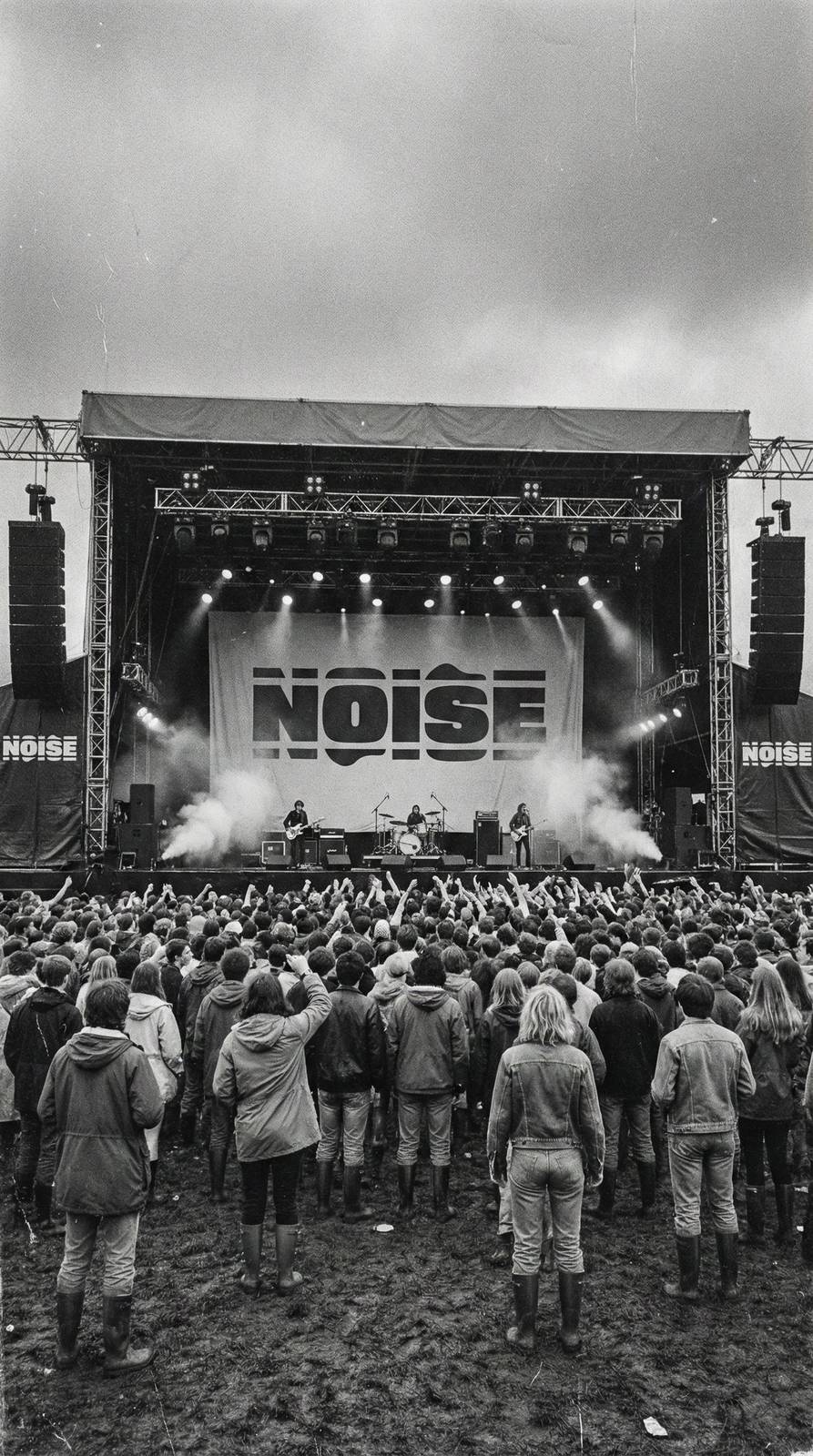
At Noise, we believe every artist should be performing live as early and as often as possible. The stage is where theory becomes practice, where studio recordings become lived experiences, and where fans become community.
Planning and Preparation
Success in live music — whether performing at a festival or organising a gig — depends overwhelmingly on preparation. The performance itself is the tip of the iceberg; the planning, promotion, and logistics beneath the surface determine whether it succeeds.
Create a timeline working backward from the event date. Identify every task that needs completing and assign deadlines. Promotion should start at least 3-4 weeks before any public event. Technical requirements (sound, lighting, staging) should be confirmed at least 2 weeks prior. Rehearsals should be complete at least 1 week before.
Budget realistically. Every event has costs — venue hire, sound equipment, promotion materials, insurance, drinks riders. Understanding these costs before committing prevents financial surprises. Start small and scale up as your experience and audience grow.
Execution and Performance
On the day, arrive early and be prepared for problems. Sound equipment fails. Other acts run late. Weather changes plans. The ability to adapt professionally to unexpected challenges is what separates reliable performers and promoters from unreliable ones.
Perform with total commitment. Whether you're playing to 5 people or 500, every performance deserves your full energy and attention. The audience members present deserve the best show you can give, and the habits you build in small rooms carry through to bigger stages.
Document everything. Photos, videos, and audio recordings from live events become promotional material, social media content, and career archives. Assign someone (a friend, a bandmate, anyone with a phone) to capture content so you can focus on performing.
Follow-Up and Building Momentum
What happens after the event matters as much as the event itself. Follow up with everyone you met — other artists, venue staff, audience members who expressed interest. Send thank-you messages, share content from the event, and maintain the connections you made.
Analyse what worked and what didn't. Were there enough people? Was the sound good? Did the promotion reach the right audience? Honest post-event evaluation is how you improve each time and build a reputation for consistently well-executed events.
Use the momentum to plan the next opportunity. Live music careers are built on consistency — regular performances that build audience familiarity, develop your stage skills, and create an expectation of quality. One great show is a moment; a series of great shows is a career.
At Noise, we champion live music as the beating heart of the music ecosystem. Streaming is important, social media is useful, but nothing replaces the irreplaceable magic of live performance. Get on stage, get in rooms, and make the connections that no algorithm can facilitate.