

Protecting Your Hearing: The Musician's Most Important Investment
Hearing damage is irreversible and endemic in the music industry. Here's how to protect your ears without compromising your music.
TL;DR
Noise-induced hearing loss and tinnitus affect a huge percentage of musicians. Custom moulded earplugs (£100-200) are the best investment you'll ever make. Monitor at lower volumes. Take regular breaks. Your ears are irreplaceable.
The Scale of the Problem
Hearing damage is one of the music industry's most significant occupational hazards, and it's vastly underreported. Studies suggest that musicians are nearly four times more likely to develop noise-induced hearing loss and 57% more likely to develop tinnitus than the general population.
The damage is cumulative and irreversible. Every loud rehearsal, every gig without ear protection, every mixing session at high volume contributes to permanent damage that no treatment can reverse. The tiny hair cells in your inner ear that convert sound waves into electrical signals, once damaged, don't regenerate.
Tinnitus — the perception of ringing, buzzing, or hissing in the absence of external sound — is particularly devastating for musicians. The constant noise can make mixing impossible, performing unbearable, and sleeping difficult. Several high-profile musicians have spoken publicly about tinnitus ending or severely limiting their careers.
Custom Moulded Earplugs: The Essential Investment
Custom moulded earplugs are the single most important piece of equipment a musician can own. Unlike foam earplugs (which muffle sound unevenly, cutting high frequencies disproportionately), custom moulds with flat-attenuation filters reduce volume evenly across the frequency spectrum.
This means music sounds the same — just quieter. You can hear conversation, monitor your performance, and enjoy a gig while reducing harmful volume levels by 15-25dB depending on the filter choice.
Custom moulds cost £100-200 from an audiologist, including the ear impression and interchangeable filters. Many audiologists offer musician-specific services. The investment is trivially small compared to the value of your hearing — and the cost of treating hearing damage later in life.
For those who can't yet afford custom moulds, high-fidelity universal-fit earplugs (like the Loop Experience or Etymotic ER20XS at £20-30) are significantly better than nothing and dramatically superior to foam plugs.
Studio and Performance Habits
Monitor at lower volumes than you think you need. Your ears are most accurate at moderate levels — roughly conversational volume for close-field monitoring. Mixing loud flatters everything and fatigues your ears within minutes. Lower volumes improve both your hearing health and your mix decisions.
Take breaks. The 20-20-20 rule applies to ears as well as eyes: every 20 minutes, take a 20-second break from audio. During long mixing or production sessions, take 10-minute silence breaks every hour.
Use headphones carefully. Because headphones deliver sound directly to your ears, the perceived loudness is higher than equivalent speaker levels. Keep headphone volume moderate and limit sessions to 60-90 minutes before taking a break.
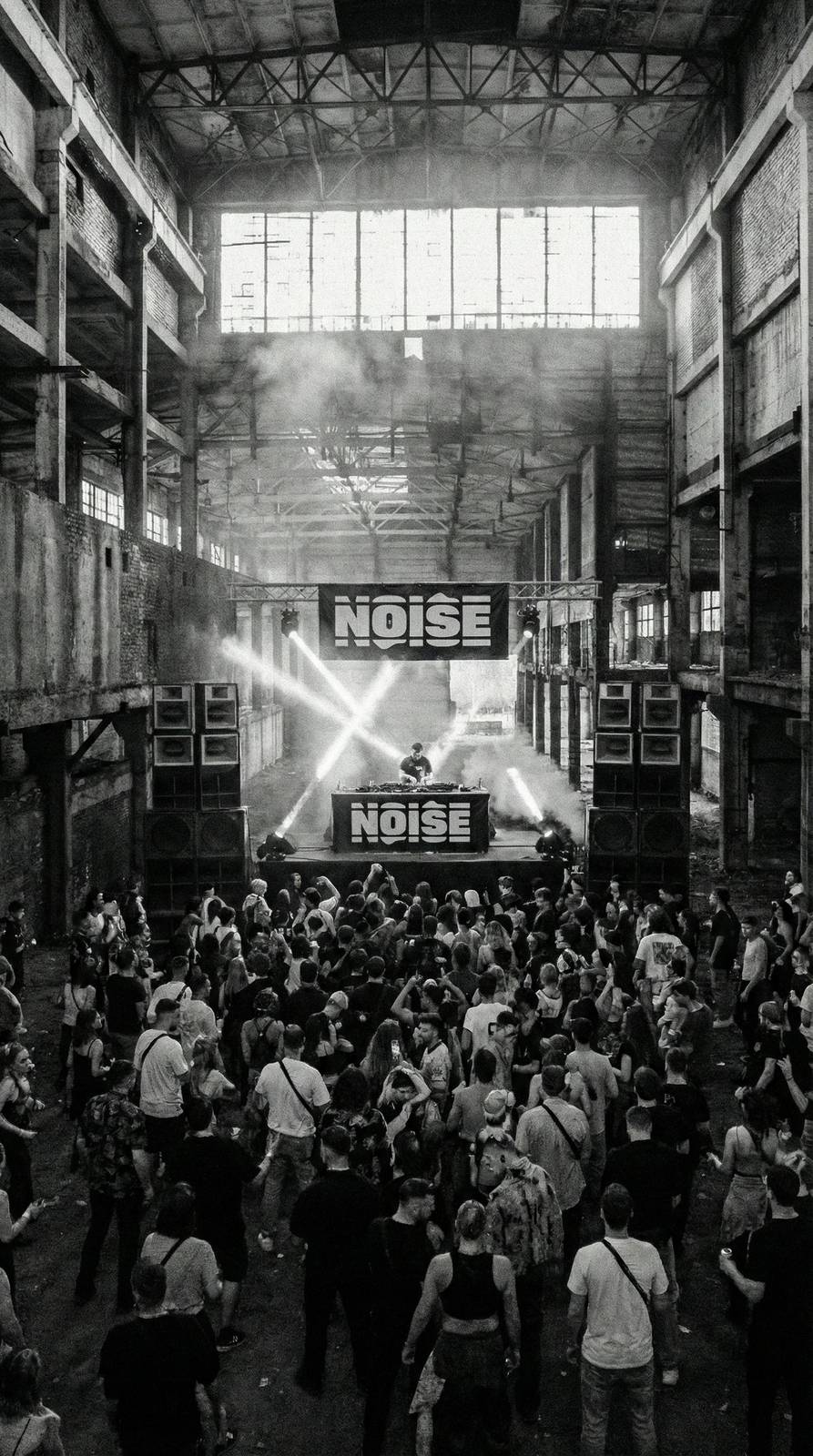
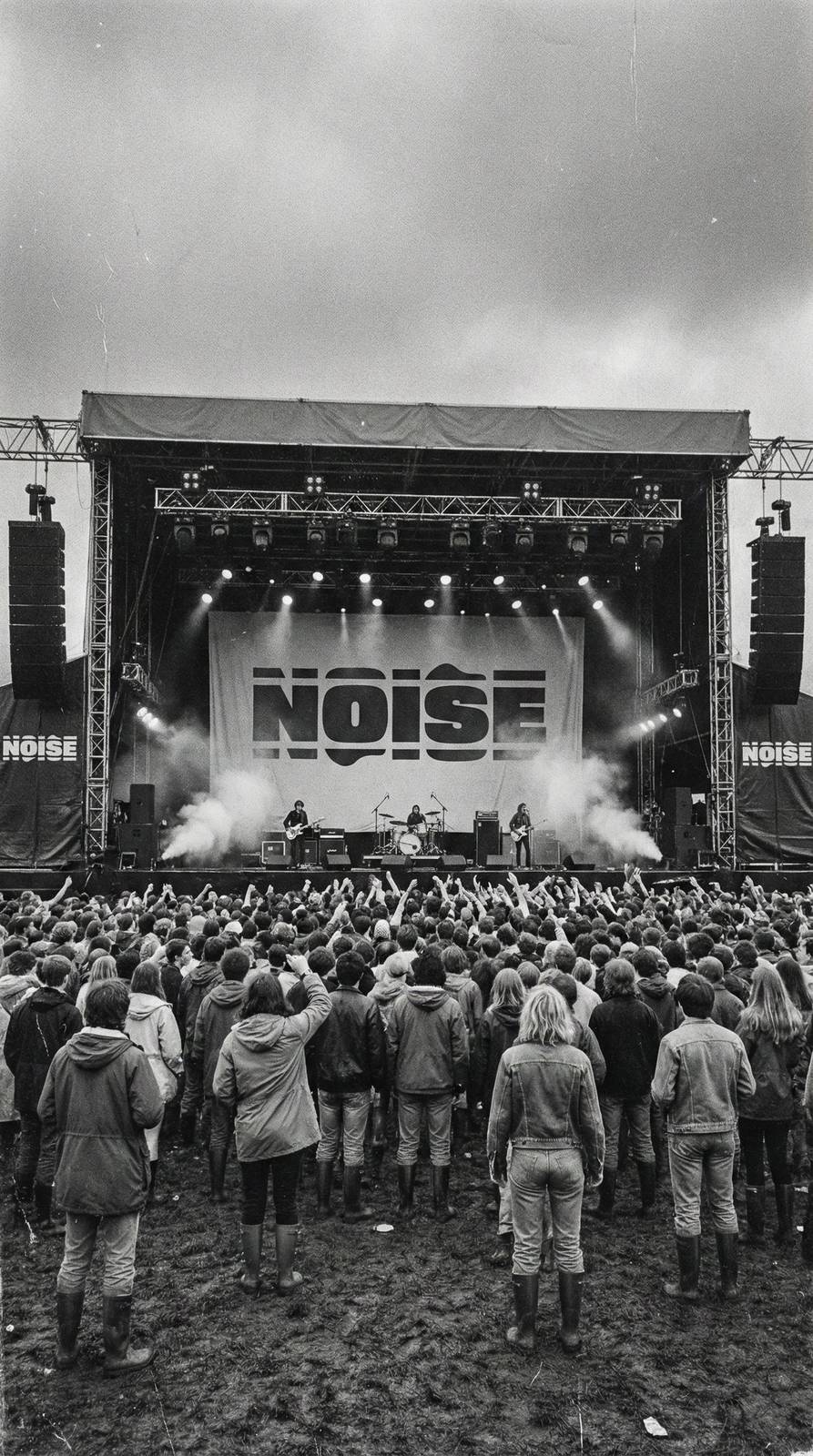
At live shows, always use ear protection — whether you're performing or in the audience. A typical rock gig generates 100-115dB, well above the 85dB threshold where damage begins. Custom moulds let you enjoy the full musical experience while protecting your hearing.
Your ears are the most important tools in your musical career. Every other piece of equipment can be replaced. Your hearing cannot. Protect it with the same seriousness you'd protect your most valuable instrument.
Comments
No comments yet. Be the first to share your thoughts.