


The Rise of the Bedroom Producer: How Home Studios Changed Music Forever
From four-track cassettes to laptop DAWs, bedroom production has gone from novelty to norm. Here's the revolution, the pioneers, and what it means for music's future.
TL;DR
Bedroom production has democratised music creation more than any other development in music history. The combination of affordable hardware, powerful free software, and direct distribution has removed every barrier except talent and dedication. The next generation of iconic artists is being made in bedrooms right now.
From Four-Track to Infinite Tracks
The lineage of bedroom production stretches back further than most people realise. Bruce Springsteen recorded 'Nebraska' on a four-track cassette recorder in 1982. Daniel Johnston recorded his entire early catalogue on a boombox. The impulse to create music at home, away from studios and gatekeepers, is as old as recording technology itself.
What's changed isn't the impulse — it's the capability. A four-track cassette gave you four tracks of hissy, lo-fi audio. A laptop in 2025 gives you unlimited tracks of pristine 24-bit audio, thousands of virtual instruments, AI-assisted mixing, and direct global distribution. The creative constraint that used to be technological is now purely artistic.
This shift happened gradually and then all at once. The early 2000s saw the rise of affordable audio interfaces and basic DAW software. The 2010s brought free plugins that rivalled expensive alternatives. The 2020s delivered AI tools, stem separation, and direct-to-streaming distribution. Each wave lowered another barrier, until the only remaining barrier is having something worth saying.
The Cultural Impact of Democratised Production
When anyone can make music, the range of perspectives in music explodes. Bedroom production has brought voices into music that professional studio culture excluded — voices from marginalised communities, rural areas, developing countries, and demographics that never had access to recording studios.
Genres have been born entirely from bedroom production. Chillwave, vaporwave, hyperpop, bedroom pop, lo-fi hip-hop — these genres exist because artists without studio access created distinctive aesthetics from the constraints and character of home recording. The 'limitations' of bedroom production became deliberate creative choices.
The economic implications are profound. The music industry's old model required massive investment in studio time, manufacturing, and distribution. The new model requires a laptop and an internet connection. This hasn't just changed who makes music — it's changed the power dynamics of the entire industry, shifting leverage from labels and studios toward artists and their audiences.
The Skills That Matter in Bedroom Production
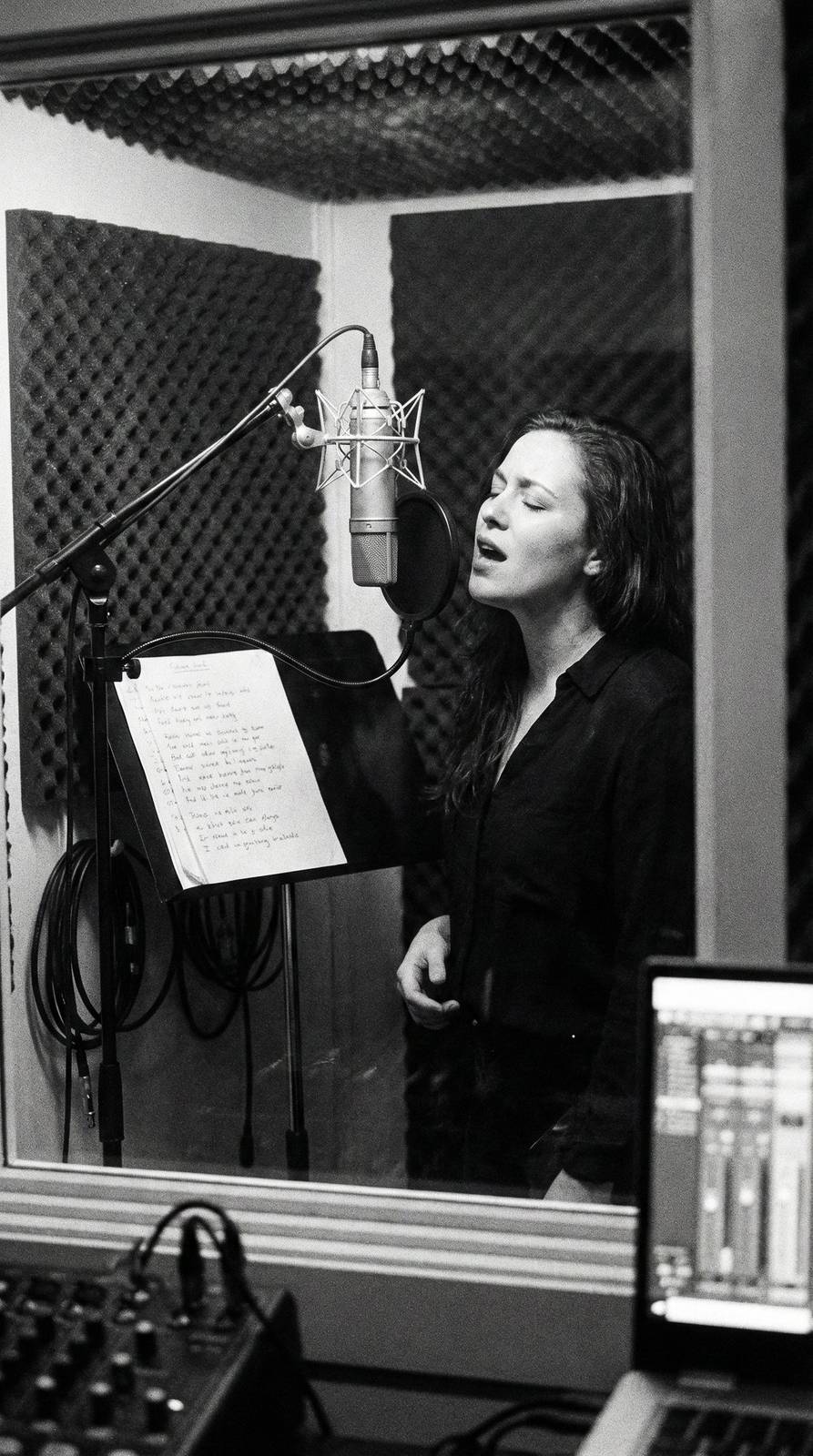
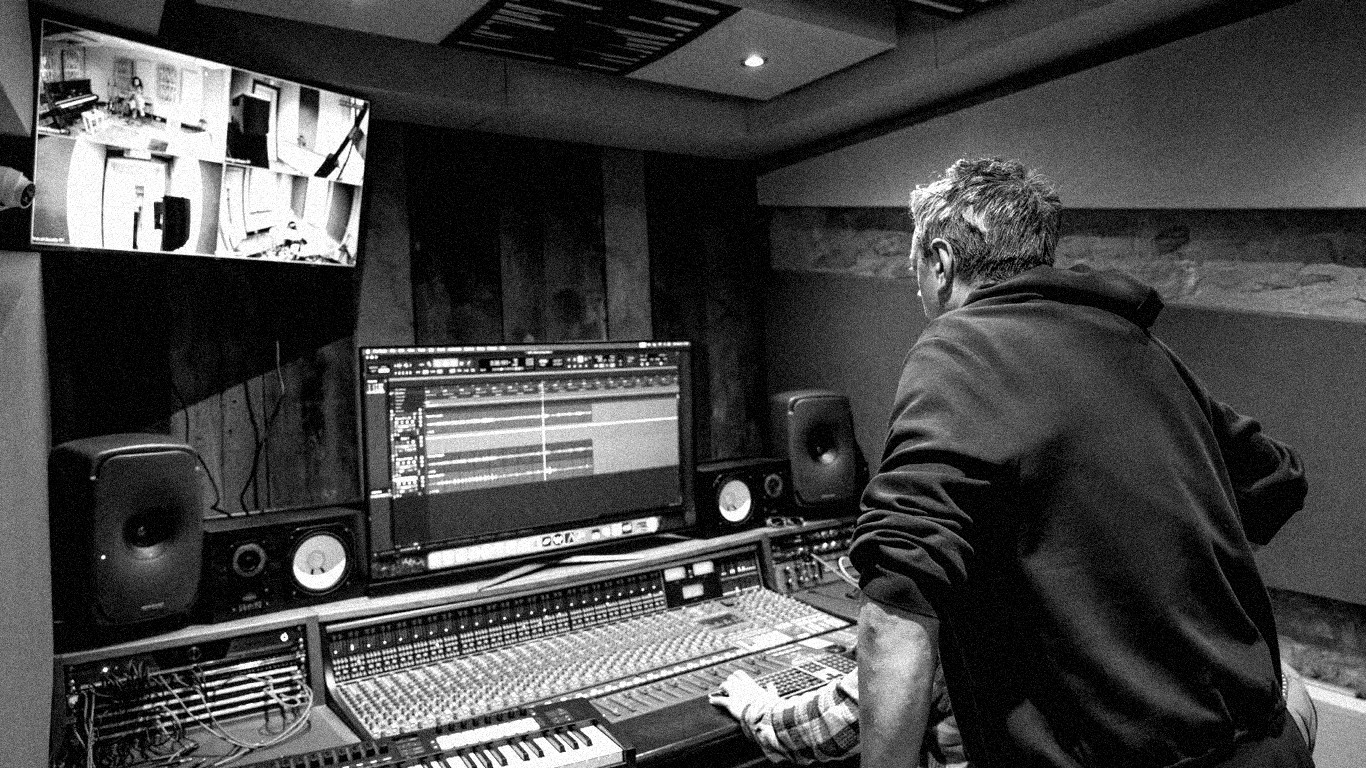
In a professional studio, specialisation is the norm: a recording engineer, a mixing engineer, a mastering engineer, a producer, a session musician. In a bedroom studio, you're all of these people, and developing competence across multiple disciplines is essential.
The most important skill isn't technical — it's taste. Knowing when a mix sounds right, when a beat needs one more element or one fewer, when a vocal take has genuine emotion versus technical perfection. Taste develops through listening critically to great music, studying how it's made, and producing prolifically.
Arrangement is the bedroom producer's most undervalued skill. In a professional studio with a full band, arrangement emerges from the interplay between musicians. In a bedroom, you're building arrangement from scratch — deciding what enters when, what creates tension, what provides release. Study the arrangement of songs you love: when does the bass enter? When does the drum pattern change? How does the energy build?
Common Pitfalls and How to Avoid Them
Over-production is the most common bedroom producer mistake. With unlimited tracks and plugins available, there's a temptation to add more and more layers until the mix is cluttered and the song's emotional core is buried. Practice the discipline of asking 'does this element serve the song?' and removing anything that doesn't.
Comparison paralysis is real. When you can hear professionally produced music alongside your work in the same playlist, the gap can feel discouraging. Remember: professional releases have been through multiple stages of professional refinement. Compare your rough mixes to your previous rough mixes, not to mastered commercial releases.
Isolation is both bedroom production's strength and its weakness. Creating alone gives you total creative control but denies you the collaboration, feedback, and creative friction that push artists to grow. Seek out feedback communities, collaborate remotely, and share works-in-progress with trusted ears to counteract the echo chamber of solo creation.
The Future Belongs to Bedroom Producers
We're entering an era where the distinction between 'bedroom' and 'professional' production is meaningless in terms of output quality. The tools available to home producers in 2025 exceed what major studios had in the 2000s. The ceiling for bedroom production quality is now functionally identical to professional studio quality for most genres.
What this means for music is exhilarating. The next generation of iconic artists — the ones who'll define the sound of the late 2020s and 2030s — are working in bedrooms right now. They're teenagers and twenty-somethings making music that's original, genuine, and unconstrained by the expectations and processes of professional studio culture.
At Noise, this is the revolution we exist to champion. Every bedroom producer making authentic music deserves to be heard, supported, and given fair opportunities to build a career. The tools are democratic; the industry should be too. That's what we're fighting for.