TikTok has reshaped how music is discovered, consumed, and monetised. Here's an honest assessment of what it's done — good, bad, and complicated.
TL;DR
TikTok has democratised music discovery but also created a culture of disposability. It's launched careers, but also pressured artists into content creation that has nothing to do with music. The platform is powerful but needs to be used strategically, not desperately.
How TikTok Changed Music Discovery
Before TikTok, music discovery worked through a relatively established pipeline: radio play, editorial playlists, blog features, and word of mouth. TikTok blew that pipeline apart. A 15-second clip of an unknown song, set to the right visual, can reach millions of people overnight.
The platform has genuinely launched careers. Lil Nas X, PinkPantheress, Ice Spice, and dozens of other artists went from unknown to omnipresent through TikTok virality. For emerging artists without label backing or radio connections, TikTok offered a democratic alternative to the traditional gatekeepers.
The algorithm is the key. Unlike Instagram or X, where reach is heavily influenced by follower count, TikTok's For You Page algorithm can push content from zero-follower accounts to millions of viewers. This means a bedroom artist with no following and no budget can theoretically reach a massive audience with a single video.
The Dark Side: Disposability and Content Pressure
TikTok's impact hasn't been entirely positive. The platform has accelerated a culture of musical disposability. Songs become trends, trends become memes, memes die — all within weeks. An artist can go from zero to 10 million streams in a month, then back to obscurity when the trend moves on.
The pressure to create content is arguably TikTok's most harmful effect on artists. Record labels now routinely require TikTok content creation as part of recording contracts. Artists who signed up to make music find themselves obligated to dance, do comedy skits, and create daily video content to satisfy algorithmic demand.
This content requirement disproportionately affects introverted artists, artists with social anxiety, and artists whose music doesn't naturally lend itself to short-form video. A jazz musician or a classical composer shouldn't need to do a trending dance to get their music heard, but that's increasingly the expectation.
Strategic TikTok Use for Independent Artists
Despite the complications, ignoring TikTok entirely means leaving one of the most powerful discovery tools on the table. The key is using it strategically rather than desperately.
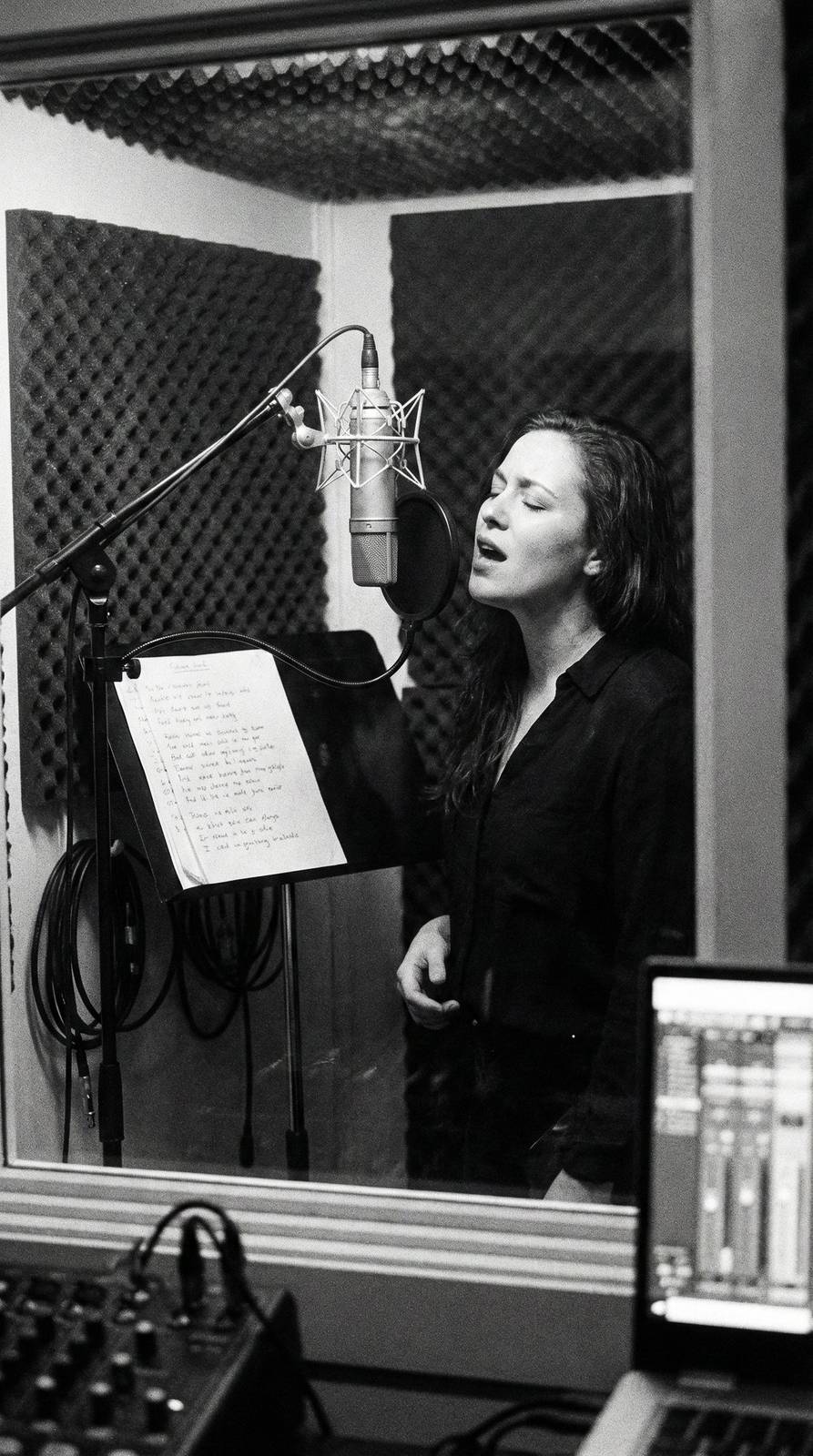
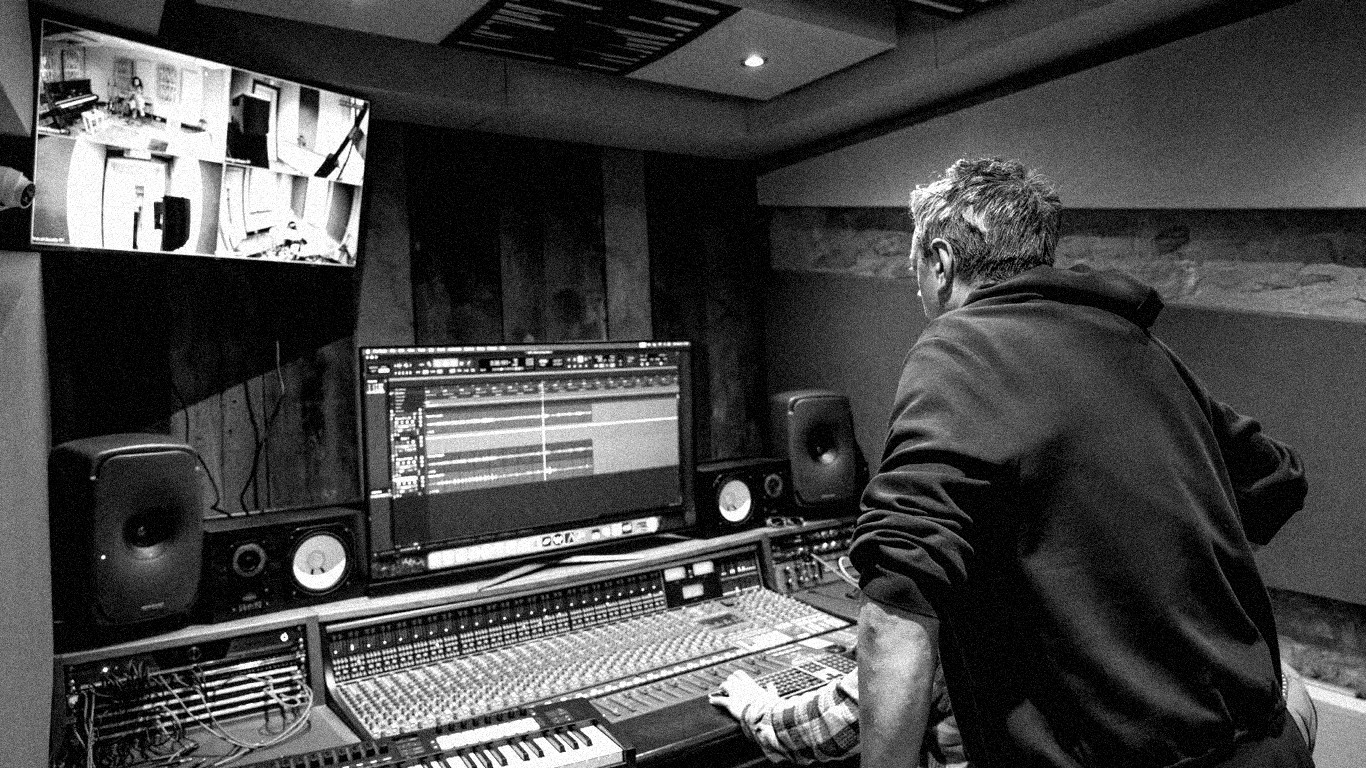
Focus on authenticity over trends. The TikTok content that consistently performs well for musicians is genuine — studio sessions, production breakdowns, the story behind the song, unpolished moments. You don't need to dance. You don't need to follow trends. You need to show who you are and what you create.
Use your music as the soundtrack. Every video you post should feature your music. Not always the same track — rotate through your catalogue. The goal is for viewers to Shazam or tap through to your streaming profile.
Post consistently but don't burn out. Three to five posts per week is sufficient. Batch-create content in dedicated sessions rather than trying to create daily. And remember: TikTok is a tool, not a lifestyle. The time you spend creating TikTok content should not exceed the time you spend making music.
What Comes Next
TikTok's future in the music industry remains uncertain. The platform's relationship with major labels has been rocky — the Universal Music dispute in early 2024 showed how fragile the partnership can be. Regulatory pressure over data privacy and national security adds another layer of uncertainty.
But the broader shift TikTok represents — short-form video as a primary discovery mechanism — isn't going away even if TikTok itself falters. Instagram Reels, YouTube Shorts, and whatever comes next will continue to shape how people discover music.
At Noise, we believe the artists who'll thrive in this landscape are those who treat social platforms as distribution channels for their art, not the art itself. Make great music first. Then find ways to share it that feel authentic to who you are. The platform is the vehicle, not the destination.
Comments
No comments yet. Be the first to share your thoughts.