


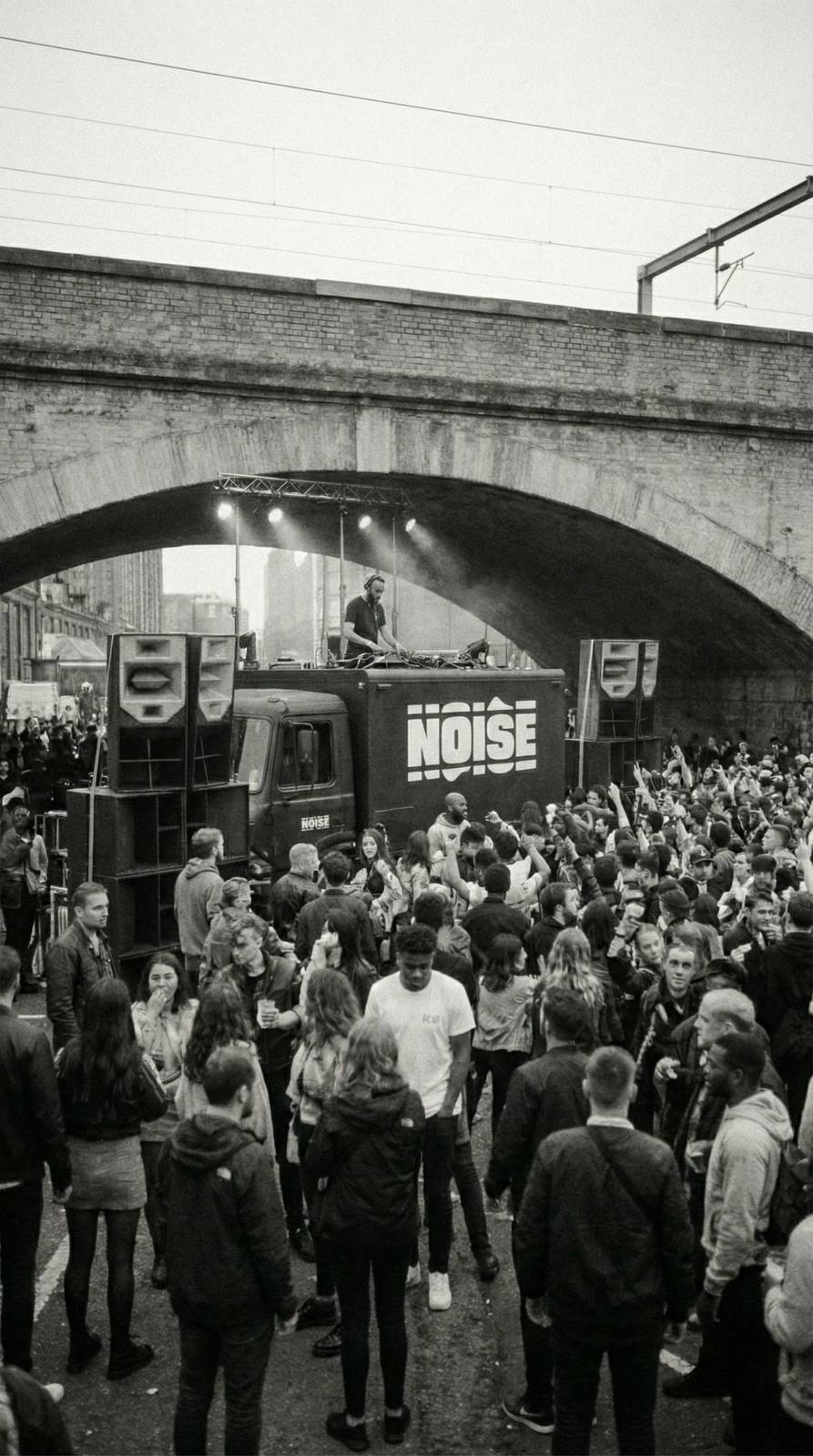
UK drill is one of the most influential genres of the decade. Here's an honest, nuanced guide to the sound, the culture, and the controversy.
TL;DR
UK drill emerged from South London in the mid-2010s, adapting Chicago drill's dark production over UK grime's lyrical tradition. It's spawned global subgenres and topped charts. The genre faces controversy over lyric content and policing, but its musical innovation is undeniable.
What UK Drill Actually Sounds Like
UK drill is built on a foundation of sliding 808 bass, sparse hi-hat patterns, and dark melodic loops — often piano, strings, or flutes. The tempo sits around 140-142 BPM, matching grime's traditional speed, and the flow patterns are distinctive: syncopated, rhythmically complex, and often delivered in a specific cadence that's instantly recognisable.
The production aesthetic is deliberately ominous. Minor keys dominate. The bass slides between notes in a way that creates tension and movement. The drums are programmed with a precision that owes as much to electronic music as to hip-hop. It's music designed to sound urgent and unyielding.
What distinguishes UK drill from its Chicago origins is the flow. UK drill MCs brought grime's lyrical density and rhythmic complexity to drill's production template, creating something that's technically demanding and distinctly British.
The Cultural Context
UK drill emerged from South London's Brixton and Kennington communities in the mid-2010s, with early artists creating music that reflected the realities of their environment. The lyrics often described street life, violence, and the struggle of growing up in under-resourced communities.
The genre exploded commercially with artists achieving mainstream chart success, demonstrating that the audience for drill extended far beyond its origins. The sound has since diversified, with sub-genres including melodic drill, Afro-drill (incorporating Afrobeats elements), and pop-drill crossovers.
UK drill has had a profound global influence. New York drill, Australian drill, and French drill all adapt the UK template, making it one of the most internationally exported UK musical innovations in decades.
The Controversy and the Response
UK drill has faced intense scrutiny from law enforcement, politicians, and media. Lyrics have been used as evidence in criminal trials — a practice that raises fundamental questions about artistic freedom and the line between creative expression and confession.
The Metropolitan Police's removal of drill music videos from YouTube, often without formal legal processes, has been criticised as censorship that disproportionately targets young Black artists. The argument that drill music causes violence conflates correlation with causation and ignores the socioeconomic factors that both the music and the violence emerge from.
At Noise, we believe that artistic expression — including uncomfortable expression — must be protected. The solution to the social issues reflected in drill lyrics isn't censorship; it's addressing the conditions that create those realities. Music is a mirror, not a cause.
UK drill's musical innovation is undeniable. Its cultural impact is profound. And its artists deserve the same creative freedom afforded to every other genre. The conversation around drill should focus on supporting its artists and communities, not silencing them.