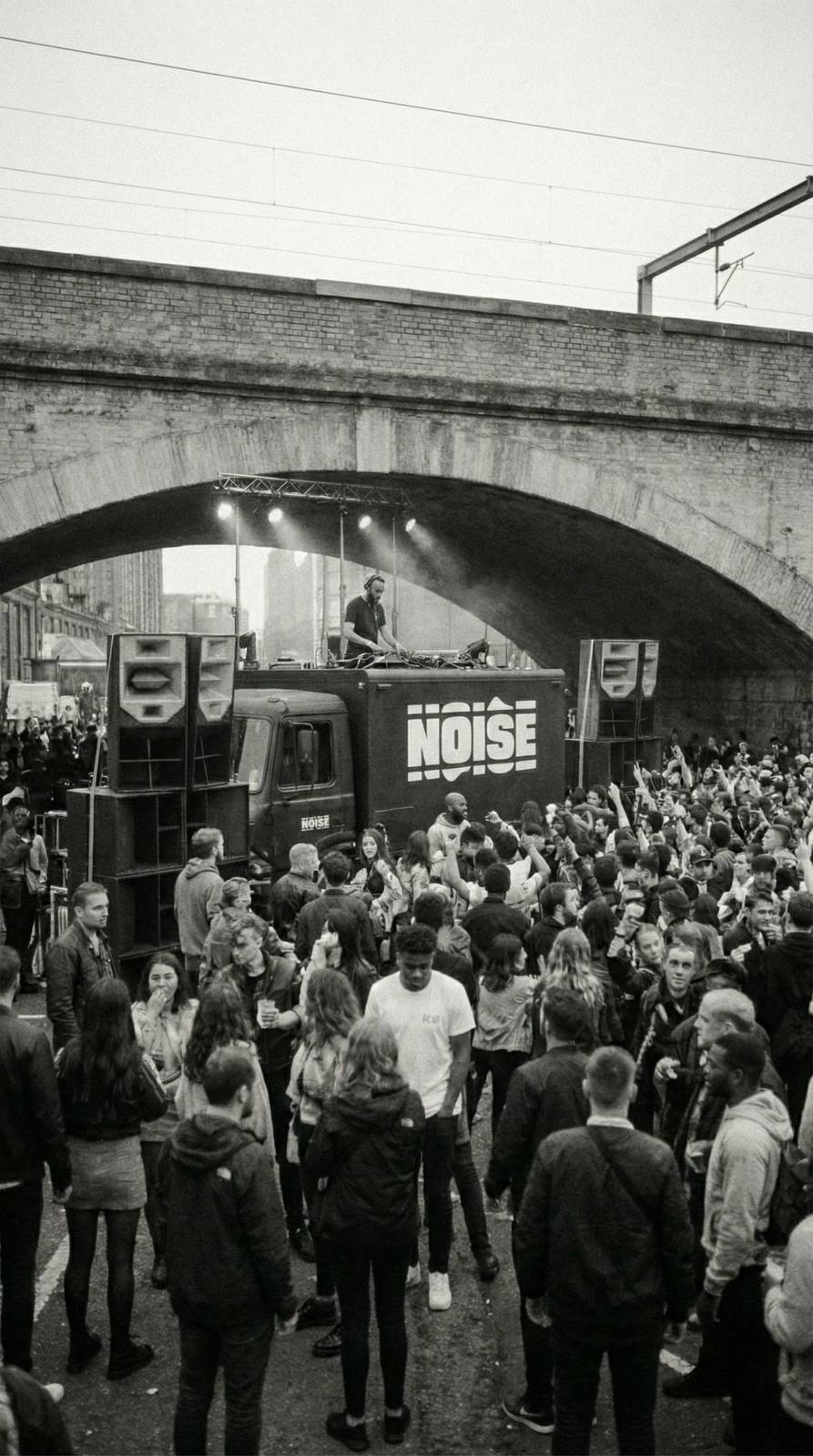
Festival season is approaching and the application windows are opening. Here's your complete guide to getting booked, making the most of festival slots, and avoiding the common mistakes.
TL;DR
Most UK festivals open applications between January and March. Focus on emerging artist stages and new music tents. A strong EPK, realistic expectations, and networking at industry events are your best tools. We list the key festivals with emerging artist programmes.
When and How to Apply to UK Festivals
Festival booking works on a timeline that surprises most emerging artists. The headline acts are booked 6-12 months in advance. Mid-card artists are confirmed 3-6 months out. And emerging artist slots — the ones you're going for — typically have application windows between January and March for summer festivals.
Most festivals now use online application forms rather than accepting direct submissions. Platforms like Music Gateway, Opportunities on Spotify for Artists, and festival-specific application portals are where you'll find open calls. Follow festivals on social media and sign up to their mailing lists — application windows are often announced there first.
Your application needs to be tight. A professional EPK (electronic press kit) with high-quality photos, a concise bio, links to your best tracks, and any press coverage or notable supports. Festivals receive thousands of applications — yours needs to stand out in the first 30 seconds of review.
Festivals With Strong Emerging Artist Programmes
Not all festivals are created equal when it comes to supporting emerging talent. Here are the ones with dedicated programmes worth targeting.
Glastonbury's Emerging Talent Competition is the holy grail — the winner gets a slot on one of the main stages plus a development package. The BBC Introducing stages at major festivals (Reading & Leeds, TRNSMT, Latitude) are another excellent route. Submit your music through BBC Introducing and you'll be considered for festival slots across the network.
Smaller festivals often offer better opportunities for meaningful exposure. The Great Escape in Brighton is specifically designed for new music discovery. Liverpool Sound City, Tramlines in Sheffield, and Dot to Dot across multiple cities all prioritise emerging artists and attract industry professionals actively looking for new signings.
Don't overlook genre-specific festivals either. Boomtown for bass music and reggae, Bluedot for electronic and experimental, ArcTanGent for math rock and post-rock — these attract passionate, dedicated audiences who are more likely to become genuine fans.
Making the Most of Your Festival Slot
Getting booked is only half the battle. A festival slot is a marketing opportunity as much as a performance one. Here's how to maximise it.
Promote like your career depends on it — because it kind of does. Share the lineup announcement, create countdown content, make it easy for your existing fans to find your set time. Tag the festival in everything. Use the official hashtag. Engage with other artists on the bill.
Prepare a festival-specific set. Your usual 45-minute set might need to become a 20-minute greatest hits package that grabs a passing crowd. Front-load your most energetic tracks. Save the deep cuts for headline shows where the audience is already invested.
Network relentlessly but naturally. Festival backstage areas, artist bars, and industry events are where relationships are built. Don't be the person thrusting demos at everyone — be the person having genuine conversations. Collect contacts, follow up within a week, and maintain the connections.
Common Mistakes to Avoid
Don't overspend. Festival slots for emerging artists often don't pay, and sometimes you're even expected to cover your own travel and accommodation. Budget realistically and treat unpaid festival slots as marketing investments, not income opportunities.
Don't ignore the small stages. Playing to 50 engaged people in a tent is infinitely more valuable than playing to 200 people walking past a side stage. Seek out the intimate spaces where you can genuinely connect with an audience.
Don't forget your merch. Festivals are the single best merch-selling opportunity you'll have all year. Bring more than you think you'll need, price it attractively, and have someone running your merch table during and after your set.
And please — don't slag off the festival on social media if the sound is bad, the stage is small, or the crowd is thin. Every festival has eyes on social media, and complaints from emerging artists don't lead to rebookings. Handle issues professionally, give feedback privately, and keep your public presence positive.