
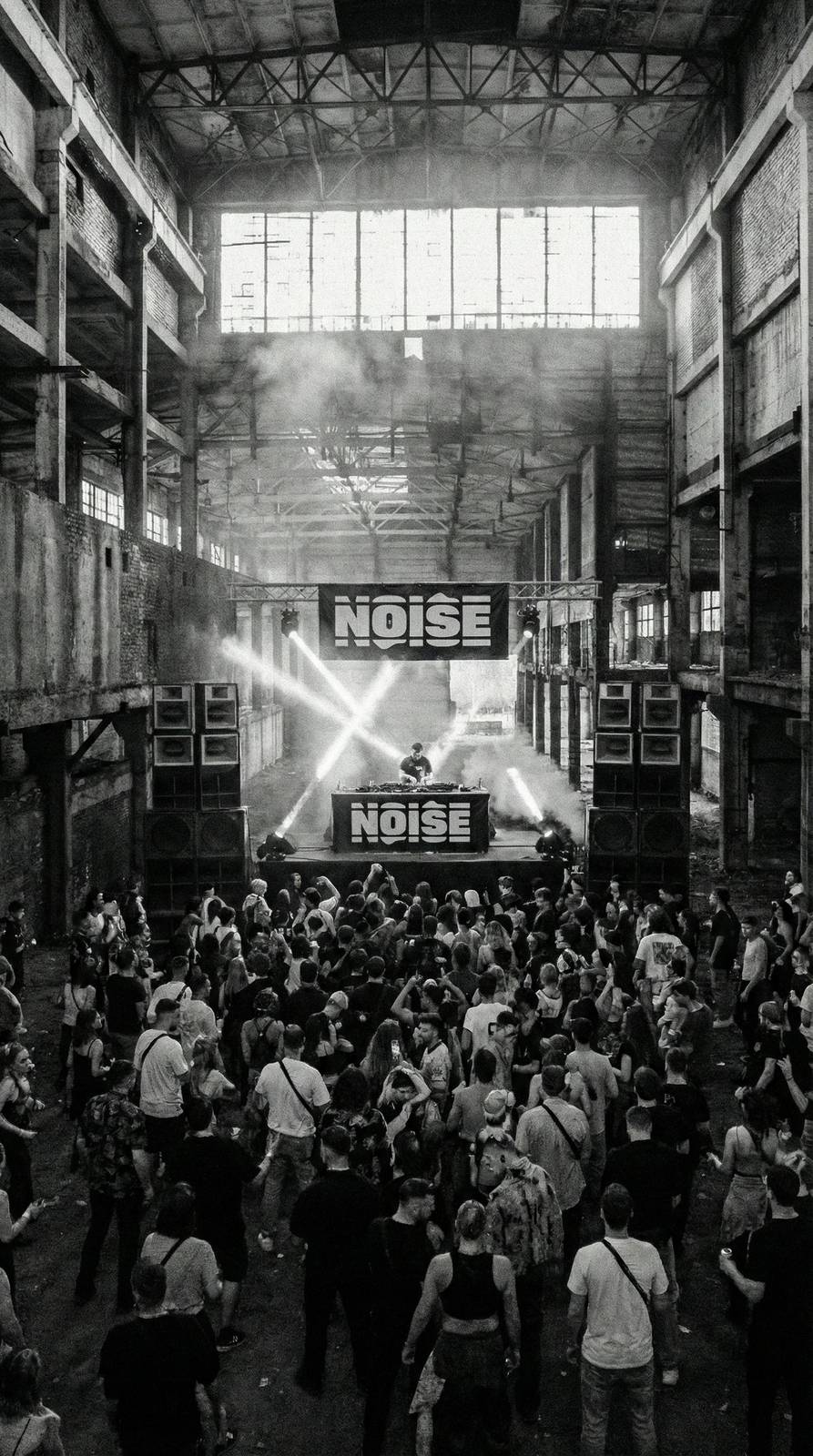

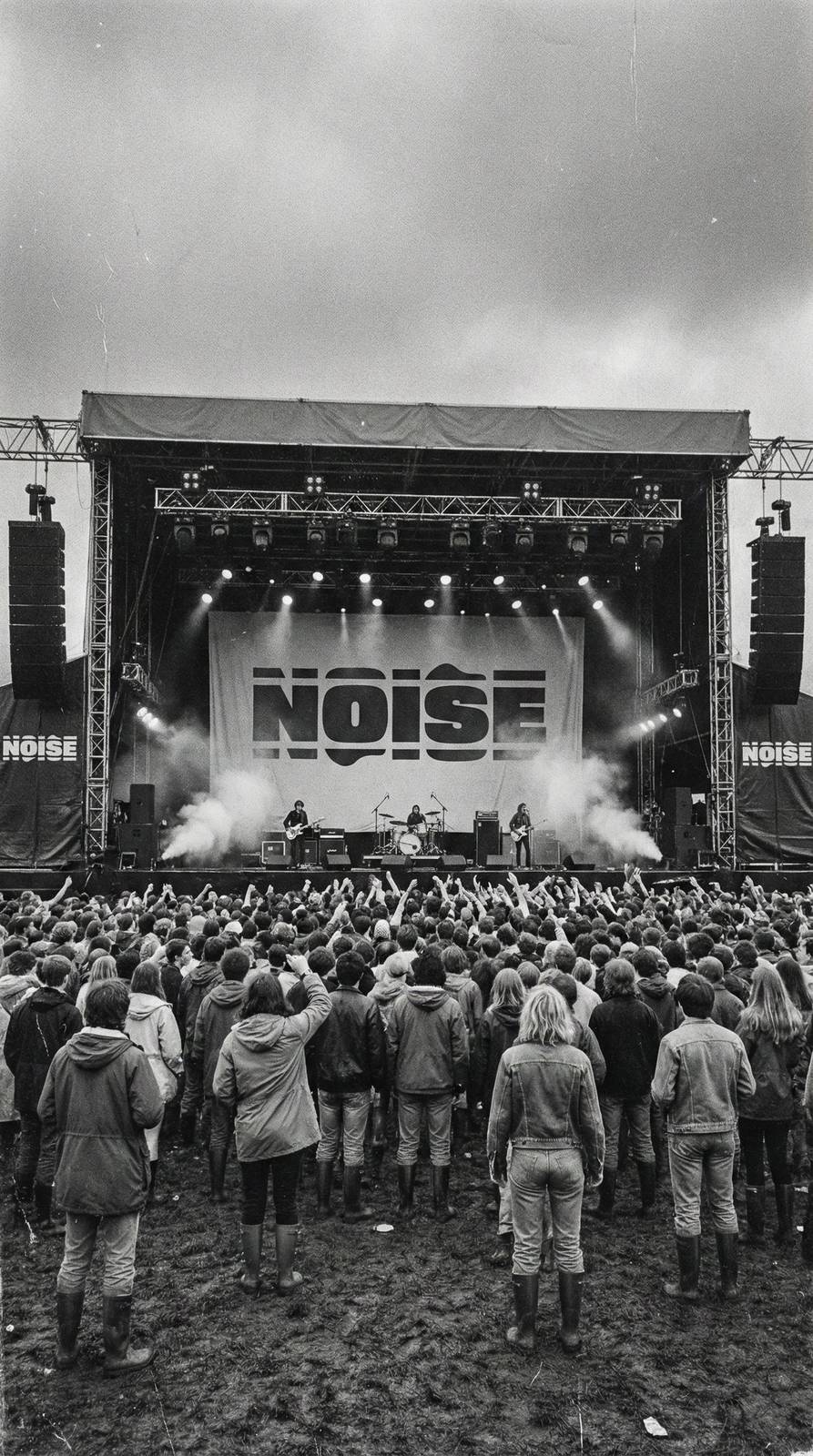
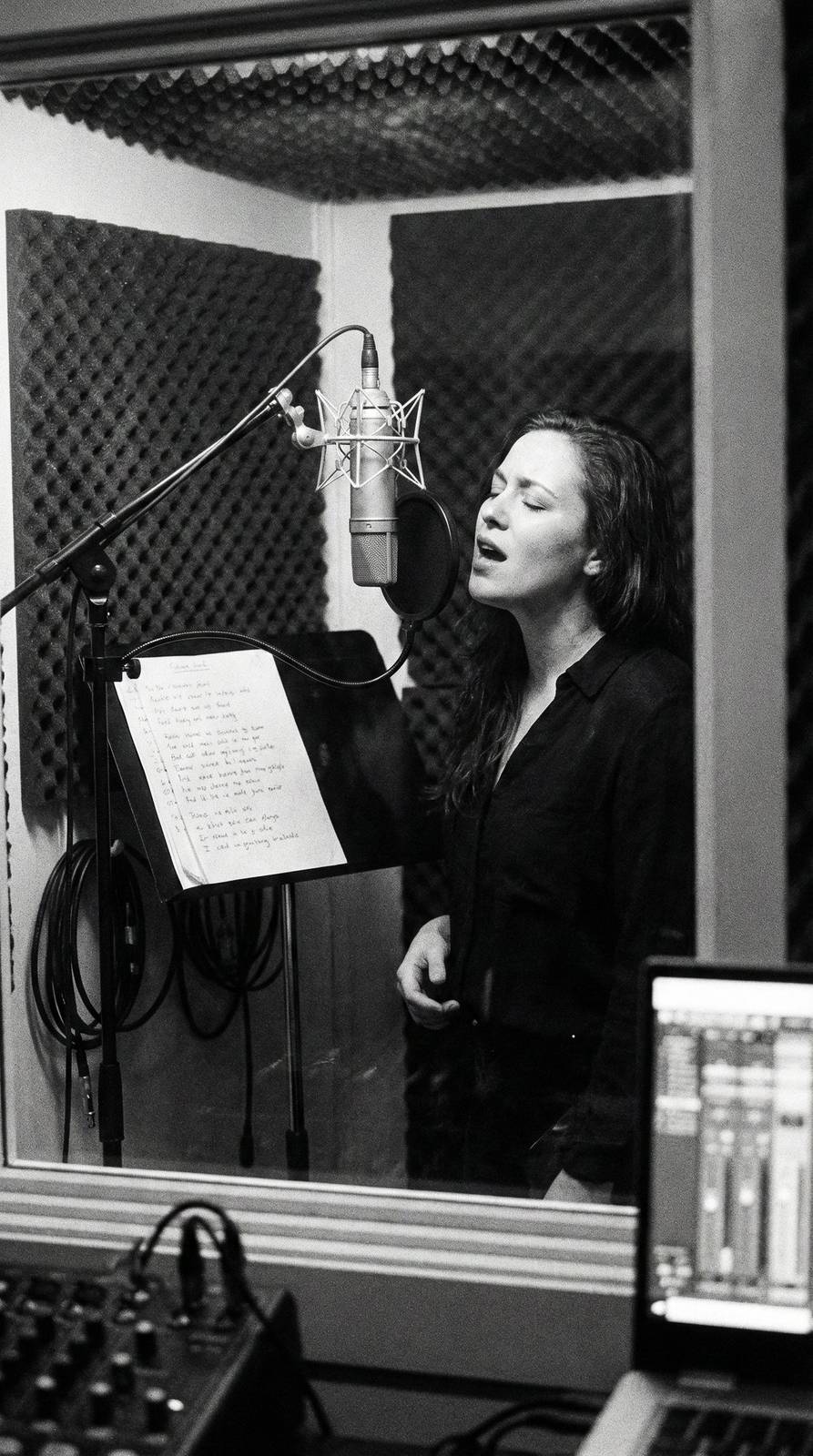

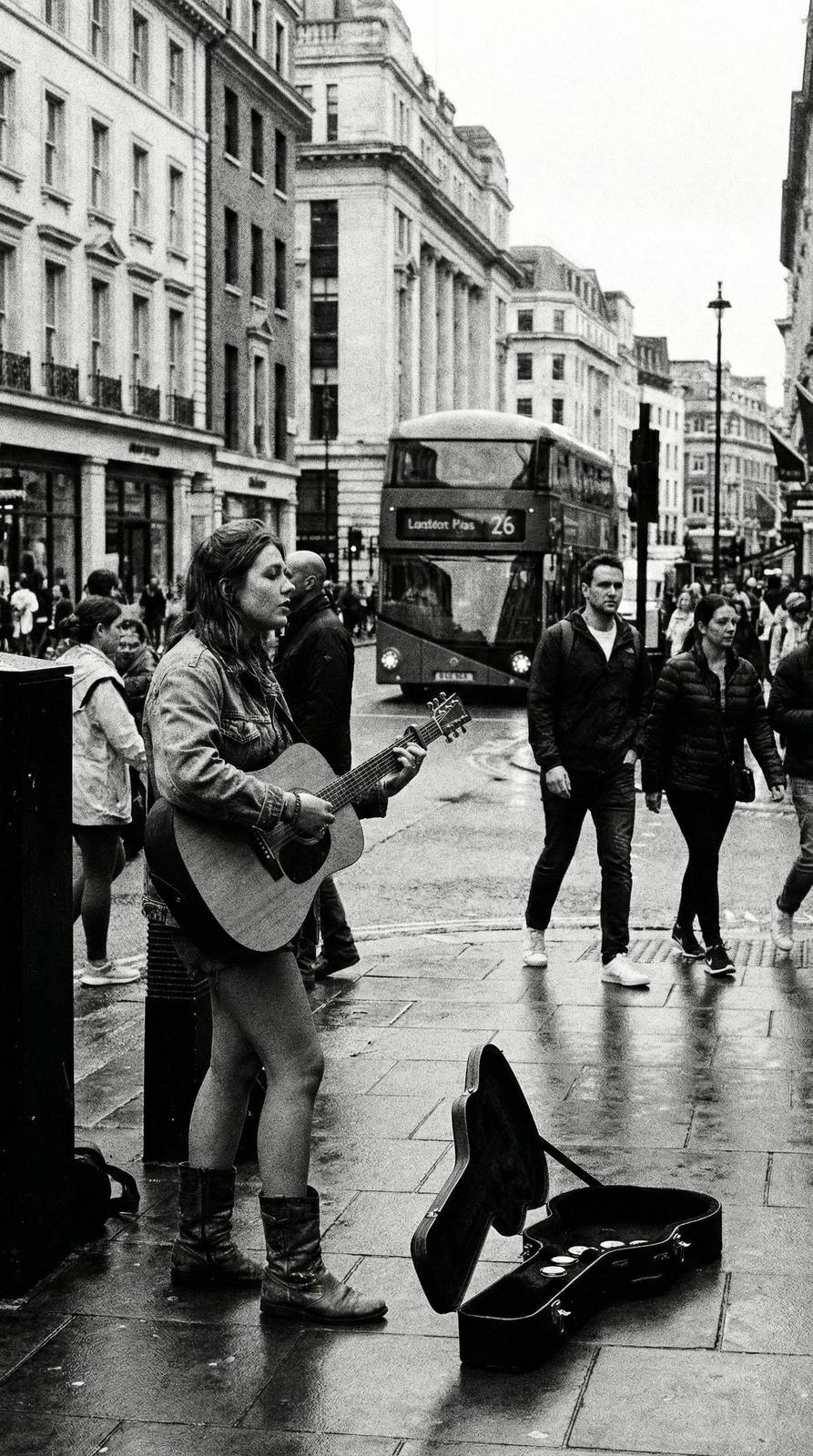
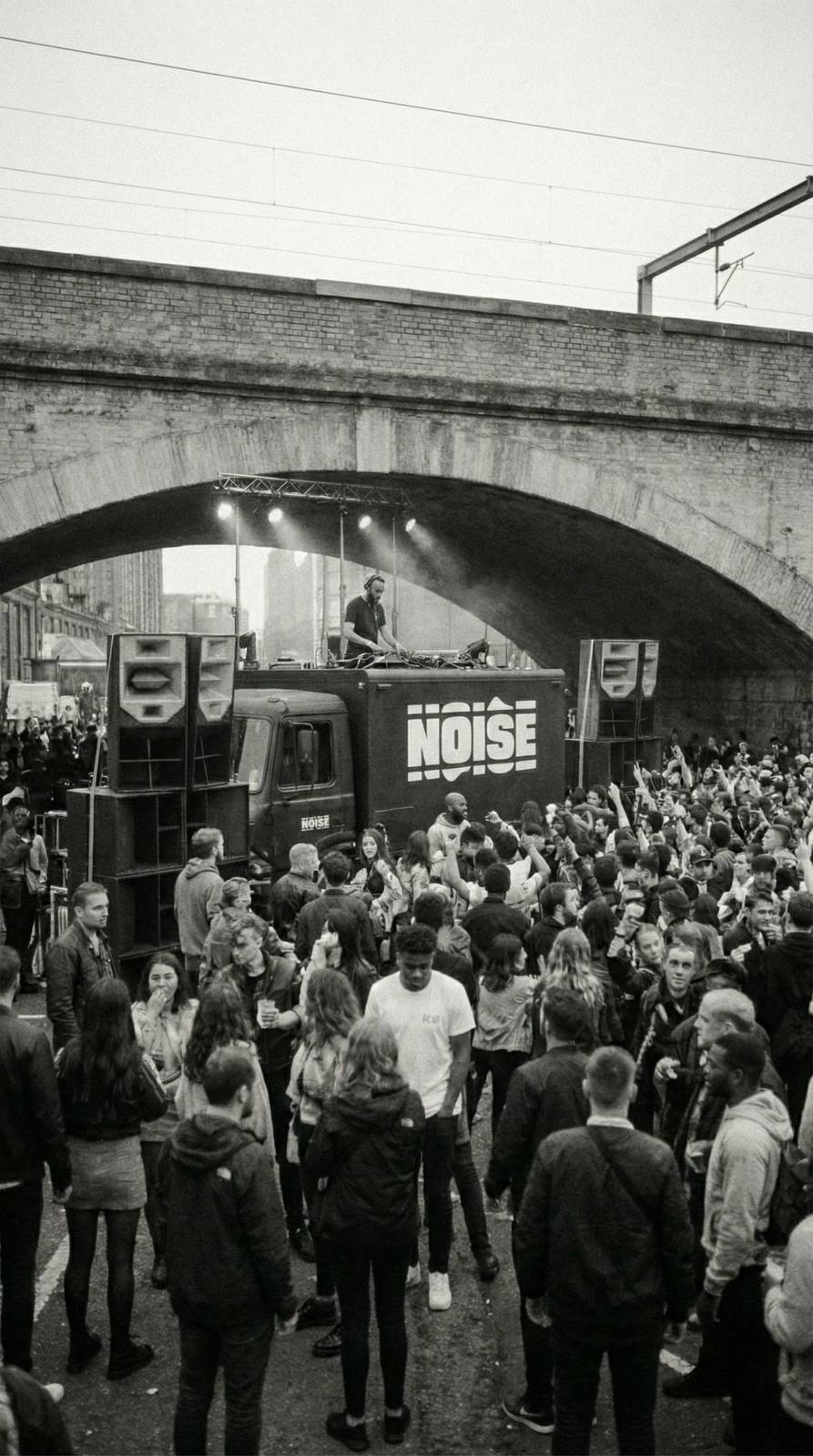
The numbers are devastating. Nearly half of the UK's grassroots music venues have shut their doors since the pandemic. Here's what's happening and what we can do about it.
TL;DR
The Music Venue Trust reports that 40% of UK grassroots music venues have closed since 2020. Rising costs, noise complaints, and property development pressure are the main killers. Government support exists but isn't enough. Community action and artist solidarity are the best weapons.
The Numbers Paint a Devastating Picture
According to the Music Venue Trust's latest data, the UK has lost approximately 40% of its grassroots music venues since 2020. That's not a typo. Four out of every ten venues where emerging artists played their first gigs, where communities gathered, where scenes were born — gone.
London has been hit hardest in absolute numbers, but proportionally it's smaller cities and towns that have suffered most. Places like Swindon, Northampton, and Stoke have lost venues that were irreplaceable parts of their cultural fabric. When a town's only live music venue closes, the entire local scene evaporates with it.
The pandemic was the catalyst, but it wasn't the sole cause. Venues that survived COVID on emergency funding have since been killed by energy costs that tripled, business rates that never adapted to the reality of running a music venue, and property developers circling like vultures.
Why Venues Are Still Closing in 2025
Three forces are driving the ongoing crisis. First, energy costs. A typical grassroots venue uses enormous amounts of electricity — sound systems, lighting, refrigeration, heating — and energy bills have gone from manageable to existential. Venues report energy costs increasing from around £30,000 to over £90,000 annually.
Second, the Agent of Change principle, while enshrined in law since 2018, is inconsistently enforced. New residential developments continue to be built next to existing venues, and the noise complaints that follow create an unbearable regulatory burden. Several iconic venues have closed specifically because of complaints from residents who moved in next door knowing full well there was a music venue there.
Third, property values. Venue buildings in city centres are sitting on land worth millions. When a lease renewal comes up, landlords often prefer to sell to developers rather than renew a music venue lease at rates the venue can afford.
What Support Exists (And Why It's Not Enough)
The Government's Cultural Recovery Fund and subsequent support packages have helped, but they're sticking plasters on a structural wound. The Music Venue Trust's Own Our Venues campaign — which aims to bring key venues into community ownership — is probably the most promising long-term solution, having already secured several venues.
Business rate relief for music venues has been discussed but not implemented in any meaningful way. The current system treats a 200-capacity grassroots venue the same as a high-street retailer, which makes no economic sense. A venue charging £8 entry to 150 people on a Tuesday night simply cannot generate the revenue to cover rates designed for commercial retail.
The Arts Council's funding for live music venues exists but is competitive, bureaucratic, and often favours established institutions over the scrappy grassroots spaces that need it most. The places most at risk are often the least equipped to navigate complex funding applications.
What Artists and Music Fans Can Actually Do
Go to gigs. It sounds simplistic but it's the single most impactful thing you can do. Every ticket bought, every drink purchased at the bar, every piece of merch grabbed on the way out directly funds that venue's survival. The average grassroots venue operates on margins so thin that a busy month versus a quiet month is literally the difference between staying open and closing.
Support the Music Venue Trust. Their #SaveOurVenues campaign and Own Our Venues initiative are doing more for grassroots music infrastructure than any government programme. Even a small regular donation contributes to emergency funding for venues on the brink.
Artists: play the small rooms. We know the economics of grassroots gigs aren't glamorous, but these venues are the pipeline that builds your audience, sharpens your live performance, and creates the community that sustains a career. Every artist who bypasses grassroots venues for streaming-only strategies weakens the infrastructure that makes live music possible.
This isn't just about nostalgia. Without grassroots venues, there's no development pathway for new artists, no testing ground for new scenes, and no cultural spaces for communities. The venues we lose now won't come back. The time to act is now.