


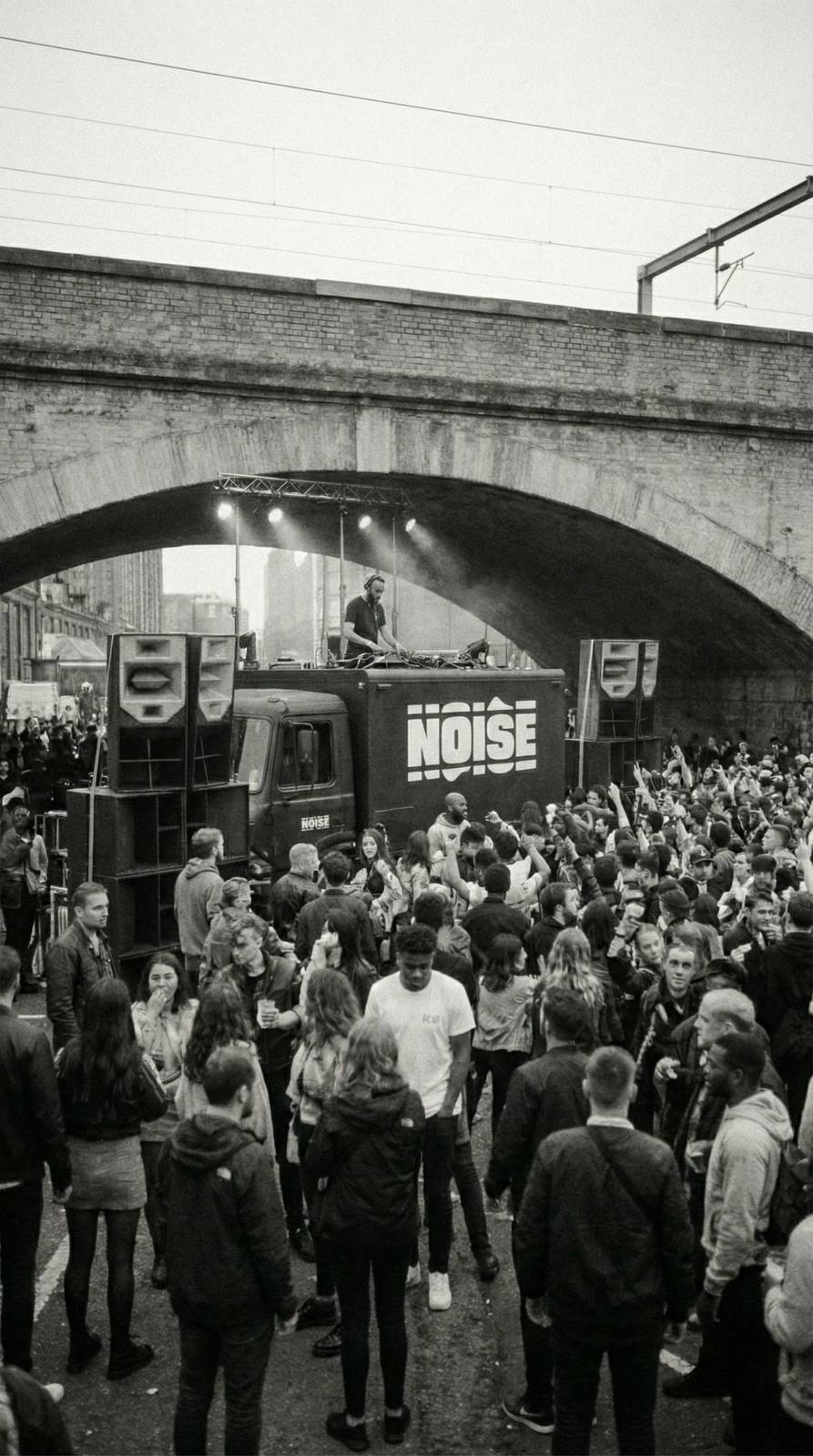
The UK Live Music Scene: Venue Closures, Grassroots Crisis, and What Comes Next
35% of UK grassroots music venues have closed since 2020. Here's what's driving the crisis, who's fighting back, and what artists can do about it.
TL;DR
The UK has lost over 500 grassroots music venues in five years. Rising costs, property development, noise complaints, and inadequate government support are the main drivers. The Music Venue Trust is leading the fightback, but artists need to actively support their local venues too.
The Numbers Are Devastating
The Music Venue Trust's data paints a bleak picture: the UK has lost approximately 35% of its grassroots music venues since 2020. That's over 500 venues — places where artists play their first gigs, where scenes develop, where communities gather around music. Each closure removes a rung from the ladder that emerging artists climb.
The causes are interconnected: pandemic-era closures that never reversed, skyrocketing energy costs, property developers converting venue sites into flats, noise complaints from new residential developments built near existing venues, and business rates that treat a 100-capacity music venue the same as a retail shop on a high street.
London has been hit hardest in absolute numbers, but proportionally, cities like Sheffield, Bristol, Newcastle, and Glasgow have suffered devastating losses. Some towns and cities have lost their only live music venue, creating cultural deserts where emerging artists simply have nowhere to play.
The Agent of Change Principle: A Partial Victory
The Agent of Change principle, enshrined in UK planning law in 2023, says that if a residential development is built near an existing music venue, the developer (not the venue) is responsible for soundproofing. This was a massive advocacy victory led by the Music Venue Trust and prevents the pattern of new flats being built next to venues, followed by noise complaints shutting the venue down.
But Agent of Change is a defensive measure — it protects existing venues from new developments. It doesn't address rising operational costs, business rates, or the broader economic pressures that make running a small music venue financially unsustainable. A venue paying £30,000 per year in business rates while barely breaking even on ticket sales is still in crisis, regardless of noise protection.
Some local authorities have begun exempting grassroots music venues from business rates, recognising their cultural value. But implementation is inconsistent across the country, and many venue operators don't know they can apply for relief. Better communication and standardised support across local authorities is urgently needed.
What the Government Could Do (But Mostly Isn't)
The Music Venue Trust has proposed a levy on arena and stadium ticket sales to fund grassroots venues — a model where the industry's profitable top tier supports the developmental bottom tier. The logic is sound: every artist playing arenas started at a grassroots venue, so the infrastructure that develops talent should be funded by the talent it produces.
Reduced VAT on live music ticket sales is another frequently proposed measure. Live music in the UK is taxed at the standard 20% VAT rate, while in many European countries cultural events benefit from reduced rates. A lower VAT rate would directly improve venue economics and could be the difference between survival and closure for many grassroots spaces.
Planning reform is essential. Music venues should have protected cultural status similar to listed buildings, making it harder for developers to convert them into residential or commercial properties. Some European cities — Berlin notably — have implemented exactly this kind of protection, recognising that cultural infrastructure is as important as physical infrastructure.
What Artists Can Actually Do
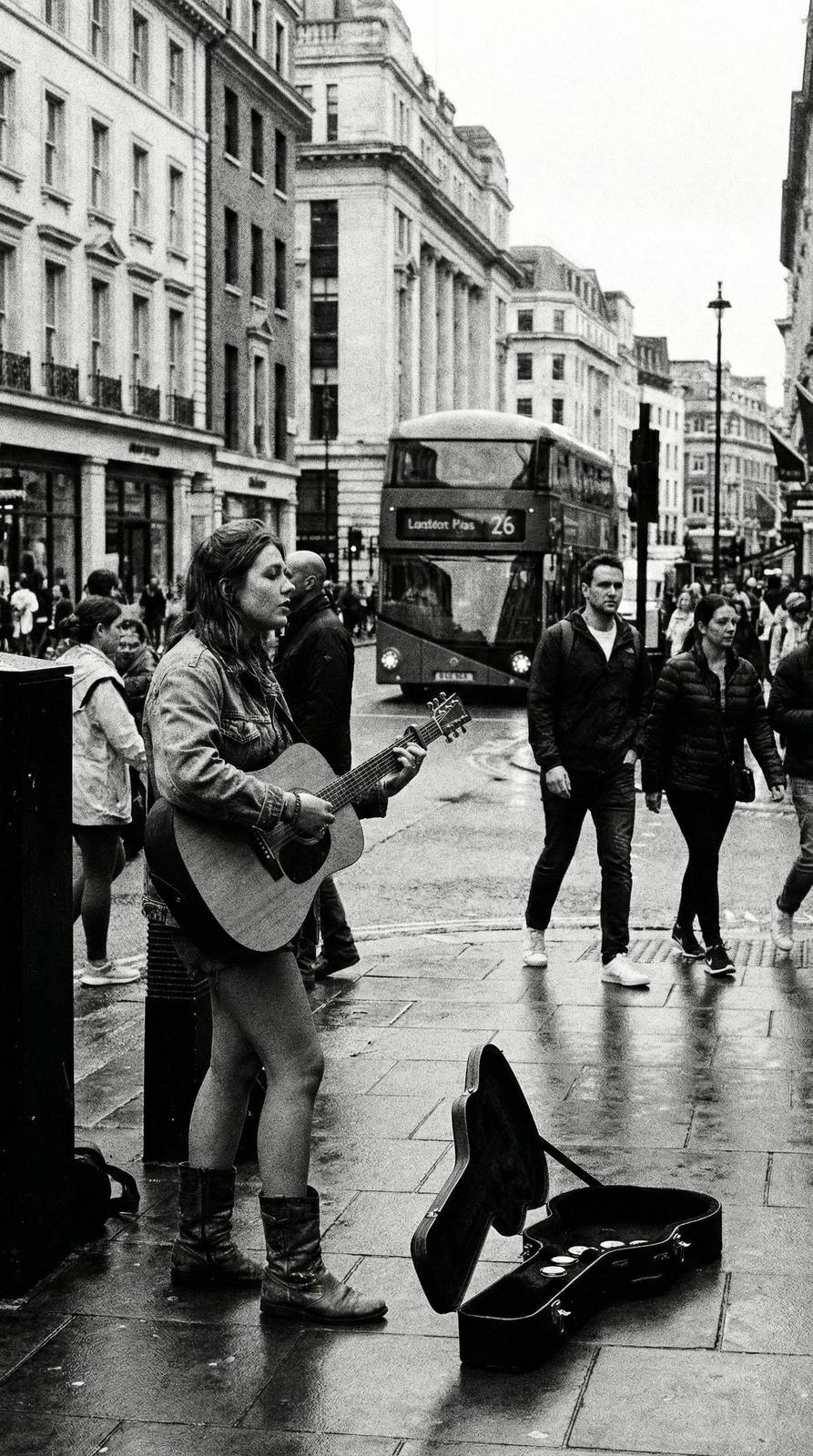
Play your local venue. This sounds obvious but the shift toward online-first music culture means many emerging artists have never played a local gig. Venues need regular bookings to survive, and emerging artists need venues to develop. The relationship is symbiotic and urgent.
Promote your gigs properly. A venue that hosts a show to a half-empty room loses money on staffing, sound, and opportunity cost. When you play a venue, treat promotion as your responsibility — sell tickets, invite friends, create social media content, and fill the room. Venues remember artists who bring audiences and book them again.
Support the Music Venue Trust, either through their membership programme or their campaigns. Attend their events, amplify their messaging, and if your local venue is under threat, get involved in the campaign to save it. Collective action has saved dozens of venues already.
Buy tickets to other artists' gigs at grassroots venues. The simplest way to support the live music ecosystem is to participate in it as an audience member. Every ticket sold sustains the venue, the promoter, the sound engineer, and the other artists on the bill.
Reasons for Cautious Optimism
Despite the grim statistics, there are bright spots. Community-owned venue models are emerging — spaces like Elsewhere in Margate and YES in Manchester have proven that alternative ownership structures can create sustainable, culturally valuable music venues.
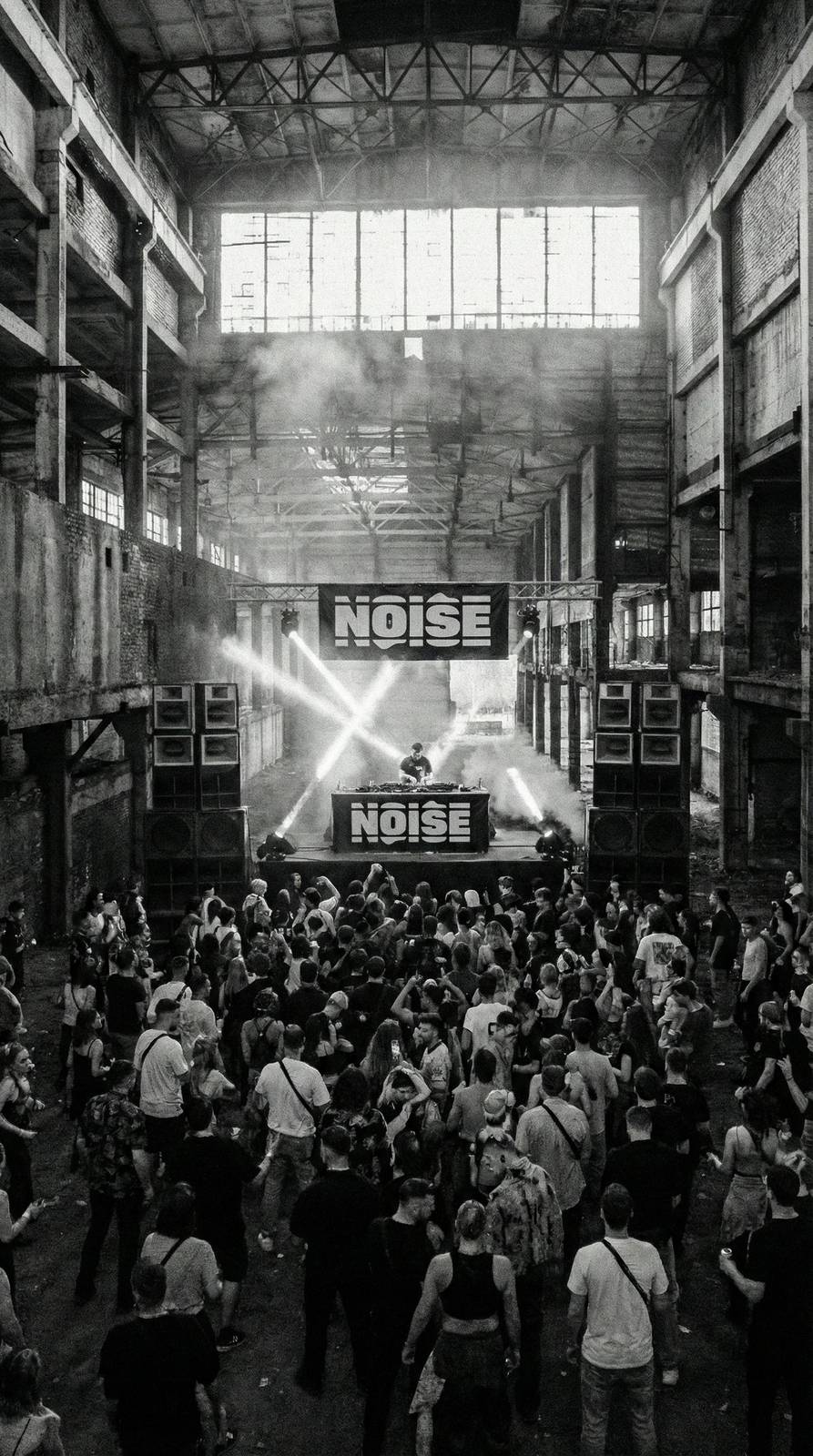
The DIY scene is adapting. House shows, warehouse parties, pop-up venues, and artist-run spaces are filling some of the gaps left by traditional venue closures. These spaces operate outside the conventional venue economy and often foster the most exciting, experimental music scenes.
Public awareness of the grassroots venue crisis has never been higher. The Music Venue Trust's campaigning, backed by high-profile artist support, has shifted the conversation from niche concern to mainstream awareness. Political pressure is building for meaningful reform.
At Noise, we believe live music is irreplaceable. No streaming playlist, no social media post, no recorded track replicates the experience of standing in a room watching an artist pour their soul into a performance. Grassroots venues are where that magic starts, and protecting them is protecting the future of music itself.