

We spoke to A&R reps at indie and major labels about what makes them sign an artist. Spoiler: it's not just the music.
TL;DR
A&R in 2025 evaluates artists on three things: the music (obviously), the audience (engagement over follower count), and the narrative (who you are and why you matter). Building a genuine story and engaged community matters more than viral moments.
The Music Still Comes First — But Differently
Every A&R rep we spoke to emphasised that the music is the foundation. But 'good music' in an A&R context doesn't just mean technical quality — it means distinctiveness. Labels can develop production quality; they can't manufacture a unique artistic perspective.
What they're listening for is a voice — literal or metaphorical — that sounds like nobody else on their roster. A&R teams think in terms of gaps: what's missing from our catalogue, what audience isn't being served, what sound is emerging that we don't have representation in? Your music needs to fill a gap, not duplicate something they already have.
The demo quality expectation has risen dramatically. Twenty years ago, A&R would sign artists based on rough recordings and live shows. Today, bedroom productions need to demonstrate a finished creative vision. This doesn't mean expensive production — lo-fi bedroom pop is its own aesthetic — but it means intentional, realised artistic choices.
Data Matters More Than You Want It To
Modern A&R is as much data analysis as ear-training. Every A&R rep we spoke to mentioned streaming data, social media metrics, and Shazam numbers as early discovery tools. They're looking at Spotify monthly listener trends, save-to-stream ratios, geographic distribution of listeners, and playlist performance.
But — and this is important — they care about trajectory and engagement, not absolute numbers. An artist growing from 500 to 5,000 monthly listeners with 30% save rate is more interesting than one sitting at 50,000 monthly listeners with 2% save rate. Growth signals momentum, and high engagement signals genuine fans rather than passive listeners.
Social media presence matters too, but not in the way you might think. A&R isn't counting followers — they're assessing whether you can communicate with an audience authentically, build a community, and create content that extends your artistic identity beyond just the music. An artist with 3,000 engaged TikTok followers who comments back and shares genuine content is more attractive than one with 100,000 bought followers and no personality.
The Narrative: Why 'Who You Are' Matters
Every A&R person mentioned the importance of artist narrative — the story of who you are, where you come from, and why your music exists. This isn't about fabricating a backstory; it's about having an authentic identity that media, playlist curators, and fans can connect with.
The best artist narratives are specific and genuine. 'I grew up on a council estate in Salford listening to my nan's Motown records and now I make electronic music that samples soul vocals' is infinitely more compelling than 'I make a unique blend of genres influenced by various artists.' Specificity is interesting; generality is forgettable.
A&R teams think about marketability — can they tell your story to press, playlist curators, brand partners, and audiences in a way that creates interest? This doesn't mean you need to be outrageous or controversial. It means you need to be memorable and real. The artists who thrive in 2025 are the ones who know exactly who they are and communicate it clearly.
What Gets You Passed Over Immediately
Sending unsolicited demos to A&R email addresses with 'CHECK OUT MY FIRE MIXTAPE BRO' as the subject line. This still happens constantly and gets deleted instantly. If you're going to cold-email, be professional, concise, and include links rather than attachments.
Inflated or fake metrics are an immediate disqualifier. A&R teams can spot bought followers, botted streams, and artificial engagement in seconds. The data tools available to labels show stream sources, listener behaviour patterns, and engagement authenticity. Fake numbers don't just fail to impress — they actively destroy trust.
Not being ready is the most common reason artists get passed over. A&R might love your song but if you have one release, no live experience, no content strategy, and no understanding of the industry you're entering, you're a risk. Labels increasingly want to sign artists who've done the groundwork and demonstrated they can function as a professional creative business.
Poor live performance will kill label interest faster than almost anything else. Multiple A&R reps told us that live ability is the ultimate test — if you can command a room, everything else is solvable. If you can't, even the best recordings won't save the relationship.
How to Get on A&R Radar Without Being Annoying
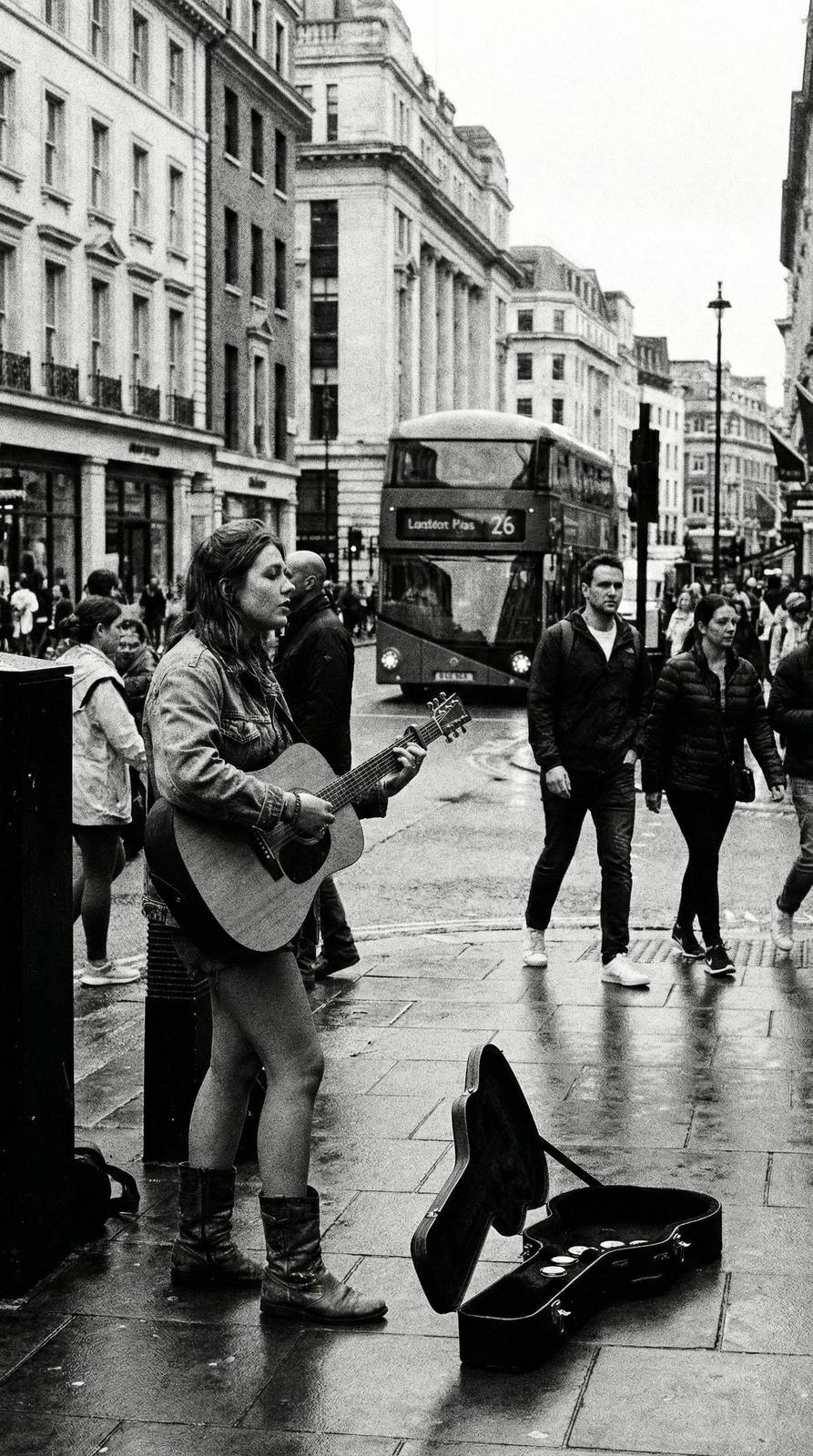
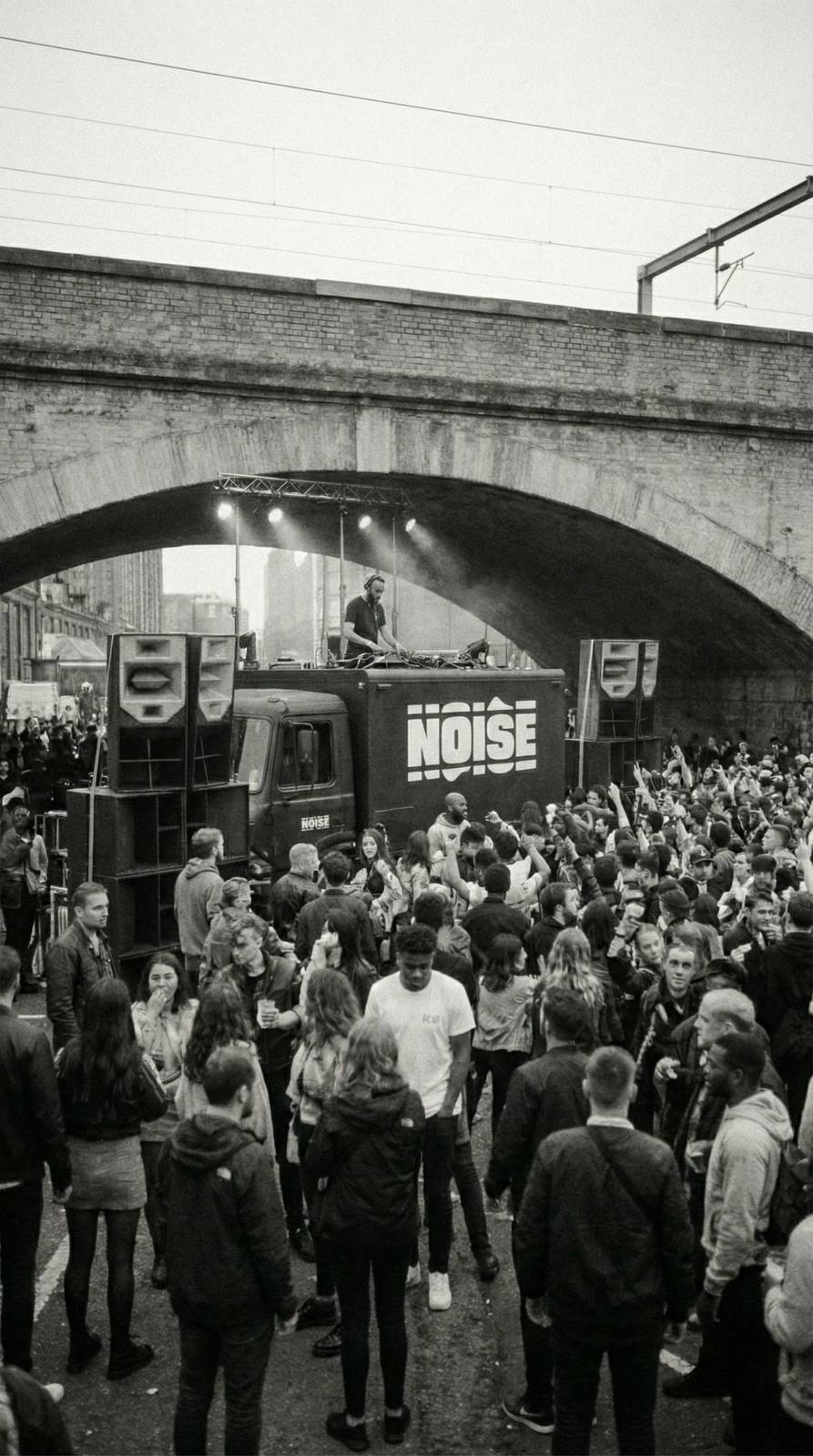
Play live — a lot. A&R reps attend gigs, especially in key cities like London, Manchester, Bristol, Glasgow, and Leeds. The live circuit is still the primary discovery channel for guitar, indie, and band-oriented acts. Get on bills with established acts in your genre and make every show count.
Build relationships with the ecosystem around A&R: managers, booking agents, PR people, and playlist curators. A&R trusts recommendations from people they already know. A warm introduction through a respected manager or booker carries infinitely more weight than a cold email.
Create undeniable content. A TikTok video that organically reaches hundreds of thousands of people, a live session video that gets shared by tastemakers, a release that generates genuine blog coverage — these are the signals that put you on radar. The key word is 'organic.' Paid promotion to inflate metrics is transparent and counterproductive.
Be patient and be consistent. The artists who get signed aren't usually the ones who have one lucky break — they're the ones who've been consistently releasing quality music, building an audience, and improving their craft over months or years. A&R follows artists they're interested in for a long time before making moves.